(PatriotNews.net) – Supreme Court oral arguments expose how states like Mississippi undermine federal Election Day laws by counting late mail-in ballots, potentially inviting fraud and eroding voter confidence in a time when Americans demand election integrity amid endless foreign wars.
Story Highlights
- Supreme Court heard arguments on March 23, 2026, challenging Mississippi’s five-day post-Election Day ballot counting for mail-ins postmarked on time.
- Libertarian Party and Republican National Committee unite with Judicial Watch to enforce Congress’s uniform national Election Day.
- Prior 7-2 ruling in Bost v. Illinois affirmed candidates’ standing to fight vote-counting abuses before elections.
- Plaintiffs argue late ballots create uncertainty and fraud risks, lacking historical precedent.
- A favorable ruling could standardize elections nationwide, protecting conservative values of fair play and limited government overreach.
Case Challenges State Ballot Extensions
The Supreme Court consolidated cases from the Libertarian Party of Mississippi and the Republican National Committee against Mississippi Republican Party challengers. These plaintiffs target Mississippi’s policy of accepting mail-in ballots up to five business days after Election Day if postmarked by Election Day. Former Solicitor General Paul Clement argued for plaintiffs on March 23, 2026. The Fifth Circuit previously ruled this practice unlawful under federal law. Judicial Watch leads the effort, filing suits in Illinois, California, and Mississippi to uphold Congress’s Election Day statutes.
Federal Law Versus State Practices
Congress established a uniform national Election Day through statutes under the Elections and Electors Clauses. Judicial Watch contends the term “election” historically includes ballot receipt by officials, making post-Election Day counting a modern invention without foundation. States like Illinois allow 14 days for late ballots, creating a patchwork that plaintiffs say defies federal intent. This conflict pits federal authority against state administration, with broad implications for mail-in voting integrity.
Key Precedent from Bost Ruling
In January 2026, the Supreme Court ruled 7-2 in Bost v. Illinois State Board of Elections that candidates have standing to challenge vote-counting rules pre-election. Chief Justice John Roberts wrote that deviations from law harm candidates and delay disputes risk chaos, citing Bush v. Gore. This overturned lower courts, enabling proactive integrity suits. The decision built on 2006 precedent against last-minute changes, signaling Court concern over prolonged counting.
Stakeholders Push for Uniform Standards
Judicial Watch President Tom Fitton declared federal law demands one Election Day, warning late ballots breed uncertainty, fraud risks, and eroded trust. Mississippi Secretary of State Michael Watson defends the state’s procedures. The bipartisan plaintiff coalition shows election concerns transcend parties, aligning with conservative priorities for secure votes. Live arguments streamed on the Supreme Court website, heightening public scrutiny.
Potential Nationwide Election Reforms
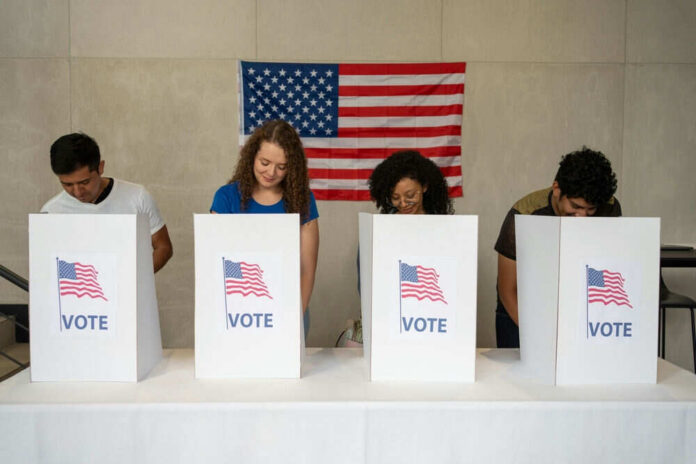
A plaintiff victory would nix Mississippi’s extension and pressure states like Illinois, mandating Election Day receipt for counting. Election officials face procedure overhauls and voter education shifts. Mail-in voters encounter tighter deadlines, while integrity advocates gain stronger federal standards. Long-term, it could end state patchwork, standardizing rules and curbing abuses seen in past cycles. Ongoing suits in California and Oregon hang in balance.
Dissenting Views on Federal Overreach
Justice Ketanji Brown Jackson dissented in Bost, claiming the standing rule invites excessive litigation. Justice Amy Coney Barrett questioned special rules for candidates. Defenders stress state sovereignty in elections. Yet plaintiffs’ federalism argument prioritizes Congress’s uniform standards, resonating with conservatives wary of government laxity that fueled past disputes and distrust.
Sources:
Judicial Watch official announcement: Provides the plaintiff’s legal arguments and case details
SCOTUSblog: Offers comprehensive legal analysis of the Bost decision and its implications
Copyright 2026, PatriotNews.net