
China is cheering a fragile U.S.-Iran deal that could reshape Middle East power—and put Beijing closer to America’s enemies.
Story Snapshot
- China says it “welcomes” the U.S.-Iran deal and openly praises Pakistan for mediating talks.
- Beijing is using calls for “peace” to grow influence over Iran and the vital Strait of Hormuz.[5]
- Massive China-Iran economic and security ties mean Beijing benefits from almost any U.S.-Iran outcome.[6][8]
- Confusion over the deal’s terms and timing shows the agreement is fragile and politically risky.[7]
China’s Public Welcome Masks Hard-Nosed Strategy
Chinese state media and diplomats have moved fast to praise the reported U.S.-Iran agreement and the ceasefire that led up to it.[3][7] Beijing says it supports an end to fighting and backs a political solution, while also highlighting that it made its own “efforts” to halt the war.[3] Chinese coverage frames the deal as a win for peace and a step toward reopening the Strait of Hormuz, a key route for global oil and gas shipping.[7] These statements sound calm and moderate. But they also position China as a responsible “peacemaker” in a crisis that Washington and its allies paid for in blood and treasure.
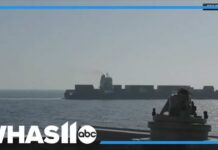
Reports say President Donald Trump credited China with helping push Iran toward a ceasefire, while Chinese Foreign Minister Wang Yi held dozens of calls and sent a special envoy to the region when the war broke out.[5] China buys almost all of Iran’s sanctioned oil, and more than half of China’s total energy supply passes through the Strait of Hormuz.[5] That gives Beijing a direct interest in any deal that reopens the strait and lifts pressure on Iran. By talking about peace, China protects its tankers, cements its image as a power broker, and gains leverage over both Tehran and Washington at the same time.
Pakistan’s Mediation Gives Beijing Another Opening
Chinese officials have gone out of their way to praise Pakistan’s “proactive role” and “mediation” between the United States and Iran.[8] Pakistan’s army chief and civilian leaders have met Chinese officials in Beijing while pushing for a U.S.-Iran understanding, and Pakistan’s government has talked about hosting parts of the peace process. Beijing now says its joint efforts with Pakistan are meant to create a “window” for Middle East talks and broader de-escalation. This fits a clear pattern. China leans on friendly states like Pakistan to move between Washington and its rivals, while Beijing stays in the background collecting diplomatic credit and avoiding major costs.
For American readers, this matters for two reasons. First, Pakistan is a nuclear-armed country with long-standing ties to China and a mixed record on terrorism and U.S. interests. Second, the more the world sees Pakistan and China as the go-between for U.S.-Iran talks, the more Beijing can claim a seat at the table in every future Gulf crisis. Conservative critics have long warned that “globalist” deals can boost rivals who do not share U.S. values. This is a textbook case: American-led pressure helped push Iran to talk, but China and Pakistan are now selling themselves as the responsible adults in the room.
Deep China‑Iran Ties Mean Beijing Wins Either Way
Even before this war and the new deal, China and Iran were building a long-term partnership. In 2021 they signed a 25‑year cooperation agreement that could bring $300–$400 billion in Chinese investment into Iran’s energy and infrastructure sectors.[6][8] In exchange, China gets heavily discounted Iranian oil and gas for years to come.[6] The agreement also opens the door to joint military exercises, intelligence sharing, and Chinese security personnel on the ground in Iran to protect projects and energy routes.[6] That is not a neutral peace broker. That is a strategic partner quietly tying Iran into China’s economic and security orbit while the United States tries to contain Tehran.
Research from Chatham House notes that China does not want to replace the United States as the main military power in the region, but it does want a bigger say in the new regional order that emerges after the war.[2] Gulf states are now diversifying their security ties and hedging between Washington and Beijing, even as the United States stays the main security provider.[2] Every time China steps in with “diplomacy” or investment around a U.S.-Iran crisis, it reinforces that trend. Beijing ends up with more trade, more oil, more influence over sea lanes, and more political capital in Arab capitals—all while U.S. taxpayers still carry much of the defense burden.
Confusion Over the Deal Shows How Fragile It Is
Coverage of the U.S.-Iran agreement has been messy from the start. Chinese state media described a “peace deal,” reported that the document text was finalized, and said an official signing would take place on a set date.[7] At the same time, other outlets and officials pointed out that key details were still in dispute, including timing and some terms related to the Strait of Hormuz. Neutral analysts say this is common in crisis diplomacy: early reports mix leaks, speeches, and partial texts before anything is fully verified.[7] That means Americans should be cautious about celebrating a permanent fix.
Prime Minister @CMShehbaz announced to the national parliament on Monday that #Pakistan will host the official signing ceremony for the "historic" #US–#Iran peace deal in #Geneva on June 19th. "This isn't an agreement between two nations, but rather a testament to the triumph of… pic.twitter.com/SATLK49Fko
— Ayaz Gul (@AyazGul64) June 15, 2026
For conservatives, the deeper concern is what this kind of rushed and murky deal can do to U.S. leverage and long-term security. If the agreement unblocks oil flows and relaxes pressure on Iran without locking in tough limits on its nuclear and missile programs, Tehran gets breathing room while China locks in cheap energy and bigger sway in the Gulf. At the same time, Beijing can present itself as the calm peacemaker whenever Washington changes course. That should worry anyone who cares about American strength, stable energy prices at home, and a foreign policy that serves U.S. workers and families before it props up rival powers.
Sources:
[2] Web – China-Iran Deal: What Partnership Could Mean for the U.S. – TIME
[3] YouTube – China’s role in U.S.-Iran ceasefire and potential peace deal
[5] Web – Live updates: US, Iran confirm peace deal, official signing on June 19
[6] YouTube – Trump turns 80 | 9-year-old Australian girl fatally shot in Pakistan
[7] YouTube – Iran-China SHOCKING NUKE DEAL! China ENTERS Iran War! Xi …
[8] Web – China-Iran Fact Sheet: A Short Primer on the Relationship | U.S.
© patriotnews.net 2026. All rights reserved.