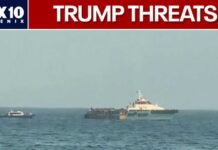

A fragile U.S.–Iran deal promises to reopen the Strait of Hormuz, but key terms still wait for a signed finish line.
Story Snapshot
- Iran and the United States announced an initial agreement to halt fighting and reopen Hormuz [1].
- Iranian officials said real implementation starts only after a formal signing expected this week [1].
- Reports say the plan extends a ceasefire and restores safe, open tanker passage [2][3].
- Markets and families need clarity fast: is this peace durable, or another pause? [3].
What The Announced Deal Actually Says
Iran’s deputy foreign minister said Iran and the United States reached an initial agreement to end the war and open the Strait of Hormuz. He added that implementation begins after a formal signing, expected Friday. That means shipping will not be fully normal until the signatures are in place and orders flow to ships and commanders. The language points to a pathway to peace, but not a final, executed deal yet. Careful verification is still needed [1].
U.S. coverage and policy analysts described the terms as reopening the strait for safe, immediate tanker passage, tied to a ceasefire extension. Those briefings echoed the message that Hormuz must be completely and safely open to restore energy flows. The reports track with the administration’s push to remove the war premium from oil by lifting maritime risks. But phrasing across outlets still framed this as a developing agreement, not a done directive at sea yet [2][3].
Why Hormuz Matters For Your Wallet
The Strait of Hormuz carries a large share of the world’s oil and fuels. When traffic slows, prices jump. Families feel it at the pump and in higher costs for goods. A true reopening should ease pressure on fuel prices and lower shipping insurance rates. Truckers, farmers, and small shops could see relief. If the signing slips or rules are murky, shippers may wait. That delay would keep prices sticky and strain family budgets a while longer [3].
Energy markets move on signals first and facts later. Announcements can spark rallies or dips before tankers actually sail. Clear rules of passage, a verified ceasefire line, and joint deconfliction hotlines are the test. If these steps appear quickly after signing, the reopening will likely stick. If mixed messages or fresh skirmishes surface, insurers will hold back. That uncertainty would keep a risk premium on oil that hurts working Americans most [3].
The Risks: Paper Peace Versus Real-World Compliance
The Iranian statement called the deal “initial” and tied action to a scheduled signing. That caveat is important. Coastal patrols, minesweeping, and boarding rules must match the words. Captains need clear guidance on lanes, escorts, and checks. One wrong move in a tight waterway can spiral into a fight. Durable peace needs discipline on both sides and fast communication when ships get close. Until that system stands up, caution is warranted [1].
US and Iran reach deal to end war and reopen Strait of Hormuz
#US #Iran #StraitOfHormuz #BreakingNews #MiddleEast #OilPrices #GlobalMarkets #Ceasefire #PeaceDeal #EnergySecurity #WorldNewshttps://t.co/02xbSBrK5f— Eastern Eye (@EasternEye) June 15, 2026
For conservatives, the measure of success is simple: free navigation, no tribute, and no harassment of lawful ships. The United States must insist on complete, safe, and immediate passage, with quick consequences for violations. Congress and the public should demand transparency on the rules and timelines. Families cannot plan budgets on vague talking points. They need proof at the pump and steady shelves. That happens only when words become orders and orders become action at sea [3].
What To Watch Next
Watch for the formal signing date and any release of the text. Look for notices to mariners, insurer updates, and satellite tracking that shows tankers moving at scale. Check for joint or parallel statements from Oman and regional partners who help manage the lanes. Monitor whether the ceasefire holds near the chokepoint. These signals will confirm if the deal is real, not just hype. If they line up, relief should reach American families soon after [1][3].
Sources:
[1] YouTube – Iran and US agree to halt war and reopen Hormuz
[2] YouTube – Iran’s deputy FM confirms deal with US to end the war …
[3] YouTube – US and Iranian negotiators reach deal to re-open strait of …
© patriotnews.net 2026. All rights reserved.