
(PatriotNews.net) – Trump’s five-day pause on striking Iran’s energy grid has conservatives asking a hard question: is this diplomacy that ends a costly war—or another open-ended entanglement with no clear finish line?
Quick Take
- President Trump delayed planned strikes on Iran’s power plants and energy infrastructure for five days, saying talks were “productive” and the pause depends on success.
- The pause follows Trump’s 48-hour ultimatum tied to reopening the Strait of Hormuz, a flashpoint with major consequences for oil prices and global shipping.
- Iran’s state media publicly denied any conversations, leaving Americans with no independently confirmed picture of what “talks” actually occurred.
- Israel continued military action the same day as the U.S. pause, underscoring how allied timelines can diverge even in a joint conflict.
What Trump Ordered—and What’s on the Clock
President Donald Trump announced on March 23, 2026, that he ordered a five-day postponement of U.S. strikes targeting Iranian power plants and broader energy infrastructure. Trump said the decision followed “very good and productive” conversations over the prior two days and that the pause is conditional on those discussions delivering results. The policy shift landed less than 48 hours after Trump threatened to “hit and obliterate” Iranian power facilities.
National security-wise, the move temporarily reduces immediate escalation risks while keeping military pressure in reserve. Politically, it spotlights an internal tension many Trump voters feel in 2026: they support strength and deterrence, but they also remember years of foreign interventions that bled resources without clear victories. With the pause ending around March 28, the administration now has a narrow window to show tangible progress or face renewed calls to strike.
The Strait of Hormuz Link: Energy Pain Hits Home
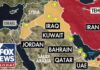
The strike plan and the pause are tied to the Strait of Hormuz, a chokepoint that impacts global oil flows and, by extension, prices American families pay. Trump’s earlier ultimatum demanded Iran reopen the strait within 48 hours, with energy targets on the table if it didn’t. That linkage matters because energy costs function like a tax on working households, and in wartime a disruption can ripple fast through shipping, airlines, and inflation expectations.
Conservative frustration is not theoretical here; it’s practical. Voters who already felt squeezed by years of inflation and fiscal mismanagement are watching war risk add another layer of price volatility. The administration’s challenge is to keep pressure on Iran without triggering the kind of market shock that punishes ordinary Americans. The reporting available so far describes the policy intent, but it does not provide detailed benchmarks for what “success” in reopening the strait or de-escalation would look like.
Did Talks Really Happen? Conflicting Claims and Limited Verification
Trump and U.S. reporting describe discussions involving Middle East envoy Steve Witkoff and Jared Kushner, but Iran’s state media flatly denied any conversations and labeled the claim false. That contradiction is central because it shapes how the public should interpret the pause. If talks occurred, the delay could be a bargaining window; if they didn’t, the pause could be a pressure tactic aimed at shifting blame or forcing movement without admitting concessions.
Multiple outlets corroborate that the pause order itself happened, but none of the provided reporting offers independently verified details about the location, terms, or participants beyond U.S. claims and Iran’s denial. For an American public wary of “forever wars,” transparency matters because it drives consent and accountability. When definitions are vague—what Iran must do, what the U.S. will accept, and what happens day six—citizens are left to fill in blanks, and that’s where distrust grows.
Israel’s Continued Strikes Highlight Alliance Friction Risks
Reporting indicates Israel conducted strikes the same day the U.S. announced its five-day pause, including actions associated with power disruptions in Tehran. That divergence doesn’t automatically mean a rupture, but it does emphasize a reality of coalition warfare: allies can share goals while operating on different timelines. For U.S. voters, the key issue becomes whether American forces are being pulled into escalations driven by events Washington does not fully control.
Trump's Sudden Iran Strike Pause: Diplomacy Time or Pressure Play?https://t.co/MXfjT8xecj
— RedState (@RedState) March 24, 2026
This dynamic also explains why MAGA supporters are divided. Some see unwavering alignment with Israel as strategically necessary; others are questioning whether U.S. commitments are drifting into another costly campaign without defined limits. The Constitution gives Congress the power to declare war, and while modern conflicts often blur that line, voters are increasingly alert to executive-branch momentum that expands missions faster than public debate can keep up.
Money, Mission Creep, and the Test for “America First”
The conflict has already involved significant U.S. force posture and financial strain, including reported troop and naval deployments and a Pentagon funding request reaching into the hundreds of billions amid an enormous national debt load. That combination—war spending plus debt—hits a nerve for conservatives who want a strong defense but also want discipline, oversight, and an endpoint. A five-day pause is tactically meaningful, but it does not answer the strategic question of what victory looks like.
For now, the most defensible reading of the available facts is that Trump is trying to preserve maximum leverage: threaten decisive action, then offer a short diplomatic runway, and keep military options ready if talks collapse. Whether that approach prevents a wider war or simply delays a bigger strike package will become clearer when the deadline passes. Until then, the public is being asked to trust a process that even basic reporting cannot yet independently verify.
Sources:
Trump pauses strikes on Iran’s energy infrastructure for 5 days after ‘productive’ talks
Trump possible timeline for Iran strikes
Trump’s Iran strategy showcases ‘doctrine of unpredictability’ amid strike threats, sudden pause
Trump Pauses Threat to Hit Energy Sites
Copyright 2026, PatriotNews.net