(PatriotNews.net) – A sensational claim about a “$2 billion submarine stuck in dry dock” has circulated widely, but the facts reveal no such vessel exists—raising questions about whether misleading narratives are being used to obscure the real cost overruns and delays plaguing the Navy’s $348 billion Columbia-class program.
Story Snapshot
- No credible evidence supports claims of a “$2 billion submarine” trapped in dry dock as an “embarrassing Navy secret”
- The Columbia-class program costs $348 billion for 12 submarines, with the lead boat alone priced at $16 billion—not $2 billion
- USS District of Columbia is 65-66% complete and on track for 2028 delivery after recovering from earlier delays
- Taxpayers face massive spending on a delayed nuclear deterrent program while misinformation distracts from accountability
Debunking the “$2 Billion Stuck Submarine” Myth
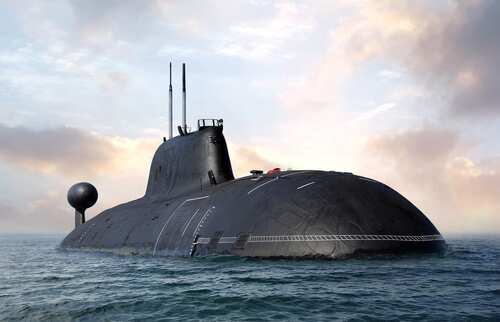
The headline-grabbing claim of a “$2 billion submarine” immobilized in dry dock as the Navy’s “most embarrassing secret” lacks any factual foundation. Multiple credible sources tracking the Columbia-class ballistic missile submarine program report no such incident. The lead boat, USS District of Columbia (SSBN-826), remains under active construction at General Dynamics Electric Boat in Groton, Connecticut, with steady progress documented through early 2026. This fabricated narrative appears to conflate legitimate program delays with a fictional crisis, potentially misleading Americans about how their tax dollars are being spent on national defense.
The Real Columbia-Class Program: Delays and Massive Costs
The Columbia-class program represents the Navy’s effort to replace aging Ohio-class nuclear ballistic missile submarines with 12 new vessels carrying a lifecycle price tag of approximately $348 billion. The lead submarine alone costs roughly $16 billion—eight times the mythical “$2 billion” figure. Construction began around 2020 using modular assembly across General Dynamics Electric Boat and Huntington Ingalls Industries in Newport News, Virginia. Initial delivery targets for 2027 slipped by 12 to 17 months due to workforce shortages, supply chain disruptions, and shipyard capacity constraints—legitimate concerns that deserve scrutiny without sensationalism obscuring the facts.
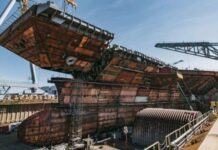
By February 2026, Navy officials confirmed SSBN-826 reached 65 to 66 percent completion, with pressure hull work finished by year-end 2025. Rear Admiral Todd Weeks stated the acceleration framework implemented in 2025 successfully improved construction timelines, projecting water entry in 2027 and delivery in October 2028. A new floating dry dock named “Atlas,” measuring 618 feet and built by Bollinger Shipyards, arrived at Groton on January 3, 2026, specifically to support Columbia-class assembly and testing. These developments indicate progress, not paralysis, though delays strain plans to extend Ohio-class submarine lifespans as replacements lag behind schedule.
What This Means for Taxpayers and National Security
Americans frustrated with government overspending and lack of accountability have legitimate reasons to question a $348 billion program experiencing significant delays, even as the Navy insists recovery is underway. The Columbia-class submarines serve as the sea-based leg of America’s nuclear deterrent, critical for countering threats from China and Russia through the 2080s. Yet workforce shortages and supply chain problems—issues plaguing multiple defense sectors—raise concerns about whether the military-industrial complex can deliver on time without further cost overruns. Taxpayers deserve transparency about these challenges rather than distraction through viral misinformation about nonexistent “stuck” submarines.
The program’s political and economic impacts extend beyond national security. General Dynamics Electric Boat received a $15.4 billion contract modification in March 2026, reflecting ongoing federal commitment despite delays. Communities in Connecticut and Virginia benefit from thousands of shipyard jobs tied to Columbia-class construction, while suppliers like Leonard DRS invested $120 million in new propulsion component facilities to address bottlenecks. However, the 12 to 17 month delivery slip underscores systemic weaknesses in America’s submarine industrial base, which struggled to meet demand even before tensions with Iran escalated in 2026. These are the real issues demanding attention—not fabricated scandals designed to generate clicks.
Why False Narratives Hurt Defense Accountability
Sensationalized claims about imaginary “stuck submarines” do more than mislead—they erode trust in defense reporting and distract from holding the Pentagon and contractors accountable for real problems. When legitimate delays and cost growth plague a $348 billion program vital to deterring adversaries, Americans need factual analysis to assess whether their government is managing defense spending wisely. The Columbia-class program faces genuine challenges rooted in decades of underinvestment in shipyard capacity and skilled labor, issues that require long-term solutions rather than partisan finger-pointing or viral hoaxes. Conservative principles demand both a strong national defense and fiscal responsibility, which means confronting uncomfortable truths about defense procurement without tolerance for misinformation.
As of early 2026, the USS District of Columbia remains on schedule for 2028 delivery following corrective measures implemented in 2025. The Navy and contractors aim for full-rate production by 2031, with modular construction techniques setting precedents for future submarine classes. While critics rightly question whether delays signal deeper dysfunction, current data shows recovery momentum rather than catastrophic failure. Americans deserve honest assessments of defense programs—not fabricated crises that serve no purpose beyond generating outrage. The real story of the Columbia-class should focus on ensuring every dollar spent delivers the deterrent capability our nation requires, especially as global threats intensify and promises to avoid new wars ring hollow.
Sources:
Electric Boat Receives New Floating Dry Dock to Support Columbia-Class Submarines
Electric Boat Receives New Floating Dry Dock to Support Columbia-Class Submarines
The Navy’s New $348 Billion Columbia-Class Nuclear Missile Submarine Is in Trouble
Columbia-Class Submarines See Construction Ramp Up, Navy Official Says
Navy Says Columbia-Class Sub Construction Schedule Improving
Navy Columbia Submarine Construction West
U.S. Navy Secures New $15.4 Billion Deal for Columbia-Class Submarines
Copyright 2026, PatriotNews.net