

(PatriotNews.net) – Imagine holding on to hope for 20 long years, only to have it extinguished in the blink of an eye.
At a Glance
- Prince Al-Waleed bin Khaled bin Talal Al Saud, known as the “Sleeping Prince,” dies after a 20-year coma.
- The prince’s father, Prince Khaled, refused to withdraw life support, symbolizing hope to many Saudis.
- The prince’s condition raised discussions on medical ethics and the influence of the Saudi royal family.
- His passing prompted a wave of public sympathy and reflection on long-term medical care.
Tragic Car Accident Leads to Long Coma
In 2005, Prince Al-Waleed bin Khaled bin Talal Al Saud’s life took a tragic turn at just 15 years old. While studying as a military cadet in the UK, a devastating car accident left him with severe brain injuries and internal bleeding, plunging him into a coma. For two decades, his life hung in the balance, with minimal signs of recovery. His family’s decision to keep him on life support became a poignant symbol of perseverance and faith in Saudi Arabia, drawing international attention.
The prince’s father, Prince Khaled bin Talal, became the face of this enduring vigil. Firm in his belief, he refused to withdraw life support despite the odds. This decision resonated deeply with the Saudi people, many of whom saw it as a testament to unwavering hope and faith. His updates on his son’s condition kept the nation engaged, sparking periodic discussions on the ethics of long-term life support.
Royal Family’s Influence and Public Response
The Saudi royal family’s involvement highlighted their influence and resources, enabling ongoing medical care, even as the prince remained unresponsive. His condition and the family’s decisions became a topic of public interest, drawing sympathy and support from across the nation. The 2020 viral video showing a slight physical response from the prince reignited hope briefly, but the reality of his condition remained unchanged.
The prince’s story transcended personal tragedy, becoming a point of reflection on the limitations and capabilities of modern medicine in treating severe brain injuries. His case provided a platform for discussions on medical ethics, particularly concerning prolonged life support without significant recovery prospects. It also showcased the psychological impact on families, especially those in the public eye, grappling with such decisions.
Prince Al-Waleed’s Passing and Its Aftermath
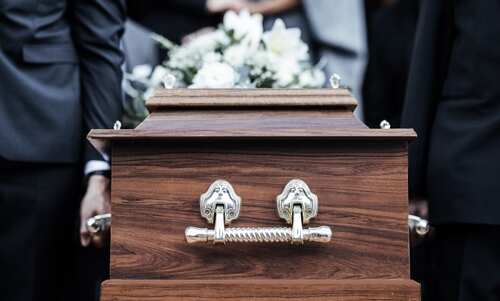
The news of Prince Al-Waleed’s death on July 19, 2025, marked the end of a two-decade-long vigil. His father’s heartfelt announcement on social media, quoting the Quran, expressed the deep sorrow felt by the family and the nation. The funeral, held at the Imam Turki bin Abdullah Mosque in Riyadh, was a moment of collective mourning, as condolences poured in from all corners of the globe.
The hashtag #SleepingPrince trended on social media, with many sharing memories and reflections on the prince’s life and the family’s unwavering faith. The public response underscored the lasting impact of the prince’s story, highlighting issues of medical resource allocation and quality of life considerations that continue to be debated.
Implications and Reflections on Medical Ethics
Prince Al-Waleed’s case has lasting implications for how we view long-term comas and the ethics of life support. It challenges us to consider the balance between medical intervention and quality of life, especially when recovery seems unlikely. The case also sheds light on the role of families in making such profound decisions and the emotional toll it takes on them.
For the Saudi royal family, the incident reinforced their image as compassionate and resilient leaders, strengthening their bond with the public. The prince’s story will likely influence future discussions on medical care for comatose patients, particularly in high-profile families with the resources to sustain long-term care.
Copyright 2025, PatriotNews.net