(PatriotNews.net) – Donald Trump’s declaration to terminate mail-in voting before the 2026 midterms has ignited a political firestorm, challenging constitutional norms and sparking widespread debate.
Story Overview
- Trump plans to issue an executive order to end mail-in voting.
- Mail-in voting fraud claims remain unsubstantiated by experts.
- Tension between federal and state powers over election control.
- Potential for increased partisan conflict and legal battles.
Trump’s Ambitious Plan
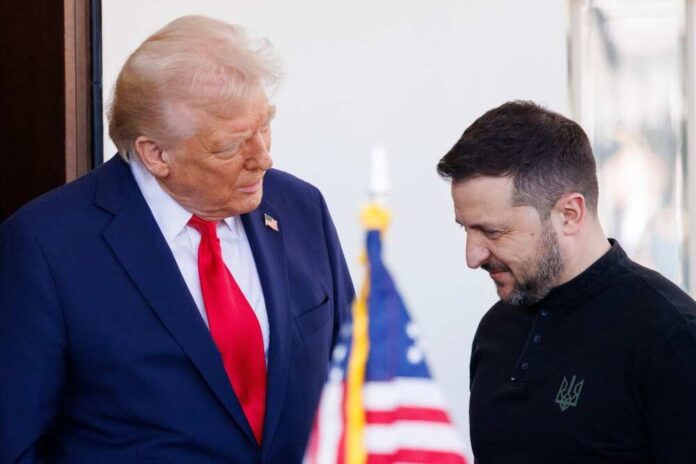
On August 18, 2025, President Donald Trump announced his intention to end mail-in voting in the United States. He promised to sign an executive order to ban mail-in ballots before the 2026 midterm elections, citing concerns about fraud and corruption. Trump made these remarks during a meeting with Ukrainian President Volodymyr Zelenskyy, emphasizing his commitment to “bring honesty” to U.S. elections. The announcement quickly became a flashpoint in the ongoing debate over voting integrity and accessibility.
The push to end mail-in voting is framed by longstanding Republican criticism of this voting method, which surged during the COVID-19 pandemic. Trump’s claims about mail-in ballot fraud have been a recurring theme since the 2020 presidential election, despite a lack of evidence supporting widespread fraud. The plan has raised questions about the constitutional authority of the federal government to unilaterally alter state-run election processes.
Legal and Political Challenges
The drafting of the executive order is underway, but the proposal faces significant legal and political hurdles. The U.S. Constitution grants states the primary authority to administer elections, making a federal ban on mail-in voting legally contentious. Legal experts argue that any such executive order would likely face immediate challenges in court, questioning its constitutionality and enforceability.
Politically, the move is expected to deepen the partisan divide over voting laws. Republicans argue that restricting mail-in voting is essential for ensuring election integrity, while Democrats and voting rights advocates contend that such measures aim to suppress voter turnout, particularly among demographics that tend to favor Democratic candidates. The potential disenfranchisement of vulnerable populations, including the elderly, disabled, and overseas voters, is a major concern among critics.
Implications for Future Elections
Trump’s announcement has significant short-term and long-term implications. In the short term, it is likely to increase political polarization and lead to legal battles that could create uncertainty for voters and election officials. The prospect of rapidly changing voting procedures could also impose additional costs on states and election technology providers.
In the long term, the outcome of this initiative could set a precedent for federal intervention in state election administration. If the executive order is upheld or struck down, it may influence future legislation on voting laws, potentially reshaping the electoral landscape. The debate over mail-in voting reflects broader tensions over election security, voter access, and the balance of power between federal and state governments.
Copyright 2025, PatriotNews.net