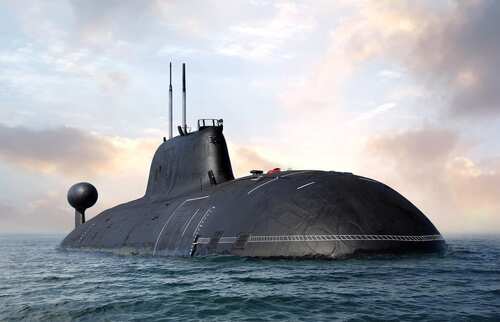
(PatriotNews.net) – As Russia quietly pushes nuclear submarines toward NATO waters, Norway is racing to build a bigger undersea fleet: with price tags that remind Americans what real national defense spending looks like after years of Washington waste.
Story Snapshot
- Norway is buying two more German-built submarines, bringing its new fleet to six boats focused on tracking Russian subs near NATO waters.
- Oslo is pairing those subs with 500‑kilometer long‑range missiles and a deep naval pact with the UK to guard pipes, cables, and sea lanes.
- The UK–Norway “Lunna House” agreement creates an integrated anti‑submarine fleet to hunt Russian vessels from the Arctic to the North Atlantic.
- Massive Norwegian spending underscores how seriously allies now treat defense—after years when Western elites blew cash on climate schemes and woke projects instead.
Norway Doubles Down On Submarines To Track Russian Fleet
Norway’s Ministry of Defence has decided to expand its next‑generation submarine program from four boats to a total of six, all built by Germany’s Thyssenkrupp Marine Systems. The latest order alone is priced at roughly 46 billion Norwegian kroner, pushing the full program close to 100 billion kroner as costs for raw materials and advanced systems rise. These submarines are slated to replace Norway’s aging Ula‑class boats, with the first new hull expected to enter service around 2029.
NATO planners see these Norwegian submarines as front‑line assets in the High North, where Russia’s Northern Fleet sails from bases on the Kola Peninsula into the Barents Sea and North Atlantic. Their primary mission is not symbolic flag‑waving, but persistent tracking of Russian nuclear and attack submarines as they move toward critical sea lanes and the Greenland‑Iceland‑UK gap, a chokepoint for any conflict that could threaten American and European shipping.
Missiles, Money, And A Hard Lesson On Real Deterrence
Alongside the extra submarines, Norway is buying long‑range missiles with ranges of about 500 kilometers for its army, investing roughly 19 billion kroner in standoff firepower. Norwegian officials openly cite battlefield lessons from Ukraine, where long‑range precision strikes have shaped logistics, command centers, and air defenses. For conservatives watching from the United States, this looks like a small nation doing what Washington elites often refuse: buying hard power instead of throwing money at globalist conferences and bureaucratic climate targets.
Norwegian taxpayers are absorbing the bill for six high‑end submarines plus new missile stockpiles, but leaders argue the cost is justified by a sharper Russian threat around undersea pipelines, cables, and offshore energy platforms. Since Moscow’s aggression against Ukraine, allied governments have tracked more Russian vessels in sensitive waters, sparking fears of sabotage against energy infrastructure that now keeps Europe warm and powered. Norway’s answer is to put more steel in the water and more range on land, rather than trusting paper statements from international bodies.
UK–Norway Naval Pact Targets Russian Subs And Sabotage
Norway’s new boats plug directly into the Lunna House Agreement, a defense pact signed with the United Kingdom that centers on jointly “hunting Russian submarines” and guarding critical undersea infrastructure. London and Oslo plan to run a combined anti‑submarine surface fleet, share maintenance and technology, and coordinate P‑8 maritime patrol aircraft across the North Atlantic and Arctic. Together they intend to monitor key choke points and sea routes that would carry American reinforcements in any major NATO crisis.
The agreement builds on Norway’s selection of the British Type 26 anti‑submarine warfare frigate, with at least five ships on order in what the UK calls its largest warship contract. When Britain’s eight Type 26s join Norway’s five or more, the allies expect at least thirteen advanced frigates working in concert with Norwegian submarines and uncrewed undersea systems. That integrated fleet is designed to complicate Russian submarine operations, raise the risk of covert cable or pipeline attacks, and strengthen deterrence without endless public grandstanding.
Why This Matters To America’s Security‑First Conservatives
For constitutional conservatives in the United States, Norway’s moves highlight a core principle: serious nations fund real defense capabilities instead of social engineering. While the prior Biden years poured hundreds of billions into green subsidies, DEI bureaucracies, and open‑ended foreign aid with minimal accountability, a small Arctic ally is investing heavily in submarines, missiles, and hard‑nosed surveillance of an actual adversary. That contrast underscores why many American voters demanded a course correction and a renewed focus on borders, energy, and deterrence under President Trump.
Norway buys more submarines to help monitor Russian threat https://t.co/eMKUysGPv3
— Toni C. (@tonicesteve) December 7, 2025
A more capable Norwegian fleet, tightly bound to the UK, also reinforces the message that Europe cannot outsource its security while lecturing Americans on climate and migration. By shouldering more of the anti‑submarine burden in the North Atlantic, Norway helps protect transatlantic shipping lanes, undersea cables, and energy flows that matter directly to U.S. markets and consumers. That kind of burden‑sharing aligns with long‑standing conservative calls for NATO partners to meet real defense obligations instead of counting on endless U.S. bailouts.
Copyright 2025, PatriotNews.net