In a packed Utah courtroom, prosecutors say DNA, video, and a tearful confession now tie Tyler Robinson to the rooftop killing of conservative activist Charlie Kirk, while the MAGA movement watching online is splitting over whether to trust the system that built the case.
Story Snapshot
- Prosecutors unveiled DNA, surveillance video, and messages they say link Tyler Robinson to Charlie Kirk’s killing.
- Defense lawyers attacked the DNA tests and confession evidence, warning that media leaks threaten a fair trial.
- The judge will only decide if there is enough evidence for a full trial, not guilt or innocence.
- The case highlights rising political violence and deep distrust of federal and local authorities on both left and right.
Inside the preliminary hearing and the evidence against Robinson
Over five days in a small Utah courtroom, prosecutors laid out their case that 23-year-old Tyler Robinson assassinated Turning Point USA founder Charlie Kirk on the Utah Valley University campus in September 2025. They presented lab reports showing DNA from Robinson and his roommate on a screwdriver and towel recovered near the suspected murder weapon, a bolt-action rifle found in nearby woods. A state sergeant testified that DNA from many parts of the rifle was at least one trillion times more likely to belong to Robinson than anyone else.
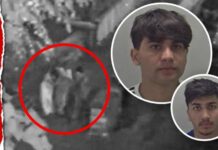
Security footage has become a central part of the case. From hundreds of hours of campus video, investigators built a timeline that they say shows Robinson on Utah Valley University property four different times on the day Kirk was shot, including movements before and after the rooftop attack. Prosecutors argue this pattern matches a planned assassination, not a random encounter, and they used the footage to place Robinson near the scene at key moments that day.
Notes, texts, and an alleged confession to a romantic partner
Jurors will eventually have to weigh not just the lab work and video, but Robinson’s own reported words. In court, the state read a handwritten note Robinson allegedly left under his roommate’s keyboard, apologizing and saying he “had the opportunity to take out Charlie Kirk, and I took it.” Prosecutors also played recorded testimony from Robinson’s former partner, who described him as distraught and saying “I wish I hadn’t done it” and talking about turning himself in after the shooting.
Digital records add another layer. Investigators gathered text and Discord chat logs from September 10–12, including messages in which Robinson allegedly discussed his political motive, warned his roommate not to talk to media, and worried police would find his DNA on the rifle. The formal charging document from the Utah County Attorney’s Office claims Robinson “intentionally selected Charlie Kirk” because of his political views, framing the case as a targeted political assassination rather than a personal dispute or random violence.
Defense pushback, media mistakes, and fears of an unfair trial
Defense lawyers spent much of the hearing attacking how this evidence was found, tested, and shown to the public. They questioned the reliability of the Federal Bureau of Investigation (FBI) DNA analysis, pressing the state’s expert on lab methods and arguing that the statistics do not prove Robinson fired the rifle. They also challenged how campus photos and videos were authenticated, saying the state had not fully shown who took them or when, and raising concerns about technical flaws in redacted audio and video exhibits.
Media coverage has become its own problem in the case. The judge allowed live streaming of the hearing but ordered that one sensitive exhibit showing admissions not be broadcast. During day five, that image appeared on the stream for about three and a half seconds before producers cut away. Defense attorneys argued that this second violation of court orders means the material is now “out there forever,” creating what they call presumptive prejudice against Robinson and echoing past Supreme Court warnings about media-driven bias.
A divided movement watching a justice system many no longer trust
While the judge is only deciding if there is enough evidence to send the case to trial, not whether Robinson is guilty, the broader country is treating this hearing as a verdict on America’s direction. Supporters of Kirk, many part of the Make America Great Again movement, see the case as proof that political leaders can be hunted for their views. Critics of Kirk’s politics see the heavy charges and capital murder count as another sign of a system that responds differently when the victim is a powerful conservative figure.
3/12
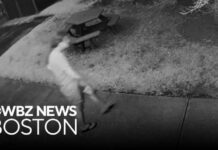
Since the State has to win beyond a reasonable doubt, i'll start with this question, Why hasn't prosecutor provided evidence to proove that Tyler Robinson was in fact, the guy in the black shirt?
So far, i haven't found any solid evidence actually linking Tyler to the Guy… pic.twitter.com/sV3i2orjJf
— Batturd (@Batturd84) July 13, 2026
Experts say the Robinson case fits a growing pattern of self-radicalized political violence, where lone actors move from online anger to real-world attacks without orders from any group. Recent studies show that from 2022 to 2024, all 61 recorded political killings in the United States were carried out by right-wing actors, underscoring how ideological rage is spilling into deadly action. At the same time, polls find most Americans still say political violence is “never justified,” even as they lose faith that the federal government is working for them.
Sources:
feedpress.me, rev.com, abc4.com, youtube.com, instagram.com, politico.com, journalofdemocracy.org, pnas.org
© patriotnews.net 2026. All rights reserved.