(PatriotNews.net) – As geopolitical tensions surge, Russian Foreign Minister Sergey Lavrov’s recent remarks at the G20 meeting have escalated rhetoric to alarming heights.
Story Snapshot
- Lavrov accuses NATO and EU of waging a “real war” against Russia.
- The accusation follows a pattern of heightened military incidents.
- Estonia’s recent invocation of NATO Article 4 underscores the tension.
- Experts warn of the risk of accidental escalation into broader conflict.
Lavrov’s Accusations at the G20
Sergey Lavrov, Russia’s Foreign Minister, addressed the G20 foreign ministers on September 25, 2025, in New York, accusing NATO and the EU of actively engaging in a “real war” against Russia. He claimed that the West’s military and political support for Ukraine signified a direct involvement in the conflict, transforming the dynamic from indirect to outright hostility. Lavrov’s statements have fueled concerns about escalating tensions between Russia and Western powers.
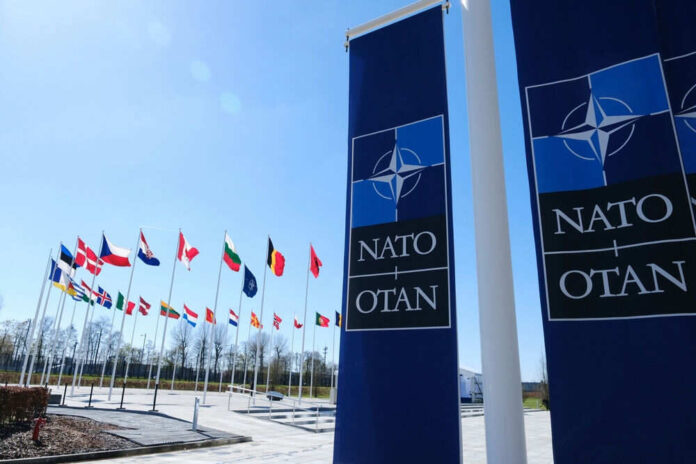
Lavrov’s remarks come amid a backdrop of increasing military incidents, including Estonia’s recent claim of Russian airspace violation. On September 19, 2025, Estonia invoked NATO’s Article 4, citing a 12-minute incursion by Russian MiG-31 jets, a claim Russia has denied. This development highlights the fragile nature of current geopolitical relations and the potential for rapid escalation.
Historical Context and Current Dynamics
The seeds of the current conflict were sown as far back as 2014 with Russia’s annexation of Crimea, escalating with the full-scale invasion of Ukraine in 2022. Since then, NATO and the EU have bolstered Ukraine with military aid, sanctions, and political support, actions perceived by Russia as hostile. This perception has led to heightened rhetoric and military posturing, with Lavrov’s recent statements marking a significant escalation.
Russia’s rhetoric aims to deter further Western involvement by framing the conflict as a defensive war against Western aggression. Lavrov’s comments, coupled with warnings from other Russian officials, including Ambassador Alexey Meshkov, suggest a strategy to pressure the West to reconsider its stance on Ukraine.
Implications of Lavrov’s Statements
The consequences of Lavrov’s statements are multifaceted. In the short term, they contribute to heightened diplomatic tensions and increase the risk of military incidents or miscalculations, especially in sensitive border regions. The invocation of NATO Article 4 by Estonia is a stark reminder of the potential for these confrontations to escalate dangerously.
Long-term implications include the entrenchment of a new Cold War dynamic, with Russia and NATO/EU locked in adversarial positions. As long as the conflict persists, the risk of direct confrontation looms, threatening broader regional and global stability. Economically, continued sanctions and counter-sanctions disrupt trade and energy markets, while defense spending and militarization in Europe escalate.
Expert Perspectives and Analysis
Western analysts interpret Lavrov’s accusations as part of a broader information warfare strategy designed to justify Russian actions and discourage Western support for Ukraine. Security experts warn that the risk of accidental escalation is increasing, particularly with intensified military activities near NATO borders. Scholars of international relations suggest that Lavrov’s rhetoric is intended to rally domestic support by portraying the conflict as a defensive war against Western aggression.
While Russian officials position the West as the aggressor, Western governments maintain that their support for Ukraine is defensive and within the bounds of international law. This divergence in narratives underscores the complex geopolitical landscape and the challenges in resolving the conflict.
Copyright 2025, PatriotNews.net