(PatriotNews.net) – The diplomatic chessboard is set as Vice President JD Vance steps into high-stakes negotiations that could redefine peace in Ukraine.
Story Snapshot
- JD Vance joins President Trump in hosting Ukrainian President Zelenskyy at the White House.
- The meeting seeks to advance peace talks following a stalemate with Russia.
- European and NATO leaders are present, marking a significant diplomatic convergence.
- The U.S. shifts focus from ceasefire to a comprehensive peace agreement.
Diplomatic Dynamics at Play
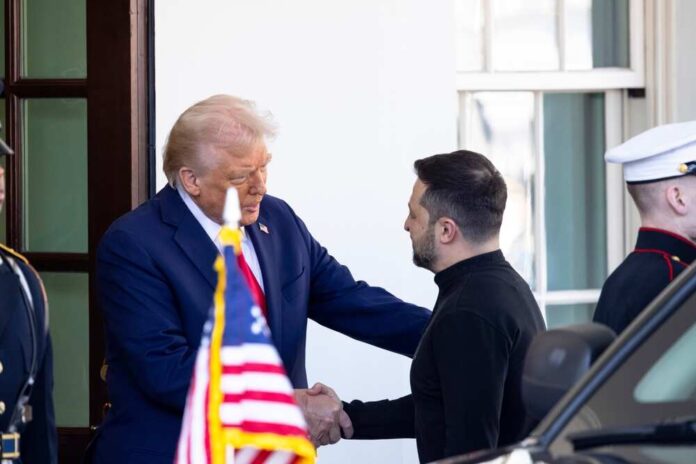
Vice President JD Vance will be part of an unprecedented diplomatic gathering at the White House, where President Donald Trump hosts Ukrainian President Volodymyr Zelenskyy. The meeting, involving European and NATO leaders, aims to push forward negotiations to end Russia’s war in Ukraine. This follows a recent summit between Trump and Russian President Vladimir Putin in Alaska that ended without a ceasefire.
The timeline is packed: Zelenskyy arrived in Washington on Sunday night, and European leaders are scheduled to convene at the White House the following day. The afternoon will see a flurry of diplomatic activities, including a group photo and a multilateral meeting in the East Room. The stakes are high as the U.S. administration seeks to pivot from merely maintaining a ceasefire to brokering a broader peace agreement.
U.S. Leadership and Strategic Interests
President Trump is steering this diplomatic effort, with Vice President Vance actively participating, signaling his growing influence in foreign policy matters. The White House meeting underscores Trump’s ambition to cement his legacy as a peacemaker while securing potential domestic political gains. Vance’s presence highlights his role in shaping U.S. foreign policy, particularly in a conflict that has drawn significant international attention and resources.
Zelenskyy, on the other hand, is focused on securing Ukraine’s sovereignty and ending the war while maintaining Western support. European leaders, including Ursula von der Leyen and German Chancellor Friedrich Merz, are keen on stabilizing the region and managing refugee flows. NATO, represented by Secretary-General Mark Rutte, remains a key security stakeholder.
Complex Geopolitical Landscape
Russia’s full-scale invasion of Ukraine, which began in February 2022, has plunged the region into chaos and tested international alliances. The conflict, rooted in Russia’s 2014 annexation of Crimea, has left a trail of devastation and geopolitical instability. While the U.S. and European allies have provided military and economic support to Ukraine, diplomatic efforts have often stalled amid shifting alliances and international dynamics.
Trump’s recent Alaska summit with Putin aimed to secure a ceasefire but fell short, prompting this renewed diplomatic push. The White House meeting marks a critical juncture, with Trump publicly opposing Ukraine’s NATO membership, suggesting potential negotiating points as leaders strive for a lasting resolution.
Future Implications and Stakes
The outcome of this meeting could reshape the European security architecture and redefine U.S. diplomatic leadership. A successful peace agreement would address Ukraine’s sovereignty and territorial integrity while providing security guarantees. However, the path to peace is fraught with challenges, as previous agreements have faltered.
Short-term implications include increased international scrutiny on Russia and potential shifts in U.S. and European policies. Long-term, the stakes involve Ukraine’s geopolitical future and the broader balance of power in Europe. The affected parties range from Ukrainian civilians and military personnel to European countries grappling with refugee flows and security risks.
Copyright 2025, PatriotNews.net