
(PatriotNews.net) – For the first time in American history, a state has unilaterally designated a prominent civil rights group as a terrorist organization, raising critical questions about constitutional authority, security, and the future of American freedoms.
Story Snapshot
- Texas Governor Abbott has proclaimed the Muslim Brotherhood and CAIR as foreign terrorist and transnational criminal organizations, bypassing federal authority.
- The designation triggers immediate legal and operational consequences for CAIR and the Muslim Brotherhood within Texas.
- CAIR has announced it will pursue legal action, while national civil rights groups and federal agencies are monitoring the situation closely.
- This unprecedented move ignites a wider debate on state sovereignty, security, and the protection of constitutional rights.
Texas Asserts State Power over Security Threats
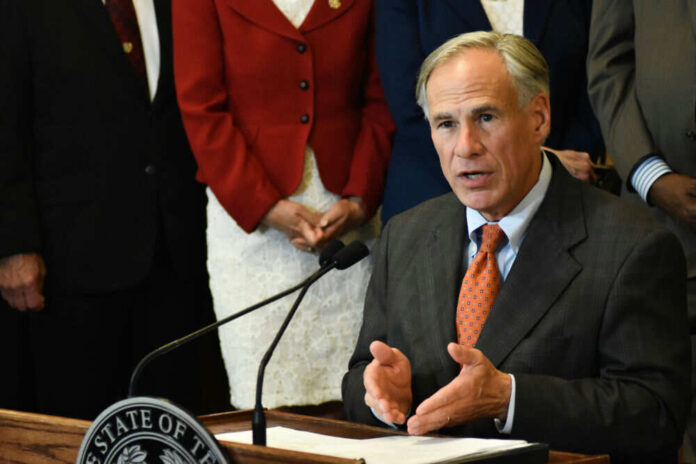
On November 18, 2025, Texas Governor Greg Abbott issued a proclamation declaring both the Muslim Brotherhood and the Council on American-Islamic Relations (CAIR) as foreign terrorist and transnational criminal organizations. This action marks the first time a U.S. state has independently designated CAIR, a group that bills itself as the largest Muslim civil rights organization in America, as a terrorist entity. By doing so, Texas bypasses the established federal process, which reserves terrorist designations for the U.S. Department of State and not for individual states. The move signals a bold assertion of state power, reflecting long-standing frustrations with federal inaction and perceived threats to the security and values of American citizens.
The designation carries immediate consequences for the targeted organizations, including potential asset freezes and operational restrictions within Texas. For many conservatives, this step addresses years of concerns about foreign influence, extremism, and the lack of decisive federal response. Supporters argue it is a necessary measure to protect Texans from organizations they view as hostile to American values and security. Critics, however, claim that Abbott’s action sidesteps due process and could set a dangerous precedent, especially since CAIR has not been charged with terrorism by federal authorities. This unprecedented move throws into sharp relief the ongoing tension between state sovereignty and federal authority, particularly when it comes to defending constitutional principles and community safety.
Civil Rights Legal Battles and Community Impact
Immediately following the proclamation, CAIR publicly rejected the designation, labeling it baseless and unconstitutional, and announced plans to pursue legal action against the state of Texas. The American Civil Liberties Union (ACLU) and other rights organizations began monitoring the situation and signaled potential legal challenges. These groups warn that the designation could result in increased discrimination against Muslim Americans and undermine core civil liberties such as freedom of association and religious expression. Within Texas, Muslim communities are now facing heightened scrutiny, uncertainty, and concerns about due process and equal treatment under the law.
The U.S. Department of State has not responded to the Texas designation, and federal legislation (S.2293, the Muslim Brotherhood Terrorist Designation Act) remains pending in the Senate. The power struggle between state and federal jurisdiction is fueling legal and political debates nationwide. As legal experts note, the constitutionality of such a state-level designation is untested, as federal law has traditionally governed terrorist organization status. The outcome of legal challenges could have far-reaching consequences for civil rights, federalism, and the future of state-level counterterrorism measures.
Broader Political and Social Implications
Governor Abbott’s unilateral action occurs against a backdrop of heightened national concern over illegal immigration, border security, and threats to conservative values. Texas has led the charge on tough immigration enforcement and resistance to leftist policies, especially after years of what many see as federal neglect and weakness. For many Americans, this move is viewed as an overdue correction to years of globalist overreach and a reassertion of local control and constitutional priorities. Yet, this step also intensifies the debate over how far states can go in protecting their residents, and whether such measures risk overstepping constitutional boundaries and eroding fundamental freedoms.
While some experts praise the designation for targeting organizations seen as threats to U.S. security, others warn of possible backlash, increased religious tension, and legal battles that could drag on for years. The broader implications touch not only on security and civil rights, but also on the very nature of American federalism, who decides, and how, when it comes to defending the nation against ideological threats. As the courts weigh in and the political battles continue, Texas’s bold move sets the stage for national debate on the limits of state power and the uncompromising defense of American values.
Copyright 2025, PatriotNews.net