

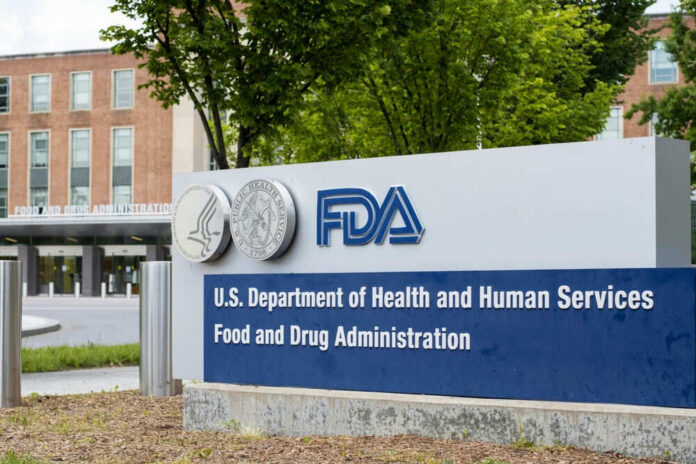
(PatriotNews.net) – The FDA has delivered a stunning blow to Moderna’s experimental mRNA flu vaccine, refusing to even review the application in a rare regulatory rebuke that signals heightened scrutiny of mRNA technology under the Trump administration’s health leadership.
Story Highlights
- FDA issued rare “refusal-to-file” letter to Moderna’s mRNA flu vaccine application, citing inadequate trial design despite no safety concerns
- Agency rejected trial’s control arm after initially approving the protocol in 2024, blindsiding Moderna executives and investors
- Decision comes amid HHS Secretary Robert F. Kennedy Jr.’s crackdown on mRNA projects, including $500 million in cancelled contracts
- Moderna’s stock plummeted 7% as the rejection delays potential flu protection that showed 27% higher efficacy in seniors
Regulatory Reversal Stuns Biotech Industry
The FDA’s February 11, 2026 refusal-to-file letter represents a dramatic about-face from the agency’s previous guidance. After approving Moderna’s trial protocol in April 2024, which used Fluarix standard-dose flu vaccine as a comparator, the FDA now claims this design fails to reflect the “best-available standard of care” in the United States. The rejection becomes even more perplexing considering Moderna completed its 40,700-participant Phase 3 trial in 2025 and held a pre-submission meeting with FDA’s Center for Biologics Evaluation and Research in August 2025, where officials requested additional analyses but never indicated a refusal-to-file was forthcoming. This type of outright rejection occurs in only 4% of applications, making it an exceptionally rare move that raises serious questions about regulatory consistency and predictability.
Kennedy’s Influence Reshapes Vaccine Policy
The timing of this rejection cannot be separated from HHS Secretary Robert F. Kennedy Jr.’s aggressive reorganization of federal vaccine oversight. Since his appointment under the Trump administration, Kennedy has cancelled $500 million across 22 mRNA research projects, fired CDC officials, overhauled vaccine advisory panels, and restricted COVID-19 vaccinations to high-risk populations only. The refusal-to-file letter bears the signature of FDA CBER Director Vinay Prasad, a Kennedy appointee who appears to be enforcing more stringent trial standards than his predecessors. This represents a welcome course correction for Americans who witnessed the rushed authorization of experimental mRNA shots during the pandemic, when legitimate concerns about long-term safety were dismissed as conspiracy theories and millions were effectively coerced into receiving inadequately tested injections.
Trial Standards Versus Innovation Concerns
Moderna CEO Stéphane Bancel criticized the FDA’s decision as contradicting prior guidance and potentially hindering American biotech innovation. The company’s President, Dr. Stephen Hoge, called it a “complete stunner” in statements to CNN, emphasizing that the FDA raised no safety or efficacy concerns about the vaccine itself, which demonstrated 27% better protection than Fluarix in adults over 50. The agency’s stated objection centers on trial methodology, specifically that the control arm should have used high-dose flu vaccines for participants over 65 rather than standard-dose Fluarix. However, this standard was never communicated as a deal-breaker during the initial protocol approval or subsequent meetings. Moderna has requested an urgent Type A meeting with CBER to resolve the impasse and understand why the goalposts shifted after years of development work.
Market Impact and Broader Implications
Moderna’s stock dropped 7% in after-hours trading following the announcement, compounding investor concerns about the company’s post-COVID pivot strategy. The rejection halts U.S. regulatory review entirely, though applications remain under consideration in Europe, Canada, and Australia, with European approval potentially coming later in 2026. For American seniors and individuals with underlying health conditions, the decision delays access to what could be meaningfully better flu protection during seasonal outbreaks. Industry analysts warn this signals a broader regulatory tightening that could devastate mid-sized biotech companies lacking the resources to navigate unpredictable standards. While rigorous safety requirements protect public health, the appearance of moving goalposts after companies invest hundreds of millions based on FDA-approved protocols undermines the regulatory compact necessary for medical innovation.
Political Tensions and Future Outlook
The regulatory clash has intensified political divisions over vaccine policy, with Senator Bernie Sanders even calling for Kennedy’s resignation over separate CDC restructuring decisions. STAT News characterized the refusal-to-file as “rare and unusually public,” suggesting it transcends routine regulatory business and reflects deeper policy tensions in Washington. The decision exposes fundamental questions about balancing innovation with safety standards, particularly for technologies like mRNA that accelerated through emergency pathways during COVID-19. For conservative Americans who watched Big Pharma profit enormously from pandemic mandates while questions about adverse effects were censored, stricter scrutiny represents overdue accountability. Yet the inconsistency of approving a trial design then rejecting it post-completion raises legitimate concerns about whether regulatory decisions reflect scientific standards or political priorities. Moderna continues seeking dialogue with the FDA, but the path forward remains uncertain as the Trump administration’s health agencies redefine vaccine development expectations.
Sources:
FDA Refused Moderna’s Application For New mRNA Flu Vaccine
FDA refuses to review Moderna’s mRNA flu vaccine application
Biotech news: Prasad missive, FDA Moderna flu shot rejection
Copyright 2026, PatriotNews.net