
U.S. forces struck three Iranian oil tankers after Iran launched ballistic missiles at two U.S. Navy ships, signaling a dangerous new phase in a crisis that could choke global energy and test American resolve.
Story Snapshot
- Central Command linked the tanker strikes to Iranian missile launches at U.S. warships.
- Iran and the United States trade claims over who escalated first, with sharp disputes over facts.
- Shipping through the Strait of Hormuz faces rising risk, driving up fears of energy shocks.
- Legal justifications on both sides hinge on self-defense and contested control of key waters.
What The U.S. Says Happened
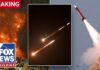
U.S. Central Command said American forces hit three Iranian crude oil tankers on Saturday. The command tied the action to Iran’s launch of ballistic missiles at two U.S. Navy ships earlier that day. The United States has framed the tankers as part of a support and finance network for Iran’s military and its partners. Officials argue the action aims to deter future attacks and protect U.S. forces and commercial shipping in and near the Strait of Hormuz.
The strike follows months of clashes at sea and in the air. Reports have detailed repeated strikes on shipping, ongoing enforcement of a U.S. maritime blockade, and Iranian moves to harass or damage tankers in the Gulf region. Each step has fed a tit-for-tat cycle. The result is greater danger for crews, insurers, and energy markets that depend on open lanes near the Strait, a narrow waterway that moves a large share of the world’s oil.
How Iran Counters The U.S. Account
Iranian statements and allied media have challenged the U.S. version of events. Iran’s foreign ministry called its actions “defensive” strikes against U.S.-linked military targets. Iranian media, citing the Islamic Revolutionary Guard, claimed two tankers exploded after passing a mined route, while the U.S. military called that report false. Other Iranian claims include labeling targeted ships “non-compliant” or “rogue” for ignoring warnings or turning off navigation systems.
These claims reflect a steady pattern. Each side points to its own reading of maritime law and self-defense. Independent verification often lags. That gap lets rival narratives harden fast, especially when video, radar tracks, or satellite imagery are not public. In such standoffs, facts that matter in court or at the United Nations may arrive long after markets and leaders have already reacted on partial information.
Why This Matters For Energy And Security
The Strait of Hormuz is a chokepoint for oil and gas flows. Any hit to traffic can push up prices and strain households and small businesses far from the Gulf. American families already face tight budgets. Higher fuel costs can raise grocery bills, shipping fees, and electricity rates. That pain feeds a broader view shared on the left and right: leaders talk big but fail to shield people from repeated shocks tied to far-off crises and opaque decisions.
For U.S. service members at sea, missile launches and suspected mines raise daily risk. For civilian crews, warnings to divert or halt sailings mean lost time and danger. For taxpayers, extended strikes and escorts cost money while Congress argues over strategy. Many Americans see a familiar loop: elites make choices behind closed doors, while ordinary people bear the costs at the pump, on utility bills, and in market swings that hit retirement plans.
The Legal And Strategic Crossroads
International law allows force in self-defense, but only when the threat is real and the response is necessary and proportionate. There is no United Nations Security Council approval for wide military action in this crisis, so both Iran and the United States stress self-defense to justify strikes. Disputes over where incidents occurred—territorial waters, exclusive economic zones, or international lanes—further cloud legal claims made by each side.
US military strikes 3 Iranian oil tankers after IRGC attacks https://t.co/zacaVPYFGN
— Jeff Hunter (@Tex1944) September 6, 2026
Strategically, both capitals seem to test red lines without triggering a full war. Past standoffs show cycles of sanctions, seizures, drone hits, missile fire, and tanker damage can grind on for months. That slow burn strains trust in government at home. Voters want clear goals, plain metrics for success, and limits on costs. Without that, each new strike feels less like protection and more like drift—managed by insiders, paid for by everyone else.
Sources:
youtube.com, reuters.com, centcom.mil, navytimes.com
© patriotnews.net 2026. All rights reserved.