
U.S. Central Command says American and allied defenses shot down every Iranian ballistic missile aimed at U.S. forces in the Middle East during an attempted surprise attack.
Story Snapshot
- CENTCOM reported all Iranian missiles were intercepted with no U.S. casualties or damage in Jordan.
- Reuters and Politico carried the U.S. account and noted forces remain on high alert.
- Iran-linked outlets issued competing claims of successful strikes at the same Jordan site.
- A fatal 2024 attack on a U.S. post in Jordan underscores the stakes of base defense.
What CENTCOM Reported About The Missile Barrage
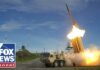
U.S. Central Command said Iran’s Islamic Revolutionary Guard Corps launched multiple ballistic missiles toward U.S. forces based in the Middle East on July 28. The command said air and missile defenses intercepted all of them before impact. The statement framed the attack as an attempted surprise strike. Reuters and Politico reported the CENTCOM account and quoted officials saying U.S. forces remain vigilant and at a high state of readiness. IranWire relayed CENTCOM’s claim of no casualties or damage in Jordan.
IranWire summarized the U.S. position that all inbound missiles aimed at a U.S. site in Jordan were destroyed in flight and caused no harm. That outlet attributed the details to the American command’s public update. The report aligned with wire coverage carried the same day, which emphasized defensive success and ongoing readiness. Officials did not release counts of missiles or interceptor shots in those summaries. Reuters likewise cited the readiness message in its piece on the incident.
Competing Claims And Prior Incidents Shape Perception
Iran’s state-linked reporting arm WANA published claims that a missile defense radar was destroyed and a U.S. F-15 was hit at the Jordan site, assertions that directly clash with the U.S. account of full interception and no damage. Such early information battles have marked prior episodes in the region, including a 2025 attempt to strike Al Udeid Air Base in Qatar that major outlets said was intercepted. The BBC reported that incoming missiles in that Qatar strike were stopped by defenses.
Americans remember that not every attack has been blunted. In January 2024, a deadly drone strike hit a U.S. and coalition outpost in northeastern Jordan near the Syrian border. The Department of War said three U.S. service members were killed and others wounded. The site supported the mission against the Islamic State group. That event remains a clear warning that gaps can be exploited and that base defense is never absolute.
Why This Matters For U.S. Troops, Taxpayers, And Policy
Repeated attempted strikes force U.S. units to keep constant watch, surge interceptors, and rotate crews under stress. High readiness helps save lives but drains people and munitions. Reuters said the command stressed vigilance and a high state of readiness after the July 28 incident. That level of alert carries costs that taxpayers fund and families feel. When defenses work, they prevent grief. When they do not, the loss is immediate and personal, as seen in Jordan in 2024.
These episodes also test Washington’s strategy. Presidents and Congress promise to protect deployed Americans while limiting wider war. When Iran fires ballistic missiles at U.S. positions, the White House and Pentagon must weigh retaliation, deterrence, and alliance politics. Allies host key bases that anchor global trade lanes and energy routes. The public wants leaders who protect troops, are honest about risks, and avoid open-ended fights that stretch budgets and break trust across party lines.
What We Know And What To Watch Next
Based on official U.S. reporting carried by major outlets, all Iranian missiles in the July 28 attack were intercepted, and there were no U.S. casualties or damage in Jordan. Iran-aligned media offered a different account of impacts at that same site. Earlier coverage documented interceptions during the 2025 Qatar attempt as well. Watch for more detail from the Pentagon and host nations, and for any follow-on U.S. actions that signal how Washington will shape the next move.
Sources:
facebook.com, reuters.com, iranwire.com, wanaen.com, english.news.cn
© patriotnews.net 2026. All rights reserved.