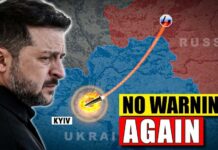

Ukraine offered to halt airstrikes if Russia pauses attacks, as U.S. envoys shuttled between Moscow and Kyiv to test a narrow ceasefire window.
Story Snapshot
- Ukraine tied a temporary ceasefire to Russia stopping strikes on energy sites.
- Kremlin aides dismissed short truces as unclear and pushed for “lasting peace” instead.
- Reports described a 32-hour Orthodox Easter pause that both sides conditioned on compliance.
- Trump’s envoys engaged both capitals as talks eyed limited, verifiable steps.
What Ukraine Put on the Table
Ukrainian President Volodymyr Zelenskyy said Ukraine would halt airstrikes if Russia stopped hitting energy infrastructure. He framed it as a temporary, reciprocal step to open space for talks. He also said the offer went to Moscow through American channels, linking it to a possible holiday truce. Reuters reported his language directly, making clear the condition and the goal: a pause that could calm cities and critical systems while diplomats worked.
Ukrainian officials also floated timing around Orthodox Easter. Media accounts described a proposed short pause with defined hours. Kyiv signaled it would respond if Russia violated the truce. The approach aimed to be narrow and testable: stop air and energy attacks for a set period, then assess if trust could build. That limited scope reflects how hard broader ceasefires are in a grinding war with daily strikes and counterstrikes.
How Moscow Answered, and Why It Matters
Kremlin spokesperson Dmitry Peskov rejected the idea of a mere temporary truce. He called Zelenskyy’s initiative unclear and urged pursuit of a lasting settlement. Later statements from Russian officials said any holiday pause would be set by President Vladimir Putin and not require Ukraine’s consent, showing preference for unilateral decisions over mutual terms. Those messages made any extension contingent on Kyiv accepting Russian conditions.
This rhetorical split reveals the core gap. Ukraine asked for a narrow, reciprocal step to lower civilian risk. Russia framed short pauses as inadequate and sought leverage for a broader deal on its terms. Analysts have seen this pattern before. Prior holiday truces brought brief lulls, then renewed attacks. Carnegie’s 2025 review found a similar pause reduced fighting for only about thirty hours, with no durable change in intent or outcomes.
What Actually Happened on the Ground
News outlets described a 32-hour Orthodox Easter ceasefire beginning on a Saturday afternoon and ending at midnight on Sunday. Reports said Ukraine would adhere if Russia did. Other coverage called it the first theater-wide pause since 2022, but also noted both sides tied compliance to the other’s behavior. That mix of hope and hedging echoed past pauses that muted long-range strikes for a short time but did not halt frontline combat or resolve core disputes.
Ukraine has proposed a temporary halt to airstrikes as US envoys Steve Witkoff and Jared Kushner travel between Moscow and Kyiv. Zelenskyy wants Russia to reciprocate while Washington pushes both sides toward renewed peace negotiations. #Ukraine #Russia #UkraineWar… pic.twitter.com/cfMnufHDkX
— NewsX World (@NewsX) September 4, 2026
As leaders argued over terms, the war’s costs remained high. The Institute for the Study of War reported heavy Russian drone and missile use across multiple months, with waves aimed at Kyiv. Those barrages strained power grids, hospitals, and daily life. For Americans watching from afar, this is the through-line: limited truces can ease suffering for hours or days, but without verification and reciprocity they rarely protect civilians for long or force leaders to compromise.
Why U.S. Shuttle Diplomacy Faces a Trust Problem
U.S. envoys moved between Moscow and Kyiv as Ukraine’s offer circulated. That effort tried to build a small, verifiable step as a base for larger talks. The challenge is simple but hard: both sides must see immediate gains in safety without seeing military risk. Short pauses can help people, but they can also let armies reposition. Without monitoring, clear terms, and consequences, each side suspects the other will use the time to prepare the next strike.
The Stakes for Ordinary People
Families in both countries want heat, power, and quiet skies. A pause that stops hits on energy sites can mean lights on and water running. That is not politics; it is survival. But leaders also weigh battlefield math. That is why every truce comes with caveats and quick blame when shells fall. For readers at home who mistrust elites, this moment fits a pattern: grand claims, narrow results, and civilians left to pay the bill while negotiators argue over definitions.
Sources:
insiderpaper.com, aljazeera.com, english.news.cn, reuters.com, pravda.com.ua, theguardian.com, newsukraine.rbc.ua, euromaidanpress.com, bbc.com
© patriotnews.net 2026. All rights reserved.