A new move to codify a six-figure H-1B visa fee could redraw who gets to work in America—and who decides that power.
Story Snapshot
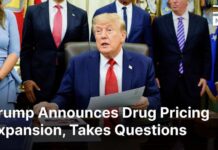
- President Trump’s team is advancing a proposal to formalize a fee of about $103,000 for new H-1B petitions.
- The fee traces back to a 2025 proclamation that required a $100,000 payment for most new H-1B cases.
- A federal judge ruled the $100,000 fee unlawful, calling it an unauthorized tax, but policy fights continue.
- Supporters cite worker protection; critics warn of harm to hospitals, schools, and small employers.
What Changed: From Proclamation To Proposed Rule
On September 19, 2025, President Trump signed a proclamation that conditioned entry for most new H-1B workers on a $100,000 payment, citing sections 212(f) and 215(a) of the Immigration and Nationality Act. United States Citizenship and Immigration Services later outlined how employers had to pay before filing or face denial. The policy took effect for petitions filed after September 21, 2025, and aimed to narrow use of the visa while allowing stated national-interest exceptions.
In 2026, the administration moved to lock the policy into regulation, proposing a fee set at about $103,265 for new H-1B petitions. The push came after the original $100,000 requirement drew legal and political fire, and after business groups and advocates raised alarms about disruption. Officials framed the change as a way to protect U.S. workers and ensure only the most valuable cases proceed, echoing the proclamation’s worker-protection goals.
The Court Clash: Is It A Fee Or An Unauthorized Tax?
A federal judge ruled the $100,000 payment unlawful, finding the president lacked authority to impose what the court viewed as a tax without Congress. That decision vacated the requirement and questioned the use of entry-restriction powers to set high payments tied to visa processing. The administration’s new proposal seeks to codify a similar amount through rulemaking, setting up a fresh test of legal footing and agency authority despite the prior ruling.
This fight goes beyond one visa category. It raises core questions about who sets immigration costs and labor safeguards. Congress has long debated high-skilled visas. Studies show mixed effects on U.S. workers, which lets both sides claim evidence. Some research finds H-1B increases reduce other employment, while other work finds gains or limited harm, fueling a policy tug-of-war with no consensus.
Real-World Impact: Employers, Workers, And Communities
Employer and advocacy groups say a six-figure barrier would sideline smaller firms, rural hospitals, and public schools that depend on specialized talent. They warn of canceled hires, research slowdowns, and service gaps in areas already short on teachers and doctors. The American Immigration Lawyers Association has argued the fee would shut out employers who need essential staff, not just big tech firms that can absorb the cost.
🇺🇸 President Trump is doing something amazing by proposing a $103,000 fee for H-1B visas! 🙌🏻
DHS estimates would prevent 76% of small businesses from importing cheap foreign labor and would force them to hire young Americans.
We have the best and brightest right here in… pic.twitter.com/bmuksIIRuA
— Tiffany Marie Brannon (@TiffanyMBrannon) August 29, 2026
Supporters argue the program has been misused and that higher costs will reduce outsourcing and protect U.S. wages. The proclamation itself framed the payment as a tool to defend American workers and refocus visas on the national interest. That message resonates with voters who feel the system favors large companies and global elites over local communities. Yet if hospitals and schools lose key staff, many will see another example of Washington’s fixes missing real-world needs.
What To Watch Next: Timelines, Carve-Outs, And Congress
The proposed rule will draw public comments and likely more lawsuits if finalized. Watch for any carve-outs for healthcare, education, or faith-based roles, which could ease community strain. Track how agencies justify the amount and authority in the rule text. Any move by Congress to legislate fees or reform H-1B caps would change the terrain, though gridlock often keeps power in the executive branch, where policy can swing sharply with each administration.
Sources:
redstate.com, employmentlawworldview.com, politico.com, natlawreview.com, reuters.com, bloomberg.com
© patriotnews.net 2026. All rights reserved.