
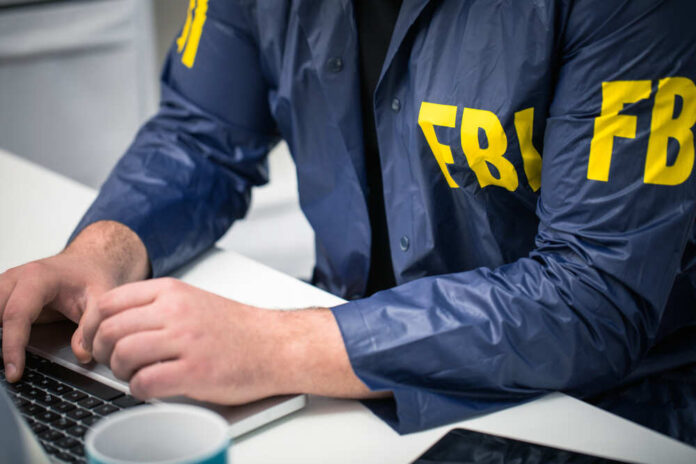
(PatriotNews.net) – FBI issues dire warning as notorious hacker group “Scattered Spider” launches coordinated attacks on major airlines, threatening passenger data and flight operations worldwide.
Key Takeaways
- The FBI has warned that cybercriminal group “Scattered Spider” is actively targeting airlines with sophisticated social engineering attacks that bypass security measures.
- Major carriers including Hawaiian Airlines, WestJet, and Qantas have already experienced disruptions, with more attacks expected as the group expands its operations.
- Unlike traditional hackers, Scattered Spider manipulates IT help desk employees rather than exploiting technical vulnerabilities, making them particularly dangerous.
- The attacks come amid a wave of aviation sector cybersecurity incidents, including the June 2024 Sea-Tac Airport ransomware attack that crippled passenger services.
- Airlines are prime targets due to their vast repositories of customer data and critical operational systems that can be leveraged for extortion.
Social Engineering Masters Target Aviation Industry
The FBI has issued an urgent warning to the aviation industry about the cybercriminal group “Scattered Spider,” which has set its sights on airlines in a concerning escalation of cyber threats. Unlike traditional hackers who exploit technical vulnerabilities, this group specializes in social engineering tactics, impersonating employees or contractors to deceive IT help desks into granting system access. Their sophisticated approach allows them to bypass multi-factor authentication (MFA) by convincing support staff to add unauthorized devices to compromised accounts.
These criminals target not only major airlines but also their third-party vendors and contractors, creating a widespread risk throughout the aviation ecosystem. Once inside systems, Scattered Spider steals sensitive data for extortion purposes and frequently deploys ransomware, potentially crippling critical airline operations. The FBI is actively collaborating with aviation partners to address this growing threat, emphasizing the importance of early reporting to prevent cascading compromises across the industry.
Major Airlines Already Under Attack
Hawaiian Airlines recently confirmed a cybersecurity incident affecting some of its IT systems, though the carrier maintained that flight operations continued without disruption. This attack bears the hallmarks of Scattered Spider’s methodology and serves as a warning to other airlines. The carrier has not disclosed the full extent of the breach or what customer data may have been compromised, raising concerns about potential passenger information exposure.
WestJet and Qantas have also reported significant cybersecurity incidents, with WestJet experiencing disruptions to internal systems and mobile app access in June 2025. Qantas suffered a breach through a third-party customer service platform, demonstrating Scattered Spider’s strategy of targeting vulnerable points in the airline service chain. These incidents highlight how the group exploits the complex web of systems and vendors that modern airlines depend upon to operate.
The Human Element: Why Traditional Security Fails
What makes Scattered Spider particularly dangerous is their exploitation of human vulnerabilities rather than technical flaws. By convincing IT help desk employees that they are legitimate users in distress, these criminals bypass even sophisticated security measures. They often claim to be new employees or contractors who have lost access to critical systems, creating a sense of urgency that pressures support staff into granting access without following proper verification protocols.
“Scattered Spider has perfected the art of social engineering, targeting the weakest link in any security system – human judgment,” said a senior FBI cybersecurity analyst. “They research their targets extensively, often using information gleaned from social media and professional networking sites to make their impersonations more convincing.”
Once inside a system, the group moves laterally through networks, establishing multiple access points to ensure persistence even if the initial breach is discovered. This methodical approach allows them to maintain access for extended periods, gathering sensitive data and planning their extortion strategies carefully before revealing themselves to victims.
Sea-Tac Attack: A Warning of What’s to Come
The FBI warning comes in the wake of a devastating ransomware attack at Seattle-Tacoma International Airport in June 2024, where the Rhysida hacker group disrupted baggage systems, check-in kiosks, and passenger displays. While this attack was carried out by a different group using different methods, it demonstrates the aviation industry’s vulnerability to cyber threats and the severe operational impacts such attacks can have.
The Sea-Tac incident forced airport staff to resort to manual processes for everything from baggage handling to passenger check-in, creating massive delays and frustrating travelers. More concerning is that the attack affected systems that were not directly connected to flight operations but still managed to cause significant disruption to the airport’s ability to process passengers efficiently.
Why Airlines Are Prime Targets
Airlines represent particularly attractive targets for cybercriminals due to their vast repositories of customer data, including payment information, passport details, and travel histories. This sensitive information can be sold on dark web marketplaces or used for direct extortion of the airlines themselves. Additionally, the critical nature of airline operations means that companies may be more willing to pay ransoms rather than face extended service disruptions.
The interconnected nature of the aviation industry also means that a breach at one organization can potentially affect many others. Airlines share data with each other through codeshare agreements, with booking platforms, and with various service providers throughout the travel experience. This creates an expanded attack surface that groups like Scattered Spider are expertly exploiting.
Protecting Against the Invisible Threat
The FBI is urging airlines and related businesses to implement enhanced verification procedures for help desk requests, including callback protocols to verify the identity of individuals requesting access changes. Regular security awareness training for all employees, especially those in customer service and IT support roles, is also critical to recognizing and resisting social engineering attempts.
Industry experts recommend implementing a zero-trust security model that requires verification for every access request, regardless of where it originates from within the network. This approach assumes that threats may already exist inside the perimeter and treats each request as potentially malicious until proven otherwise.
As the Scattered Spider group continues to refine its tactics and expand its operations, passengers should remain vigilant about their personal data and monitor their accounts for suspicious activity. The aviation industry faces a challenging road ahead in defending against these sophisticated social engineers who have found ways to bypass even the most advanced technical security measures by exploiting the human element.
Copyright 2025, PatriotNews.net