(PatriotNews.net) – Federal prosecutors are signaling that barging into a church to wage a political fight—especially one tied to immigration enforcement—can trigger serious charges, not applause.
Quick Take
- Roughly 30–40 anti-ICE protesters disrupted a Sunday service at Cities Church in St. Paul, Minnesota, confronting the congregation over the pastor’s role as acting ICE field director.
- The DOJ opened a probe under the FACE Act, treating the disruption as interference with religious exercise—not just a local disorderly conduct issue.
- Attorney General Pam Bondi and DOJ Civil Rights Division leaders publicly backed federal action, framing the case around protecting worship and law enforcement.
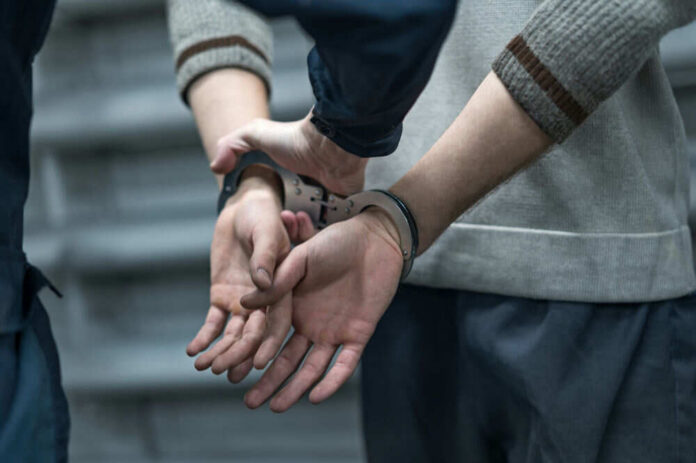
- Federal agents later arrested several people, including independent journalist Don Lemon, as the legal fight broadened into questions about protest, press claims, and conspiracy allegations.
Church Disruption in St. Paul Triggers Federal Response
Cities Church on Summit Avenue in St. Paul became the scene of a political confrontation on Jan. 18, 2026, when a group identified as Black Lives Matter Minnesota entered during worship and began chanting slogans, including “ICE out” and “Justice for Renee Good.” Reports say the group confronted church leadership about Pastor David Easterwood, who also serves as acting ICE field director in St. Paul. Easterwood was not present during the disruption.
St. Paul police responded after receiving a call, but by the time officers arrived the protesters had moved outside, and the initial handling was described in local-law terms as disorderly conduct. That distinction matters because it explains why the case didn’t stay local for long. Federal officials quickly framed the incident as more than a noisy protest, emphasizing that the target was a religious service and that congregants were gathered to worship.
DOJ Leans on the FACE Act to Protect Religious Exercise
Attorney General Pam Bondi publicly addressed the case the same day, stating she had spoken with the pastor and warning that the federal government would pursue prosecutions for attacks on law enforcement and Christians. Soon after, the DOJ Civil Rights Division, led by Assistant Attorney General Harmeet Dhillon, announced an investigation under the Freedom of Access to Clinic Entrances (FACE) Act. While the law is historically associated with abortion-clinic access disputes, federal officials indicated it can apply to interference with religious exercise.
The political and constitutional tension is obvious: Americans retain broad First Amendment rights to protest, but those rights do not include commandeering a worship service or physically intruding on a congregation’s religious gathering. The government’s posture in this case suggests a bright-line rule—protest can be loud and public, but not coercive inside a sanctuary. The available reporting does not provide full charging documents for every defendant, so the precise factual basis will ultimately be tested in court.
Arrests Expand Case to Conspiracy and Press-Freedom Claims
By Jan. 30, 2026, federal agents had made additional arrests tied to the incident, including Don Lemon, described as an independent journalist and former CNN host. Authorities also arrested Trahern Jeen Crews, Georgia Fort, and Jamael Lydell Lundy, with reporting describing allegations that include conspiracy and interference tied to First Amendment activity. Lemon’s attorney, Abbe Lowell, argued Lemon was engaged in journalism and should be protected under the First Amendment.
Those dueling narratives—law enforcement alleging coordinated interference and defense counsel claiming protected newsgathering—are not resolved by slogans. Courts typically look at conduct: what someone did, whether they coordinated with others, and whether actions crossed from documentation into participation. Current public reporting does not include all evidence claimed by prosecutors or defenses, and open investigations limit clarity. What is clear is that the case is no longer just about protest tactics; it’s also about how the government draws lines around protected activity.
Minnesota Flashpoint: Immigration Enforcement, Lawsuits, and Public Pressure
The incident unfolded amid heightened immigration tensions as the Trump administration pressed aggressive enforcement priorities. Reporting also describes a class-action ACLU lawsuit filed in late January naming Easterwood and DHS Secretary Kristi Noem, alleging racial profiling and warrantless arrests by ICE. Protesters tied their message to the death of Renee Good, described as a 37-year-old mother of three who was fatally shot by an ICE officer in Minneapolis—an allegation that has fueled public anger, though detailed verification is limited in the cited coverage.
The Protesters Who Crashed a Minneapolis Church Service are Finding Out Why It Wasn't a Good Idea
https://t.co/VTR8giNE99— Townhall Updates (@TownhallUpdates) January 30, 2026
State and city leaders were pulled into the narrative as well. Minnesota Gov. Tim Walz urged peaceful protest while denying support for disruptions, and Minneapolis Mayor Jacob Frey posted a quote tied to justice and activism. ICE, meanwhile, criticized state and local leadership, arguing they were enabling disorder. For conservatives watching this unfold, the practical issue is simple: a constitutional right to worship is meaningless if activists can shut down services without consequence—and a protest movement loses legitimacy when it targets families in pews instead of policymakers in public forums.
Sources:
Journalist Don Lemon arrested after protest disrupted Minnesota church service
Journalist Don Lemon arrested after protest that disrupted Minnesota church service
Copyright 2026, PatriotNews.net