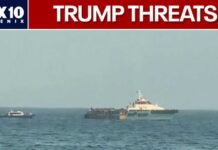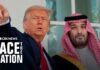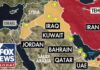


(PatriotNews.net) – A war-driven chokehold on the Strait of Hormuz is testing whether Washington can protect American energy security without sliding into yet another open-ended Middle East conflict.
Story Snapshot
- Pakistan hosted foreign ministers from Turkey, Egypt, and Saudi Arabia in Islamabad to discuss proposals aimed at reopening the Strait of Hormuz amid the wider Iran-US-Israel conflict.
- Officials discussed concepts including a possible multinational “management consortium” and a Suez Canal-style fee structure to restore predictable shipping through the chokepoint.
- Iran allowed 20 additional Pakistani-flagged vessels to transit the strait as a confidence-building measure while talks continued.
- Pakistan positioned itself as a go-between for messages involving the Trump White House and Tehran, even as Iran, the US, and Israel were not at the table.
Islamabad becomes a regional backchannel for keeping Hormuz open
Pakistan brought Turkey, Egypt, and Saudi Arabia to Islamabad on March 29–30 for high-level talks focused on de-escalation proposals tied to the Strait of Hormuz, the narrow route that carries a large share of the world’s oil shipments. Pakistan’s foreign minister Ishaq Dar hosted the sessions and held bilateral meetings as visiting ministers arrived over March 28–29. Security was tight, and a joint statement was expected after initial meetings concluded.
Pakistan’s role matters because the talks were framed as a practical attempt to stabilize shipping rather than a headline-grabbing “peace conference.” According to the reporting, Islamabad has also served as a conduit for messages between Washington and Tehran, including a Trump administration peace plan delivered through Pakistan with Iran’s responses returning via the same channel. Germany’s foreign minister, according to one report, anticipated possible direct US-Iran engagement in Pakistan soon.
What’s actually on the table: fees, a consortium, and confidence-building
The negotiating ideas described so far are mostly about maritime management, not ideological reordering of the region. One proposal discussed was a consortium-style arrangement for Hormuz operations, and another involved a Suez Canal-like model in which transiting ships pay structured fees. Turkish officials also stressed safe passage for shipping as a confidence-building step tied to any broader ceasefire effort. None of these plans were described as finalized, and the reporting left key enforcement details unresolved.
Iran’s decision to allow 20 additional Pakistani-flagged vessels through Hormuz was treated as a confidence-building measure, with passage reportedly paced at roughly two ships per day. For everyday Americans, that detail connects directly to the cost of living: any sustained disruption in Hormuz can ripple into global energy prices, and energy prices feed into everything from groceries to home heating. The talks’ immediate aim is predictability—keeping oil and trade moving without a wider escalation.
Trump’s second-term challenge: energy security without a new forever war
The politics back home are just as consequential as the diplomacy overseas. With President Trump now in a second term, the federal government’s posture on the Iran conflict—and the indirect Israel dimension—lands squarely on his administration. Many MAGA voters who cheered “America First” are split: some back a hardline deterrence posture, while others are increasingly wary of being pulled into another regime-change-style war that drains blood and treasure and does little to secure the US border or rebuild US industry.
The available reporting on Islamabad’s talks does not show a US decision for escalation; it shows regional states trying to create off-ramps tied to shipping lanes. Still, the strategic pressure point is real: Washington has strong incentives to protect freedom of navigation and keep global energy markets stable, but any move that looks like an expanded war footprint risks deepening the internal divide among conservatives who are already fed up with inflation, high energy costs, and the bitter lesson of past interventions.
Why Pakistan’s mediator bid matters—and what remains unknown
Pakistan pitched itself as a neutral mediator and emphasized diplomacy, with Dar publicly urging dialogue as the only way forward. The country also has leverage through relationships on multiple sides: ties to Saudi Arabia, working contacts that touch Washington, and communication lines into Tehran. The reports also noted Pakistan’s army chief Asim Munir meeting counterparts and being linked to US-level contacts. That makes Islamabad a plausible meeting ground even if the core belligerents are not present.
Important facts remain missing. The reporting did not provide a final joint statement, a confirmed enforcement mechanism for any consortium, or Iran’s binding acceptance of a long-term governance plan for Hormuz. It also did not spell out what “fees” would look like in practice or how disputes would be adjudicated. For US readers who care about constitutional accountability, those gaps matter because any American military step-up would require clear objectives, clear limits, and transparent justification—not vague commitments that can expand quietly.
Sources:
https://www.al-monitor.com/originals/2026/03/pakistan-hosts-saudi-turkey-egypt-talks-mideast-war
Copyright 2026, PatriotNews.net