
(PatriotNews.net) – Governor Pritzker accuses President Trump of dementia following the controversial deployment of National Guard troops to Illinois.
Story Highlights
- Texas National Guard troops deployed to Illinois on October 8, 2025.
- Governor JB Pritzker accuses President Trump of suffering from dementia.
- Trump calls for the imprisonment of Pritzker and Chicago Mayor Brandon Johnson.
- Deployment occurs despite Chicago’s decrease in violent crime.
- Federal-state tensions escalate over immigration enforcement.
National Guard Deployment Sparks Controversy
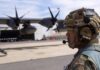
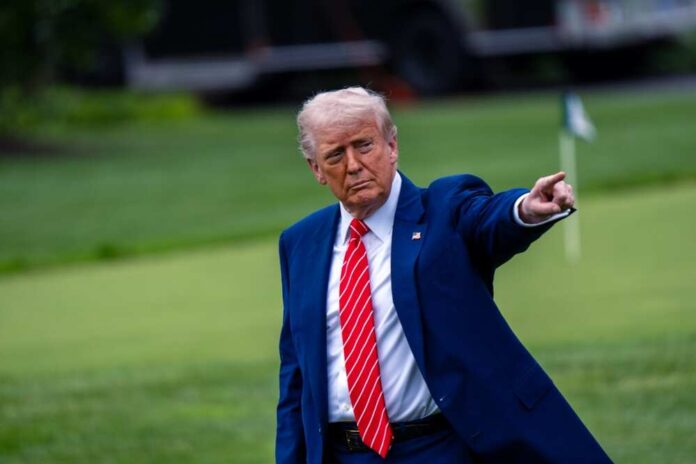
On October 8, 2025, Texas National Guard troops arrived in Illinois following President Trump’s directive to deploy federal forces to Chicago, despite state opposition. The move came amidst Illinois Governor JB Pritzker’s public suggestion that President Trump, aged 79, is suffering from dementia, questioning the president’s decisions and mental fitness. This development marks a significant escalation in federal-state tensions, particularly regarding immigration enforcement and urban policing.
President Trump justified the deployment by citing the need to protect federal buildings and maintain order in the face of protests against aggressive immigration enforcement. However, Chicago has recorded an unprecedented decrease in violent crime this year, contradicting the administration’s justification for military intervention based on public safety concerns. This discrepancy raises questions about the true motivations behind the deployment, as some view it as a political maneuver rather than a security necessity.
Pritzker’s Accusations and Legal Challenges
Governor Pritzker’s accusation of dementia against President Trump adds a new dimension to the ongoing conflict. Pritzker’s comments were made to the Chicago Tribune, where he claimed Trump “doesn’t know anything that’s up to date,” further intensifying their political rivalry. In response to the deployment, Pritzker and Chicago Mayor Brandon Johnson filed a lawsuit attempting to block the federal forces, although a judge declined to temporarily override Trump’s order, allowing the deployment to proceed.
Despite the legal setback, the deployment has sparked widespread debate about the constitutional implications and federalism principles. Pritzker, who has consistently opposed Trump’s policies, argues that the deployment is an attempt to militarize cities to influence the upcoming 2026 elections by impeding voting efforts in Democratic strongholds like Chicago. This claim highlights the political undercurrents that accompany the deployment and its potential impact on future electoral dynamics.
Implications for Federal-State Relations
The deployment of National Guard troops to a non-requesting state over explicit opposition challenges fundamental principles of federalism and state sovereignty. Trump’s threat to imprison elected officials like Pritzker and Johnson for policy disagreements represents an unprecedented assertion of federal power, raising significant constitutional questions. Additionally, the confrontation intensifies tensions over sanctuary policies and federal-state cooperation on immigration enforcement.
Senator Thom Tillis’s questioning at the Senate Judiciary Committee hearing reveals skepticism even within Trump’s own party about the deployment strategy’s effectiveness. Concerns about whether military intervention addresses underlying issues or merely provides temporary relief underscore the broader debate over law enforcement and civil-military relations. The deployment’s occurrence amidst declining crime rates further complicates the narrative, suggesting political motivations may overshadow security considerations.
Copyright 2025, PatriotNews.net