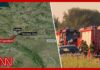
As rivers in Texas push toward historic levels again, crews race to save lives in the same Hill Country communities that watched more than 130 people die in floods just last year.
Story Snapshot
- At least two people are dead and more than 200 have been rescued from Texas floodwaters after days of heavy rain.
- Rivers like the Guadalupe have surged dozens of feet in hours, forcing evacuations and road closures across Hill Country towns.
- Flash flood emergencies now cover many of the same areas shattered by the July 2025 Camp Mystic disaster, raising fears that lessons went unlearned.
- Confusing early reports and dramatic social media coverage highlight a deeper problem: Americans doubt whether leaders can manage repeat disasters.
Deadly Floods Hit Texas Hill Country Again
Emergency crews across central and southern Texas have spent several days pulling people from trucks, homes, and mobile trailers as floodwaters rise fast. At least two people have died so far, including a man swept away in a mobile home near Kerrville and a woman who was caught by high water while driving near Uvalde. Officials say more than 200 people have been rescued from rising waters, with counts changing as new rescues are reported. Hundreds have fled to shelters at places like the Uvalde County Fairplex and local colleges as rivers spill over their banks and low-lying neighborhoods go under.
Texas Governor Greg Abbott says more than 1,300 emergency workers are on the ground, backed by over 85 boats, 20 aircraft, and about 200 high-clearance vehicles. These crews have scrambled to answer nonstop calls for help as water covers roads and traps families in their homes and cars. Some rescues have come by helicopter, with video showing crews lifting people from rooftops and from vehicles surrounded by fast-moving water. Even with this heavy response, the simple fact that so many needed saving again, in the same region, has raised hard questions about planning and protection.
Rivers Rising Toward Historic Levels
The worst flooding is hitting the Texas Hill Country, a hilly region northwest of San Antonio known for quick, deadly flash floods. The National Weather Service has issued flash flood emergencies for towns such as Kerrville, Hunt, Uvalde, and Knippa, its highest warning level. River gauges along the Guadalupe River show water jumping tens of feet in just a few hours, including rises of around 30 feet near Center Point and nearly 29 feet near Comfort. Near Camp Mystic, the river reached about 20.5 feet, just under the level that starts to flood homes and roads, and forecasters warned it could crest near last year’s record.
These numbers matter because last July the same river shot up to about 37.5 feet, killing more than 130 people across central Texas, including many campers and staff at Camp Mystic. That flood was one of the deadliest in modern Texas history, and scientists later showed how a stalled storm and rocky ground turned heavy rain into a sudden wall of water. Now, with gauges rising quickly again and some rivers “up to the top of the banks,” residents see fresh warnings mixed with painful memories. Many wonder if the state and federal government truly changed anything or simply moved on after the funerals and headlines.
Confusing Numbers, Familiar Distrust
As in past disasters, early reports from this week’s flooding have been messy. Some news outlets first reported a single death, while later briefings confirmed at least two fatalities. Rescue counts have shifted from about 75 to more than 230 as agencies update their numbers and new operations are logged. This kind of changing data is common in fast-moving emergencies, but to many citizens it looks like government and media cannot give straight, steady information when it matters most.
For Americans who already feel that the “deep state” protects itself more than ordinary people, those mixed messages deepen mistrust. Both conservatives and liberals see a pattern: when disaster strikes, officials hold press conferences, praise first responders, and promise reviews, yet the same communities get hit again with similar chaos. Even the way this event is covered shows the gap. Many stories lead with emotional video and repeat links to the 2025 Camp Mystic tragedy, while giving fewer hard facts on current shelter capacity, infrastructure damage, or long-term safety fixes. People are left feeling scared but not clearly informed.
Climate Blame, Local Risk, and Everyday Costs
Scientists and commentators are split on the deeper cause of these repeated Texas floods. One long-term study of heavy rain in Kerrville found no clear trend toward more extreme rainfall over 133 years, even as carbon dioxide levels rose. Other research, and at least one recent study, argue that climate change has likely made extreme downpours more intense in Hill Country and raised overall flood risk. Ordinary residents see the debate but mainly care about what is happening on the ground right now: fast water, lost homes, and rising insurance costs.
Colorado Task Force 1 called to assist with water rescues from floods in Texas ⬇️https://t.co/A5J4HmlHhY pic.twitter.com/Cgl340xSCl
— KKCO 11 News (@KKCO11News) July 17, 2026
The Texas Hill Country is sometimes called “Flash Flood Alley” because its steep hills, thin soil, and winding rivers turn heavy rain into sudden flood waves. Local land use changes, more pavement, and growing development near rivers also push more runoff into channels, making floods worse even when rainfall totals look familiar. For many Americans watching this from other states, the story fits a broader worry. They see a federal government that talks about climate, infrastructure, and safety, yet allows people to live in obvious danger zones without clear plans to protect them or to help them move to safer ground.
Repeat Disasters and a Failing System
One year after the Camp Mystic catastrophe, many survivors are still rebuilding homes, businesses, and churches in the Texas Hill Country. Now they face new evacuations, more damage, and another round of promises from leaders in Austin and Washington. Conservatives see a system that pours money into overseas projects, green energy programs, and big-city agendas while small communities face deadly floods with aging bridges and thin local budgets. Liberals see a system that allows risky development, cuts social supports, and pushes poor and working-class families into the cheapest land, often the most dangerous.
On both sides, people recognize the same uncomfortable truth. When rivers rise and roads crumble, it is neighbors, volunteers, and local crews in boats and helicopters who show up first and risk their lives. Federal agencies and politicians arrive later, name the disaster, and often leave before deep fixes are made. This week’s floods in Texas, coming so soon after a mass-casualty event in the same region, highlight more than extreme weather. They show a country where repeated warnings, deadly lessons, and clear risks still struggle to overcome the inertia of a government many now see as distant, slow, and captured by elites rather than driven to protect its citizens.
Sources:
washingtontimes.com, washingtonpost.com, cnn.com, bostonglobe.com, youtube.com, gov.texas.gov, fema.gov, aljazeera.com, snopes.com, tdi.texas.gov, pbs.org, texaslawhelp.org, tdhca.texas.gov, wsj.com
© patriotnews.net 2026. All rights reserved.