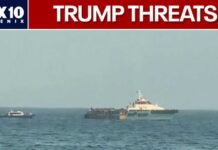
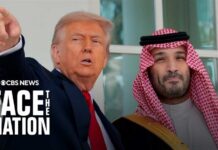
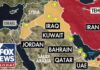
(PatriotNews.net) – Iran’s blockade of the Strait of Hormuz is squeezing the world’s oil lifeline—and President Trump is now openly warning NATO that refusing to help could have “a very bad future” for the alliance.
Quick Take
- President Trump is urging NATO allies and key Asian nations to deploy warships to help reopen the Strait of Hormuz after Iran blocked it during a widening U.S.-Iran conflict.
- Several NATO members reportedly rejected direct participation, while a few signaled only limited, non-offensive support—deepening tension inside the alliance.
- The Strait of Hormuz is a narrow chokepoint that carries a major share of global oil shipments; the disruption is already driving oil-price spikes.
- Analysts say reopening the route could require sustained naval escorts and possibly operations to neutralize missile and drone threats along the strait.
Trump Presses Allies as Hormuz Crisis Drags Into a Third Week
President Donald Trump is pressing NATO allies—and separately calling out major Asian economies such as China, Japan, and South Korea—to send naval forces aimed at reopening the Strait of Hormuz. Reports describe the conflict as entering its third week after U.S. military action against Iran led to Iranian moves that effectively blocked the strait for many shippers. Trump has publicly argued that keeping the sea lane open is a global interest, not a U.S.-only burden.
On March 16, Trump said “numerous countries” were on the way to help, but no public, specific commitments were confirmed in the reporting that followed. By March 18, multiple outlets described allied resistance as the defining reality: some governments reportedly rejected participation outright, while others indicated they might consider non-offensive help. The gap between Trump’s expectation of burden-sharing and what allies are willing to provide has become a central pressure point.
NATO’s Split: Outright “No” vs. Limited Support
Reporting indicates that Germany, Spain, and Italy declined involvement, while the United Kingdom, Canada, and Denmark were described as open to limited or non-offensive assistance. That distinction matters because “help” can mean very different things: intelligence sharing, logistics, or defensive escort operations are politically easier than joining strikes or pushing directly into contested waters. Trump’s comments have underscored that he views the refusals as strategically shortsighted given how much allied economies depend on stable energy flows.
The political fallout is not just about ships—it is about alliance expectations. Trump has warned that NATO faces a “very bad future” if members refuse to help on an issue he frames as essential to global economic stability. From a constitutional, America-first perspective, the standoff also revives an old question: if U.S. taxpayers and service members are expected to underwrite global security, what concrete obligations do wealthy allies actually accept when the costs and risks become real?
Why Hormuz Matters: A Chokepoint With Immediate Pocketbook Impact
The Strait of Hormuz is only about 21 miles wide at its narrowest point, but it carries an enormous share of global oil trade—commonly described as roughly one-fifth of the world’s oil shipments. When that artery constricts, prices spike quickly, and the shock travels from fuel pumps to grocery bills. That reality is why the blockade is more than a foreign-policy headline; it is a direct inflationary pressure on households and businesses already wary of economic instability.
Iran has threatened some form of closure for decades, treating Hormuz as leverage during confrontations over sanctions and military pressure. Past crises included the 1980s “Tanker War” and the 2019 round of seizures and incidents, but current reporting characterizes this episode as an unusually severe disruption during active hostilities. Iran’s stated position, according to reports, is that the strait remains open except to “enemies,” a formulation that adds uncertainty for commercial shipping and insurers trying to price risk.
Operational Reality: Reopening the Strait Is Not a One-Day Job
Analyst commentary cited in reporting suggests the U.S. campaign hit initial targets and then became more complicated, with the harder problem being how to protect shipping over time from missiles and drones positioned along Iran’s coastline and nearby islands. One scenario discussed involves sustained naval escorts; another includes more aggressive steps such as preemptive strikes or operations aimed at removing threats from strategic terrain. Reporting referenced Qeshm Island as an example of terrain that could be relevant to neutralizing threats.
The longer the situation persists, the more it tests both U.S. staying power and allied unity. One reported complication is mixed messaging inside the U.S. government itself, including the reported resignation of a senior counterterrorism official who disputed the idea of an imminent Iranian threat. That internal disagreement does not, by itself, resolve the strategic facts on the water: ships still need safe passage, and reopening a contested chokepoint typically demands clear objectives, sustained resources, and—if the White House seeks it—credible coalition buy-in.
Sources:
Trump warns NATO faces ‘very bad future’ if allies fail to help open Hormuz strait
Copyright 2026, PatriotNews.net