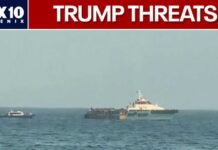

U.S. Central Command says it struck Iranian radar and control sites after Tehran launched drones and missiles toward key Gulf targets, and Iran now threatens to escalate as talks stall.
Story Snapshot
- Central Command reports self-defense strikes on Goruk and Qeshm Island targeting Iranian radar and control infrastructure [1][2].
- Command statements say U.S. forces intercepted multiple Iranian attack drones near the Strait of Hormuz [3].
- Iranian officials denounce the U.S. action, warn of retaliation, and claim diplomacy is at a deadlock [6].
- Early reports underscore the recurring fog of war: competing narratives and limited verifiable data in the first hours [1][6][7].
CENTCOM Cites Self-Defense After Iranian Drone and Missile Activity
United States Central Command reported conducting strikes on Iranian military sites in Goruk and on Qeshm Island following attempted attacks by Iran across the Middle East. Command statements identified an Iranian military ground control station and radar-linked assets as targets near the Strait of Hormuz, a chokepoint for global energy shipments [1][2]. Officials framed the operation as self-defense aimed at blunting imminent or ongoing threats to United States forces and commercial shipping, with no reported American casualties in the immediate aftermath [2].
Reporting citing Central Command indicates United States forces intercepted several one-way Iranian attack drones in the area before or during the strikes, underscoring a clear operational focus on air and maritime protection near high-traffic sea lanes [3]. Video packages from multiple outlets amplify the claim that radar and surveillance nodes supporting hostile launches were degraded, though independently verifiable detail on damage assessments remains limited at this stage [3][4][5]. Early U.S. messaging emphasizes deterrence and rapid neutralization of launch-enabling systems [1][2].
Iran Signals Retaliation as Diplomacy Falters
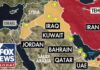
Iranian officials and state-aligned voices immediately labeled the United States action as aggression and warned that further escalation could follow if strikes continue. Broadcast reports capture rhetoric that the United States “understands the language of missiles,” reflecting Tehran’s posture that negotiations are at a deadlock and force will meet force [6]. Regional updates referenced Iranian missile launches toward Bahrain and Kuwait amid the exchange, intensifying concern about spillover risks for partners and oil infrastructure in the Gulf [6][7].
This pattern tracks prior U.S.–Iran standoffs: initial claims of self-defense by Washington, counter-claims of unlawful aggression from Tehran, and a tight information window dominated by official communiqués while underlying data stays classified. In such moments, battlefield access is restricted and the first public narratives harden before independent verification catches up, leaving citizens and markets to parse partial, sometimes conflicting, details [1][6][7]. Conservative readers know this playbook well from decades of Gulf flashpoints.
Why The Strait Of Hormuz Still Matters For American Families
Energy security sits at the heart of this fight. The Strait of Hormuz remains a global artery for oil and gas, and radar or drone hubs aimed at threatening shipping can rattle prices that punish American families through fuel costs and inflation ripples. Central Command’s emphasis on neutralizing nodes that enable drone and missile launches aligns with a core priority: keep sea lanes open, deter hostile actors, and prevent shocks that drive up prices at the pump or strain supply chains [1][2][3].
US claims to strike 4 drones and Iranian radar sites as tensions escalate amid stalled peace efforts
Amid the brewing crisis in West Asia, the US military said on Friday that it has shot down four Iranian “one-way attack drones” that were launched from the Strait of Hormuz. In… pic.twitter.com/4lSoDgGNRk
— News18 (@CNNnews18) June 6, 2026
For a United States audience weary of past globalist drift and expensive entanglements, the administration’s task is clear: act decisively to protect Americans and partners, avoid open-ended commitments, and demand accountability from a regime that has long targeted regional stability. The message from the battlefield claims is straightforward—destroy the capability that threatens our ships and personnel, then keep pressure on Tehran to change cost-benefit calculations without handing it propaganda victories [1][2][3][6].
What To Watch Next: Proof, Proportionality, And Deterrence
Three questions now matter. First, verification: expect incremental releases—imagery, intercept logs, and debris analyses—that can substantiate claims about drones launched and systems destroyed. Second, proportionality: Washington says the targets were military control and radar sites tied to attacks; outside confirmation will shape global reaction. Third, deterrence: if Iran widens strikes on neighbors or maritime traffic, expect rapid follow-on measures aimed at neutralizing additional launch and surveillance nodes before they threaten Americans or allies [1][2][3][6][7].
Sources:
[1] Web – JUST IN: Central Command Announces Strikes in Goruk and Qeshm Island …
[2] Web – US forces strike Iran’s Qeshm Island after ‘attempted’ Iranian attacks
[3] Web – US Strikes Iran’s Qeshm Islands As Tehran Fires Missiles At Kuwait …
[4] YouTube – Struck Iranian Radar Sites in Goruk & Qeshm Island
[5] YouTube – Explosions, Fireballs Near Tehran As US Bombs IRGC Radar Sites
[6] YouTube – US Strikes Iran! IRGC Blinded After Hormuz Fire As Trump’s Military …
[7] YouTube – Iran targets Bahrain and Kuwait as US launches strikes on Qeshm …
© patriotnews.net 2026. All rights reserved.