
(PatriotNews.net) – When both the president and first lady of a nation land behind bars together, the question isn’t just “what went wrong?” but “what does this do to a country’s faith in its own leaders?”
Story Snapshot
- South Korea witnesses its first simultaneous jailing of a former president and first lady.
- Allegations against Kim Keon Hee span bribery, stock manipulation, and political interference.
- The arrest follows the impeachment and imprisonment of ex-president Yoon Suk Yeol after a failed martial law attempt.
- The scandal intensifies debates over corruption, power, and accountability in South Korean politics.
Simultaneous Arrests Shatter Political Precedent
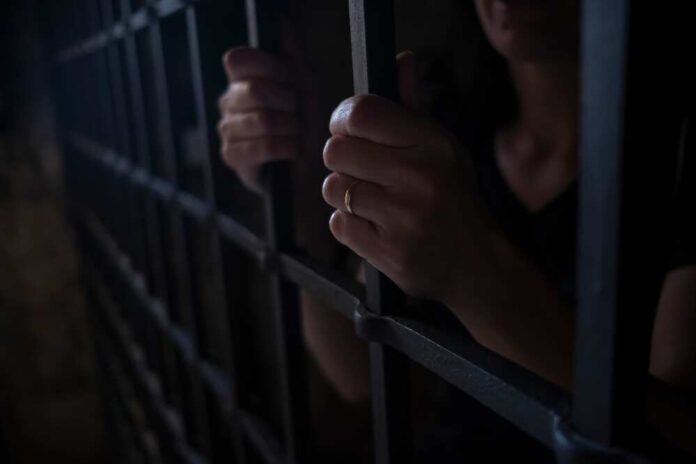
South Korea’s corridors of power shuddered on August 13, 2025, when former first lady Kim Keon Hee was led away in handcuffs, a scene unprecedented even in a country accustomed to political drama. Her husband, ex-president Yoon Suk Yeol, already sat in a prison cell, convicted of insurrection and abuse of power after his spectacular fall from grace just months earlier. Now, the nation’s most-watched couple share a dubious honor: both incarcerated, both at the center of a storm that has rattled every pillar of South Korean governance.
Kim faces charges that would make even the most jaded political observer pause: bribery, stock manipulation, and meddling in the machinery of candidate selection. The court’s decision to grant her arrest, citing the risk of evidence destruction, speaks volumes about the gravity of the case and the vigor with which prosecutors are now pursuing the once-untouchable. The People Power Party, Yoon’s political home, has watched its ranks splinter as the investigation exposes the rot beneath its reformist veneer.
From Reformist Hopes to Political Catastrophe
Yoon Suk Yeol rode to the presidency on promises of clean government and justice, but his term quickly devolved into gridlock and mounting allegations of corruption. The breaking point arrived on December 3, 2024, when he attempted to impose martial law during a tense standoff with the opposition, a move the National Assembly overturned with rare speed. Impeachment followed, and by April 2025, Yoon was formally removed from office. The descent did not end there; he cycled through release and rearrest as the courts peeled back layers of alleged misconduct.
Kim Keon Hee’s own troubles had been brewing in the background: accusations of stock price rigging, allegations she accepted luxury goods from religious organizations, and persistent rumors of her hand in shaping party candidate lists. Each revelation chipped away at the public’s patience, and as the liberal government in Seoul launched special prosecutions, the circle closed. On August 13th, Kim was arrested, the court unmoved by her public apology and insistence that she was “a nobody.”
Legal Reckoning and Political Fallout
The arrest of both Yoon and Kim has forced a reckoning not just within the People Power Party, but across South Korea’s political class. Former presidents Park Geun-hye and Lee Myung-bak both served jail time for corruption, but never before had the nation seen a first couple behind bars together. The symbolism is potent, corruption and abuse of power, once whispered about in private, now stand exposed in the harshest public light.
Prosecutors have made clear their intent: no one, not even the president’s spouse, is above the law. Special Prosecutor Min Joong-ki leads a team tasked with restoring public trust, while the People Power Party scrambles to contain an exodus of support. The new liberal government, eager to distance itself from its predecessor’s scandals, grants wide latitude to the investigation. The risk is not just legal but political, South Korea’s democracy, after decades of hard-won progress, stands at an inflection point, its institutions tested by scandal and its citizens weary of empty promises.
Uncertain Future for South Korean Democracy
Both Kim and Yoon now await further legal proceedings, their fates entwined with the nation’s appetite for justice and reform. The investigation is far from over, with additional questioning and possible indictments on the horizon. The People Power Party faces a crisis of leadership, its moral authority battered as details of bribery and backroom dealings emerge. The financial sector faces new scrutiny, while religious organizations, especially the Unification Church, brace for fallout from claims of illicit influence.
This case, legal scholars note, may set precedents that shape South Korean politics for decades. Some argue that rooting out corruption at the highest levels is essential for the health of the republic; others warn that aggressive prosecutions risk deepening partisan divides. What cannot be denied is the deep public cynicism now shadowing political elites, and the fierce demand for real transparency. South Korea’s experiment with democracy has entered a turbulent chapter, and the world is watching to see, will this reckoning lead to lasting reform, or simply another cycle of scandal and resignation?
Copyright 2025, PatriotNews.net