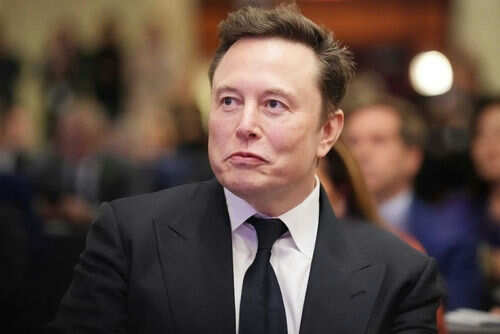
(PatriotNews.net) – The European Union’s latest move against Elon Musk’s X shows just how far unaccountable global bureaucrats will go to control American speech and values beyond our own borders.
Story Snapshot
- EU slaps X with a $140 million fine under its new Digital Services Act for alleged violations.
- Case marks the first major punishment under the EU’s sweeping online speech and content-control regime.
- The fight highlights a growing clash between European regulators and American free-speech traditions.
- Outcome could shape how much foreign governments can police what Americans say online.
EU Deploys Digital Services Act Against Elon Musk’s X
The European Union announced a $140 million penalty against Elon Musk’s social media platform X, accusing the company of violating the bloc’s new Digital Services Act, a far-reaching tech law that tightens oversight of large online platforms. Regulators claim X failed to fully comply with requirements on content moderation, transparency, and the handling of what Brussels labels “illegal” or “harmful” material. This is the first time the EU has formally sanctioned a tech platform under this expansive regulatory framework.
European officials framed the fine as a necessary enforcement step to ensure big platforms remove disfavored content more quickly, especially around elections, migration, and public health debates. The Digital Services Act gives Brussels sweeping authority to demand algorithm changes, data disclosures, and faster takedowns, backed by heavy financial penalties for noncompliance. Critics warn such powers effectively allow unelected bureaucrats to pressure platforms into policing opinions, not just genuine criminal activity, under the guise of “online safety.”
Why Conservative Americans Should Care About a Brussels Tech Law
Conservative Americans watching from across the Atlantic see a familiar pattern in the EU’s action against X: broad speech rules, vague definitions of “harm,” and government regulators leaning on private companies to silence unpopular viewpoints. For years, many on the right have argued that U.S. progressives admired Europe’s centralized approach to regulation, hoping to import similar controls here. The Digital Services Act now stands as a live test of how far a modern Western government will go to supervise online conversations.
Elon Musk has positioned X as a platform more open to debate than its predecessor, rolling back some of the aggressive moderation policies that conservatives argued were weaponized against dissenting views on COVID, gender ideology, climate policy, and border security. That shift drew praise from free-speech advocates, but it also invited scrutiny from governments and legacy media that had grown comfortable with tighter message control. The EU’s fine signals that Brussels is prepared to use its market power to pressure tech firms back toward top-down narrative management.
Free Speech, Sovereignty, and the Reach of Global Regulators
The United States has long anchored its public square on the First Amendment, protecting speech that many officials and activists may find offensive, misguided, or simply inconvenient. In contrast, European regulators routinely carve out exceptions for speech they label “hate,” “disinformation,” or “extremism,” and now the Digital Services Act codifies that mindset in hard law with steep penalties. When platforms like X operate globally, they face constant pressure to harmonize policies, which risks dragging American users under European-style rules by default.
Conservatives are increasingly asking whether foreign bureaucrats should be able to influence what Americans can read, post, and discuss on platforms that are headquartered in the United States and used heavily by U.S. citizens. If complying with EU mandates requires X to design moderation tools that automatically suppress certain viewpoints, those same tools rarely stop at Europe’s border. The effect can be a quiet, backdoor importation of softer speech standards into the American marketplace of ideas, without voters or Congress having any meaningful say.
Big Tech, Globalism, and the Battle Over Who Sets the Rules
For years, conservative critics accused Big Tech and Western political elites of marching in lockstep toward a globalized regulatory regime where national sovereignty and constitutional protections take a back seat to transnational standards. The EU’s aggressive enforcement of the Digital Services Act against X fits neatly into that concern. By setting rules for how large platforms must handle content and imposing multimillion-dollar penalties for defiance, Brussels effectively acts as a global speech referee, particularly for U.S.-based companies that rely on European markets.
With President Trump back in the White House and promising to dismantle federal censorship and crack down on woke government pressure campaigns, many conservative voters see a sharp contrast between Washington’s current posture and Europe’s regulatory ambitions. The clash over X’s alleged violations is not just about one company’s fine; it is about whether the next generation of online discourse will be governed by national constitutions rooted in individual liberty or by international bureaucracies eager to decide which ideas are “safe” enough for the public to see.
Copyright 2025, PatriotNews.net