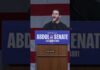
A Democrat congressman is calling Bill Pulte Trump’s “worst and most dangerous” appointment, but the real fight is over whether Trump can finally rein in an intelligence bureaucracy many conservatives believe has gone rogue.
Story Snapshot
- Rep. Jim Himes brands Bill Pulte’s acting intelligence role as Trump’s “worst and most dangerous” appointment, echoing a wider Democrat media panic.
- Trump picked Pulte, a housing reformer, as **acting** Director of National Intelligence while openly saying he will not be the permanent nominee.
- Critics rage over Pulte’s lack of national security background; supporters see a chance to clean up politicized spy agencies and protect civil liberties.
- The clash reveals a deeper struggle over who controls America’s intelligence machine: elected leadership or entrenched, unelected insiders.
Democrats and Media Paint Pulte as a National Security Catastrophe
Democrat congressman Jim Himes, the ranking member on the House Intelligence Committee, has seized on Bill Pulte’s appointment as acting Director of National Intelligence to warn that Trump has made his “worst and most dangerous” personnel choice yet.[1] His criticism mirrors a rapid escalation in Democrat messaging and liberal media coverage, which highlight that Pulte currently leads the Federal Housing Finance Agency and chairs Fannie Mae and Freddie Mac rather than coming from a traditional intelligence background.[1][2] By stressing that Pulte manages a ten trillion dollar housing portfolio while stepping into the intelligence post, these critics frame him as unqualified, risky, and overwhelmed during a tense global environment.[1][2] Their arguments lean heavily on the idea that only career insiders should run America’s sprawling network of eighteen intelligence agencies, reinforcing the same closed circle that many conservatives believe enabled past abuses.
CBS News and other outlets underline that Pulte has “zero national security experience” and will keep his housing role, using that fact to question his fitness and the seriousness of Trump’s decision.[1][2] Democrat Senator Mark Warner has gone further, calling Pulte a “national security risk” and pointing to statutes that typically expect extensive national security experience for a Director of National Intelligence.[1] Liberal commentary also recycles allegations about Pulte’s prior handling of confidential information inside housing finance, arguing that someone accused of misusing sensitive data should not be trusted with the nation’s most guarded intelligence.[3] For many legacy media voices, the Pulte debate is not just about one appointment; it is another opportunity to portray Trump as reckless, hostile to institutions, and surrounded by so-called dangerous loyalists.
Trump Signals a Temporary Reform Role, Not a Permanent Spy Chief
President Trump has been clear that Bill Pulte is a temporary choice, installed under existing law as an acting official while the administration evaluates long-term nominees.[1] He told reporters at the White House that Pulte will not be the permanent Director of National Intelligence and that other candidates are already being interviewed for the job.[1] Under federal vacancy rules, acting officials can generally serve up to two hundred ten days without Senate confirmation, which gives any president space to move quickly while avoiding an immediate confirmation battle.[1] Trump has also emphasized that an acting status can “give you more power” to push reforms, a point that alarms Democrats precisely because it suggests the administration intends to challenge the entrenched culture inside the intelligence bureaucracy.
The White House, for its part, has framed Pulte as a “battle-tested reformer” with “deep experience safeguarding highly sensitive information and overhauling massive government institutions.”[2] Supportive statements from Republican allies stress that Pulte has managed some of the most sensitive American financial data and more than ten trillion dollars in assets at Fannie Mae and Freddie Mac, arguing that such a track record shows he can be trusted with complex systems and confidentiality.[2] From this perspective, the main job of an acting intelligence chief is not to be the top analyst on Iran or China but to bring in fresh oversight, cut bloat, and refocus agencies on protecting Americans instead of playing domestic politics. That view aligns with the long-standing conservative frustration over surveillance abuses, secret leaks, and perceived hostility toward America First policies.
Outsider Versus Insider: Who Should Control the Intelligence State?
The fight over Pulte’s appointment fits a familiar pattern in Washington, where battles over intelligence posts often come down to whether competence is defined by deep policy specialization or by management and accountability skills. Critics insist that only career national security experts should coordinate classified intelligence across government, warning that outsiders threaten stability and might politicize sensitive decisions. Yet conservatives remember years of leaks, biased assessments, and resistance from within the intelligence community to Trump’s agenda, and they question whether the old model has truly kept Americans safe or simply protected a powerful insider class. For many on the right, an outsider like Pulte represents a chance to ask hard questions the permanent bureaucracy would rather avoid.
At the same time, the use of an acting appointment lets Trump test reforms without locking in a long-term choice, and it exposes the double standard in how critics talk about authority.[1] When unelected intelligence officials quietly steer policy, the same voices now attacking Pulte rarely complain about democratic legitimacy. However, when a president chosen by voters uses lawful tools to place a manager he trusts over those agencies, the move is labeled dangerous, even when explicitly temporary.[1] That reaction explains why Himes’s “worst and most dangerous” language resonates more as a defense of the old intelligence order than as a measured assessment of Pulte’s actual statutory authority. For constitutional conservatives, the deeper danger is an intelligence system that believes it should police presidents rather than serve them under the law.
Sources:
[1] Web – Himes says Pulte in intelligence role is Trump’s “worst and most …
[2] YouTube – Bill Pulte appointed as Acting Director of National Intelligence
[3] Web – Trump names controversial housing official Bill Pulte as acting …
© patriotnews.net 2026. All rights reserved.