
Iran is moving to turn wartime leverage into lasting control over the world’s most vital oil chokepoint.
Story Snapshot
- Iran says new rules let it direct, deny, and charge ships in the Strait of Hormuz.
- U.S. officials and experts counter that transit rights cannot be restricted by one state.
- Shipping has plunged, showing real-world impacts far beyond political talk.
- Both sides trade strikes while insurers and shippers wait for clear, durable safety.
What Iran Is Demanding at Hormuz
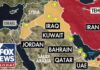
Senior Iranian sources told Reuters on July 1 that Iran wants formal control over how ships enter and exit the Strait of Hormuz. They said Iran claims the right to deny entry to vessels it views as threats and to charge fees for services it says are required for safe passage. Iran has also told global bodies it has authority over parts of the strait, framing this as sovereignty and security, not a temporary wartime fix.
These demands come with force behind them. The Associated Press reported that Iran fired on vessels after pulling back an earlier decision to reopen the waterway, tying actions to pressure on the United States over port blockades. Al Jazeera coverage has tracked Iran’s warnings that foreign ships must follow its rules or face targeting, which signals an effort to turn control claims into daily practice. Together, this pairs legal language with coercive behavior.
How Washington and Maritime Law Push Back
The United States rejects Iran’s claim to set the terms. A widely cited legal view holds that international law protects transit passage through such straits and does not allow a single country to impose fees or demand permission for routine commercial traffic. A maritime-law expert told CNBC that Iran is not allowed to control traffic through Hormuz and that the international community has a continuing right to pass without impediment.
U.S. rhetoric is backed by military moves meant to keep routes open. Reporting on the 2026 campaign shows U.S. strikes aimed at reopening the strait after closures and threats disrupted shipping. This operational stance matches long-held U.S. policy that freedom of navigation underpins energy security and global trade. Still, public legal filings refuting Iran’s specific reading of any recent memorandum have not been released in detail in the current record.
What the Data Say About Real-World Shipping
While both sides claim the upper hand, ships and insurers make choices based on risk. Reuters reported traffic through Hormuz fell to less than ten percent of normal even during a ceasefire window, showing how fear and confusion can freeze trade even without a formal closure. Analysts warn insurers will not fully return until there is proof the threat has dropped and rules are stable, like a lasting ceasefire or a clear political deal.
Energy and shipping disruptions ripple into daily life. When tankers stall, fuel costs can jump, supply chains slow, and prices rise. Families and small businesses feel that first. Many Americans on both the right and the left see this and ask why the richest, most powerful institutions cannot protect basic flows of trade. They suspect leaders and agencies react late, argue in public, and leave working people to pay the bill in higher costs and job risk.
The Stakes for Ordinary Americans and the Next Moves
Iran’s approach blends law talk with hard power: publish rules, escort select ships, threaten holdouts, and then ask the world to accept a new normal. The United States and partners insist that accepting tolls or routing control would break core navigation rights. Until one side yields or a verifiable agreement is reached, the stand-off keeps risk high and invites miscalculation that could spike oil prices and strain family budgets again.
“Trump issued an ultimatum to Iran: for every future attack on a ship in the Strait of Hormuz, the U.S. will destroy "one bridge or power plant" inside Iran, including within the capital city of Tehran. He also warned that damage to commercial vessels will be paid for directly…
— Alp Toygar (@AlpToygar1) July 25, 2026
What would lower the temperature fast? First, public release of any June memorandum text and a clause-by-clause legal read against transit passage norms could cut the fog. Second, a vessel-by-vessel incident log, backed by satellite and insurer data, could separate lawful oversight from unlawful interference. Third, a monitored maritime safety corridor, with clear contact points and zero-fee emergency services, could help ships move while talks continue. Transparency beats slogans when the stakes are this high.
Sources:
cnbc.com, en.wikipedia.org, apnews.com, aljazeera.com, reuters.com, nytimes.com, britannica.com, theguardian.com
© patriotnews.net 2026. All rights reserved.