
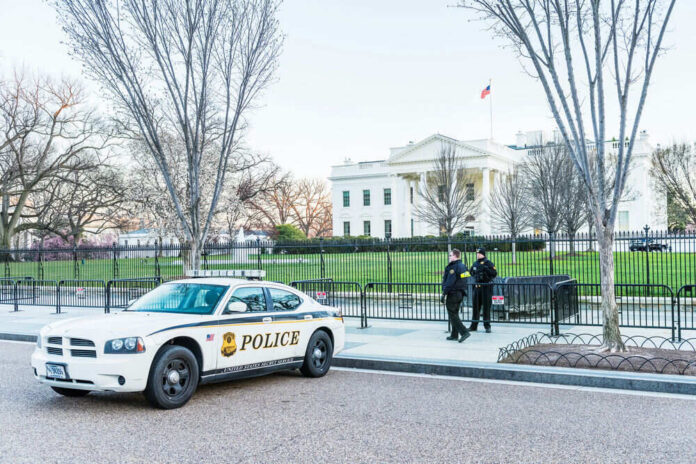
(PatriotNews.net) – A suspected terror-style ambush steps from a Biden-era resettlement pipeline to a death-penalty review—after two uniformed National Guard troops were shot near the White House.
Quick Take
- Federal prosecutors added new charges against Rahmanullah Lakanwal, shifting the case into a posture where the death penalty can be evaluated.
- Investigators say the Nov. 26, 2025 shooting near the Farragut West Metro involved a cross-country trip, a stolen gun, and an attack on troops deployed under a D.C. “crime emergency.”
- Spc. Sarah Beckstrom, 20, was killed; Staff Sgt. Andrew Wolfe, 24, survived and has shown progress in rehabilitation.
- The defense argues prosecutors have not shown motive evidence and disputes the “targeted ambush” framing.
- President Trump labeled the attack “terrorist” and moved to tighten migration and asylum processing after the incident.
Federal charges move the case toward a possible death-penalty track
Federal prosecutors escalated the case against Rahmanullah Lakanwal, 29, after authorities alleged he attacked two West Virginia National Guard members near the White House on Nov. 26, 2025. New filings in U.S. District Court added allegations that he transported a firearm across state lines and possessed a stolen firearm. Prosecutors have indicated the federal posture enables a formal review of whether the ultimate penalty can be pursued.
Investigators have described a daylight shooting near the Farragut West Metro stop, with both service members struck in the head. Spc. Sarah Beckstrom later died, while Staff Sgt. Andrew Wolfe survived and was eventually transferred for inpatient rehabilitation. Reporting from the case also notes witnesses who said the suspect shouted “Allahu Akbar” during the attack, a claim prosecutors have used to frame the public-safety stakes.
What is known about the suspect’s path into the U.S. and his claimed background
Case reporting says Lakanwal is an Afghan national who entered the United States in 2021 through Operation Allies Welcome, the Biden administration’s effort to resettle Afghans after the withdrawal. He reportedly settled in Bellingham, Washington, with his wife and five children. Sources also describe prior work with a CIA-backed Afghan Army “Zero Unit,” and later statements that the relationship ended shortly after the evacuation.
Details that matter for policy are still being litigated. The defense has highlighted that Lakanwal had no prior criminal record cited in public reporting and has argued he showed “solidarity with the U.S. military,” pressing prosecutors to produce clearer evidence of motive. Prosecutors, by contrast, have characterized the shooting as deliberate and targeted, emphasizing alleged surveillance and the seriousness of attacking uniformed troops on duty near a symbolic national landmark.
Defense strategy: attack the motive narrative and force evidence disclosure
Defense filings and court coverage show attorneys pushing back on the government’s characterization of a premeditated ambush. They have asked the court to compel additional evidence and have argued that the government has not laid out a clear motive for why Lakanwal would target the Guard members. Lakanwal pleaded not guilty in a hospital-bed hearing after he was wounded in the shootout that followed the attack.
Trump administration response elevates border security and vetting as a national-security issue
President Trump publicly labeled the incident a “terrorist attack” and pointed to concerns about vetting in the wake of the Afghanistan evacuation and subsequent resettlement. Reporting on the aftermath notes the administration moved to pause or tighten certain migration and asylum processes, including Afghan-related pathways. Those actions reflect a broader push to reassert enforcement priorities and limit bureaucratic discretion that can allow high-risk gaps to go unaddressed.
The legal question now is narrower than the politics: whether prosecutors can prove intent and aggravating factors beyond a reasonable doubt, and whether the Justice Department will formally authorize seeking capital punishment. D.C. itself does not have a local death penalty, which is why the shift into federal court matters. Limited public information remains on definitive motive proof, making future hearings and disclosed evidence central to how the case ultimately resolves.
Sources:
New charges for Guard shooting suspect enable death penalty talks
Lawyers For National Guard Shooting Suspect Claim Lack of Evidence
Copyright 2026, PatriotNews.net