(PatriotNews.net) – As Washington fixates on Adam Schiff’s latest warnings about Venezuela, many conservatives see something else that doesn’t add up: the same crowd that excused real Biden-era disasters now claiming sudden concern over Trump defending Americans from narco‑terror threats.
Story Snapshot
- Sen. Adam Schiff is leading a Senate push to challenge President Trump’s 2025 military campaign against Venezuelan narco‑terror gangs.
- Schiff claims the scale of U.S. deployments near Venezuela does not match a narrow anti‑drug mission and hints at a hidden war plan.
- The Trump administration frames the strikes as necessary to stop deadly drugs and cartel‑linked gangs like Tren de Aragua.
- War Powers fights in the Senate revive long‑running battles over presidential authority, congressional oversight, and national security.
Schiff’s New Front Against Trump’s Venezuela Strategy
Senator Adam Schiff has seized on President Trump’s 2025 operations against Venezuelan narco‑terror targets as his latest platform, arguing that the stated goal of drug interdiction does not match the size and scope of U.S. forces now operating around Venezuela. According to reporting on his remarks, Schiff is tying this criticism to a War Powers resolution that would restrict the president’s ability to keep U.S. forces engaged in any hostilities involving Venezuela without a specific congressional green light. For readers who watched years of selective outrage over border chaos and fentanyl inflows under Biden, the sudden alarm from a longtime partisan antagonist of Trump raises familiar questions about motive, timing, and whose interests this new campaign actually serves.
Schiff’s argument centers on the disconnect he sees between the administration’s rhetoric and the military picture on the water and in the air. Public reports describe a pattern that began with U.S. deployments into the Caribbean in mid‑August 2025, followed by a series of lethal strikes on small vessels Washington says were tied to Venezuelan gang Tren de Aragua and large drug shipments bound for the United States. As the tempo increased, Trump also disclosed authorizing CIA covert operations inside Venezuela, while naval and air assets, including a carrier and bombers, massed near Venezuelan territory. Schiff insists that if these moves amount to the threshold of war, Congress must be fully involved and not left rubber‑stamping decisions after the fact.
Trump’s Narco‑Terror Framing and Conservative Priorities
President Trump’s team presents the exact same facts in very different terms, aligning closely with the priorities many conservatives demanded after years of fentanyl deaths, porous borders, and cartel impunity. Administration statements describe the Venezuelan outfit Tren de Aragua as a transnational crime syndicate involved in drug trafficking, human smuggling, extortion, and violence, now formally designated a terrorist organization. Each maritime strike is then cast as self‑defense against “narcoterrorists” sending lethal cargo toward American communities. Trump’s public posts highlight alleged quantities of seized drugs in stark, human terms, describing loads “enough to kill tens of thousands of people” and framing the mission as hunting those poisoning American streets rather than launching a classic regime‑change war.
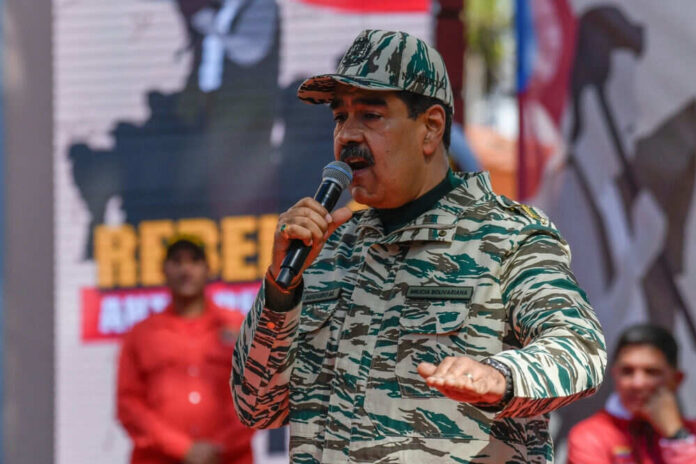
That framing resonates with voters who spent the Biden years watching Washington downplay the link between open‑border policies, criminal gangs, and overdose deaths. For them, a president finally treating cartels like the terror networks they effectively are looks less like warmongering and more like long‑overdue follow‑through on basic national security. The operations also fit a broader second‑term pattern: Trump has already pushed tougher actions against multiple Latin American cartels, tightened benefits for illegal immigrants, and tied border enforcement directly to protecting American workers and families. Against that backdrop, deploying powerful tools against a gang anchored in Nicolás Maduro’s Venezuela can appear as a natural extension of protecting the homeland rather than a secret plan for a large‑scale invasion.
War Powers, the Constitution, and a Familiar Washington Double Standard
At the heart of Schiff’s campaign lies a real constitutional issue conservatives care about: who decides when America goes to war. His resolution, labeled S.J.Res. 90, seeks to pull back U.S. forces from any hostilities “within or against Venezuela” unless Congress explicitly authorizes them. That language echoes long‑standing War Powers debates that cut across party lines, and some Republican senators have joined Democrats in voicing concern whenever presidents stretch the post‑9/11 terrorism authorizations beyond their original scope. Even so, the Senate has already rejected multiple efforts this fall to tie Trump’s hands, leaving his operational freedom intact while the political fight rages on cable news and social media.
For conservatives who remember how little scrutiny Barack Obama or Joe Biden faced for years of drone campaigns, Syria strikes, or Libya‑style adventures, Schiff’s sudden vigilance over constitutional process looks selective. Many of the same voices now warning darkly of “unauthorized war” were largely comfortable when past administrations used expansive interpretations of existing authorizations to justify actions far from traditional battlefields. The difference today is that Trump is targeting actors widely seen on the right as direct threats to American lives and sovereignty, while Schiff and his allies are elevating legal and diplomatic objections from Nicolás Maduro’s regime and other critics who have long opposed U.S. pressure on Caracas.
Risks, Real Questions, and What Conservatives Should Watch
None of this means there are no real risks in the current posture. Public reports count at least dozens of deaths on small vessels, and Venezuela and some regional voices claim innocent fishers or migrants are among the victims. International legal experts quoted in coverage argue that repeated lethal strikes outside a traditional war zone stretch both international law and existing U.S. authorizations, especially as operations move beyond the Caribbean into the eastern Pacific. Even supporters of Trump’s tough line on cartels acknowledge that miscalculation, faulty intelligence, or a direct clash with Venezuelan forces could escalate quickly, with consequences extending well beyond narco‑terror networks themselves.
Sen. Adam Schiff on Trump administration’s Venezuela escalation: "Something doesn’t add up" https://t.co/bG2oZpYQXO
— The Hill (@thehill) December 11, 2025
For constitutional conservatives, the healthy response is not to reflexively accept Schiff’s narrative nor to ignore any questions about process and objectives. It is to demand clarity on legal authorities, rules of engagement, and end goals while recognizing that the threats from cartel‑linked gangs and hostile regimes are real. Congress has a legitimate oversight role, but so does a president who ran and won on restoring borders, confronting narco‑terror, and reversing years of globalist drift. As this struggle over Venezuela policy continues, the key test will be whether Washington’s debate protects American lives and constitutional order, or once again reduces serious security choices to another opportunity for the permanent political class to attack a president who refuses to play by its old rules.
Copyright 2025, PatriotNews.net