(PatriotNews.net) – NATO allies are finally meeting defense spending targets, all thanks to Trump’s unyielding demands.
Story Highlights
- NATO allies commit to a 5% GDP defense spending target by 2035.
- Trump’s pressure ends “free-riding” and benefits U.S. taxpayers.
- Baltic states lead with quick commitments; UK and Germany face hurdles.
- Some nations use creative accounting to meet goals.
NATO Allies Commit to Increased Defense Spending
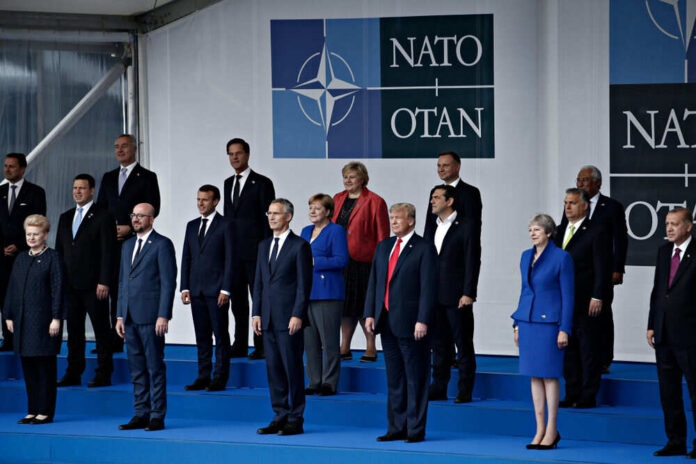
In a significant development for international defense, NATO allies have agreed to increase their defense spending to 5% of GDP by 2035. This agreement was reached during the NATO Summit in The Hague, largely driven by President Trump’s insistence on fairer burden-sharing among allies. Trump’s demands reflect a long-standing frustration with allies’ reliance on the U.S. for defense support, a concern he voiced during his first term.
The commitment is expected to bolster deterrence against threats like Russia, with countries like Estonia, Lithuania, and Latvia already planning to meet the target by 2026. However, achieving this goal won’t be straightforward for all. Nations such as the UK and Germany are grappling with budgetary challenges and have resorted to incorporating infrastructure and intelligence spending into their totals, raising questions about the effectiveness of their contributions.
U.S. Taxpayers to Benefit from NATO’s New Spending Goals
The increase in defense spending among NATO nations is expected to significantly benefit U.S. taxpayers. Historically, the United States has borne approximately 70% of NATO’s defense costs, a burden that Trump has actively sought to redistribute. By insisting on a 5% GDP target, Trump has effectively reduced the financial load on the U.S., ensuring a more equitable distribution of defense expenditures among allies.
While some NATO members have responded positively to the U.S. President’s calls, they also face practical hurdles in meeting the new spending benchmarks. The creative accounting methods, such as counting infrastructure investments, may dilute the real impact on actual combat readiness. Nevertheless, the overall increase in defense budgets is a strategic gain, enhancing collective security and reaffirming the U.S.’s commitment to the transatlantic alliance.
Challenges and Criticisms of the New Defense Spending Commitments
Despite the broad consensus on the need for increased defense spending, the path forward is not without challenges. Countries like Germany have relied on temporary funds, which may not sustain long-term defense capabilities. Critics also warn that such financial maneuvers could undermine the actual combat power of NATO forces. As these nations work towards the 2035 target, the effectiveness of their defense strategies remains under scrutiny.
Furthermore, the inclusion of non-combat expenditures in defense budgets raises concerns about the authenticity of these commitments. However, Trump’s strategy to leverage U.S. influence within NATO has undoubtedly shifted the dynamics, compelling allies to reconsider their defense priorities in light of geopolitical threats and the necessity of a robust deterrence posture.
Copyright 2025, PatriotNews.net