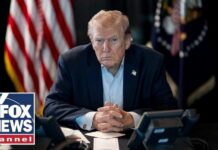
President Trump’s new executive order puts the childhood vaccine schedule on a sharper political edge, with fewer routine shots and more control pushed toward parents.
Quick Take
- The White House says the order aims to maximize parental choice and align vaccine guidance with peer-country practices.
- The order recommends vaccines for 11 diseases, down from 18 diseases in the 2024 Centers for Disease Control and Prevention schedule.
- The plan shifts some shots into shared clinical decision-making and separates the combined measles, mumps, and rubella vaccine into three shots.
- The Centers for Disease Control and Prevention says insurance coverage will continue without cost-sharing for vaccines on the schedule.
What Trump Ordered
President Trump signed the executive order on Monday and framed it as a “gold standard” overhaul of childhood vaccine guidance. The White House says the order seeks to give parents more options and align recommendations with scientific evidence and best practices from peer, developed countries. It also says the administration is moving away from one-size-fits-all guidance by placing some vaccines under shared clinical decision-making instead of universal recommendation.
The changes are concrete. The White House says the order recommends childhood immunizations for 11 diseases, compared with 18 diseases in the 2024 schedule. It also recommends splitting the combined measles, mumps, and rubella vaccine into three single-disease shots and giving all vaccines during separate medical visits when possible. Reuters and other outlets reported that the order also pushes fewer routine childhood vaccinations overall.
What Stays in Place
The administration’s move is not a full shutdown of federal vaccine policy. The Centers for Disease Control and Prevention says the childhood immunization schedule will still be organized in three categories, and all vaccines currently recommended by the agency will remain covered without cost-sharing by private insurance, Medicaid, the Children’s Health Insurance Program, and the Vaccines for Children Program. That matters because access often depends on coverage, not just federal guidance.
The White House also says the broader review is tied to a December 2025 presidential memorandum that told health agencies to study peer-country vaccine schedules and the science behind them. That gives the order a policy-review frame, not just a political one. Even so, the shift is still unusual because it puts the White House directly into a process that has normally been led by scientific review panels and public health experts.
Why the Fight Is Bigger Than Vaccines
This order lands in the middle of a long argument over trust in federal health agencies, parental rights, and who sets medical policy. Supporters will see the change as a way to cut red tape and give families more say. Critics will see a risky break from the standard process, especially because major outlets report that the administration has again tied its push to autism claims that scientists have rejected.
BREAKING NEWS: Trump signs executive order calling for fewer childhood vaccines, falsely linking shots to autism
From the vaccine-denying political party that brought measles back to life in the U.S. We have a moron for a president. Source: CNBC https://t.co/RwdUWXEyvg
— David Sydow (@DavidSydow12) August 10, 2026
The deeper issue is that both sides are talking past each other. The White House points to flexibility, scientific review, and international comparisons. Opponents point to the possible public-health cost of making vaccines harder to schedule and easier to delay. In a country already divided over schools, mandates, and expert power, the vaccine order has become another test of whether Washington can still command trust while changing rules that affect nearly every family.
Sources:
youtube.com, cnbc.com, whitehouse.gov, reuters.com, usnews.com, abc7ny.com, news3lv.com, aha.org
© patriotnews.net 2026. All rights reserved.