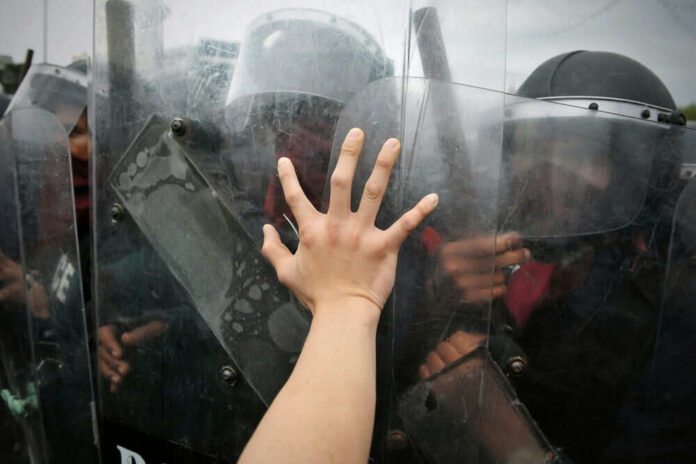
(PatriotNews.net) – The Hong Kong protests of 2019–2020 signaled a seismic shift in the city’s struggle for democracy, with repercussions that continue to echo today.
Story Highlights
- Mass protests erupted over a proposed extradition bill, evolving into a broader pro-democracy movement.
- Despite the withdrawal of the bill, tensions escalated, leading to Beijing’s implementation of the National Security Law.
- Hong Kong’s unique status as a semi-autonomous region is increasingly under threat.
- International reactions vary, but the crackdown on freedoms is widely condemned.
The Rise of the Protests
The Hong Kong protests began on March 31, 2019, with a significant demonstration against a controversial extradition bill. The proposed legislation would have allowed for the extradition of criminal suspects to mainland China, sparking fears of erosion in judicial independence and an increase in Beijing’s influence. By June 9, over a million people marched, marking the beginning of a protracted struggle for greater democratic freedoms.
The protests quickly evolved beyond the extradition bill, becoming a broader campaign for democracy and autonomy. Marked by mass marches, sit-ins, and even airport disruptions, the movement showcased the resilience and unity of Hong Kong’s citizens. Despite the formal withdrawal of the bill in September 2019, the protests continued, driven by demands for accountability and democratic reforms.
Beijing’s Response and the National Security Law
Beijing’s response culminated in the imposition of the National Security Law on June 30, 2020. This sweeping legislation criminalized acts of secession, subversion, terrorism, and collusion with foreign forces. Critics argue it effectively dismantled the “one country, two systems” framework that had underpinned Hong Kong’s autonomy since the 1997 handover from Britain to China.
Since the law’s implementation, over 10,000 people have been arrested, with many activists and journalists prosecuted. The law’s vague definitions have led to widespread fears of self-censorship among citizens, academics, and media professionals, fundamentally altering the fabric of Hong Kong society.
Global Repercussions and Reactions
The international community has reacted with concern and condemnation. Human rights organizations and Western governments have criticized the crackdown, highlighting the erosion of freedoms and autonomy in Hong Kong. The U.S. and EU have imposed sanctions and offered asylum to fleeing activists, while pro-Beijing voices argue that strong security measures are essential for stability.
These developments have strained Hong Kong’s reputation as a global financial hub. The uncertainty surrounding future freedoms and legal independence has led some businesses to reconsider their presence in the city. Meanwhile, the chilling effect on civil society and public discourse raises questions about Hong Kong’s long-term viability as a bastion of free expression in Asia.
The Future of Hong Kong’s Autonomy
The future of Hong Kong’s autonomy remains uncertain. While mass protests have largely ceased due to legal restrictions and fear of arrest, the spirit of resistance persists among many citizens. Analysts caution that the ongoing crackdown could have lasting implications for Hong Kong’s legal independence and international standing.
As the world watches, the struggle for democracy in Hong Kong serves as a stark reminder of the tensions between local autonomy and central authority. The enduring question remains: Can Hong Kong maintain its distinct identity and freedoms in the face of increasing control from Beijing?
Copyright 2025, PatriotNews.net