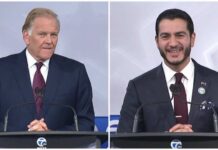
A Michigan campaign ad linking grocery prices to “killing Palestinians” has jolted Democrats and exposed how outside money can hijack a race.
Story Highlights
- A Rebellion PAC ad tied U.S. support for Israel to higher grocery costs, drawing backlash.
- Rep. Haley Stevens called the ad antisemitic and demanded a formal condemnation from Abdul El-Sayed.
- El-Sayed’s campaign disavowed any link to the ad and asked Stevens to skip events to avoid distraction.
- The fight underscores Democratic unity strains in a pivotal Michigan Senate race.
What Sparked The Clash In Michigan
On October 30–31, reporting showed a digital ad by Rebellion PAC that linked a shopper’s budget to U.S. aid for Israel, saying, “put that $7 aside for killing Palestinians.” The spot ran amid a tight Michigan Senate race. Rep. Haley Stevens condemned the message as antisemitic and pressed Democratic nominee Abdul El-Sayed to formally denounce it. News outlets documented the grocery scene and the exact wording that set off the dispute.
El-Sayed’s campaign said it had no role in the ad, stressing that no one speaks for the candidate except his team. The campaign framed its message around affordability and health care, not the outside ad. It also asked Stevens to avoid events, arguing her focus on the ad would distract voters from core issues. Multiple outlets reported the disavowal, the disconnect from the ad’s producers, and the request to limit joint appearances.
Why Stevens Pressed For A Formal Condemnation
Stevens argued that the ad crossed a line by tying daily costs to violence in Gaza. She said the message hurt and confused voters, including Jewish constituents in her district. Coverage showed she wanted El-Sayed to condemn the ad before appearing together at a Detroit event, after months without joint campaigning. The Hill and NBC News reported that she viewed the ad as echoing claims she linked to El-Sayed’s past arguments on spending.
Some reports noted the ad mentioned Israel and Palestinians but did not reference Jewish people directly. That detail fed a debate over where criticism of a government ends and antisemitism begins. The distinction matters to voters who fear rising bias while also wanting open debate on foreign aid. The lack of a single agreed line leaves campaigns to argue over language, intent, and impact in the final days before ballots are cast.
The Deeper Issue: Outside Groups And Party Unity
Outside groups can reshape a race with messages candidates do not control. Researchers have found that this money often steers the agenda and tone, while leaving candidates to answer for ads they did not approve. That dynamic is playing out here, where a provocative claim became the week’s headline and forced a unity test for Democrats. Voters see the noise and ask why leaders cannot focus on real costs and safety at home.
The fight risks crowding out what many Michiganders say they care about most: prices, wages, and health care. Even Democratic voices warned the ad saga was a distraction from gas and grocery costs. Yet Jewish and African American voters also want respect and a clear stand against hate. That push and pull reflects a wider mood. Many on the left and right feel elites play politics while families fight inflation and division with little help from Washington.
What To Watch Next In Michigan
Watch whether El-Sayed issues any new, explicit language on the ad’s message, not just its authorship. Look for whether Stevens resumes joint events or keeps distance through Election Day. Track whether party leaders in Michigan lock in a joint script on costs, safety, and foreign policy to keep swing voters engaged. Finally, note if more outside ads escalate charged claims that campaigns then have to clean up in the season’s closing hours.
Sources:
cnn.com, nbcnews.com, thehill.com, cbsnews.com, commondreams.org, edition.cnn.com, jta.org, washingtonexaminer.com, brandeis.edu
© patriotnews.net 2026. All rights reserved.