
From the United Nations podium, President Trump said Iran must choose a deal with Washington or face “annihilation,” drawing cheers from allies and alarm from critics.
Story Highlights
- Trump warned Iran he could “annihilate” the Islamic Republic without a peace deal.
- He defended a joint U.S.-Israeli campaign and predicted a deal after midterms.
- He touted a new defense pact with Denmark and Greenland for expanded U.S. security reach.
- He rejected global rules for artificial intelligence and pushed the term “super intelligence”.
Trump’s Iran Ultimatum Sets Stark Terms
President Trump told world leaders in New York that Iran faces a simple choice: negotiate a new agreement or face rapid destruction of the Islamic Republic. He said he could annihilate Iran without a deal and predicted an agreement after the U.S. midterm elections. He framed the warning as part of a broader U.S.-Israeli effort to stop Iranian threats and curb its capabilities. The remarks hardened the stakes and raised concern about a wider regional war.
Analysts said the message mixed pressure with a claim of restraint. Commentator Ian Bremmer argued the United States has been comparatively constrained against Iran due to energy prices and supply chain risks, even as Trump used tough language. That reading suggests Washington’s options may be narrower than the rhetoric implies, which could push both sides toward talks while still risking a misstep that sparks escalation across the region.
Greenland Deal Expands U.S. Security Footprint
Trump highlighted what he called a new military deal with Denmark and Greenland. He said it would give the United States the ability to do what is necessary to defend North America, Europe, and beyond. Reports described it as unprecedented and tied to plans for more U.S. presence and infrastructure. Full legal terms were not published in the available material, leaving questions on scope, basing rights, and long-term control over security functions.
Supporters will see the Arctic move as overdue realism. They point to rising Russian and Chinese activity in the region and the need for early warning, sealift, and airlift routes. Skeptics will ask how the agreement handles sovereignty and costs, and whether local communities had a clear voice. Both sides can agree that any large security deal should be transparent, especially when it could shape defense posture for decades.
AI Policy Breaks From Global Rulemaking
Trump rejected what he called a globalist plan to control artificial intelligence and labeled many safety warnings a hoax. He pushed the term “super intelligence” for government documents. That stance signals a bet on faster development with limited international rules. Backers argue the United States should lead and not get tied down by rivals. Critics warn that loose rules can invite harms and leave workers, consumers, and the military exposed to real risks.
Clear policy details remain thin in public view. Reports capture the rhetoric but do not show a full framework for safety testing, export controls, or use in critical systems. Businesses want clarity on standards, liability, and data security. Families want to know how schools, jobs, and privacy will be affected. Without a plan, the push for speed can look like a blank check for the biggest firms and agencies, deepening fears about unaccountable power.
Cuba Clash and A Walkout Underscore Tensions
Trump called Cuba a failed state during the speech. Cuban delegates walked out of the hall in protest. The exchange fit the day’s pattern: sharp language that mobilizes allies and angers rivals. It also showed how public shaming can close doors that quiet diplomacy might keep open. Supporters argue the tough line is honest about human rights. Critics say it reduces space for progress on migration, prisoners, and family ties.
🇺🇸 Trump just went from climate change to killer robots to Russia, Russia, Russia in ONE UN speech.
The president mocked doomsday warnings about global warming and AI, then somehow brought the whole thing back to the Russia and Ukraine controversies.
“𝘛𝘩𝘦𝘴𝘦 𝘢𝘳𝘦 𝘵𝘩𝘦…
— Mario Nawfal (@MarioNawfal) September 22, 2026
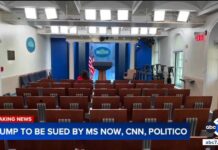
Back home, a separate fight over press access shadows the message. CNN, MS NOW, and Politico filed a federal lawsuit saying their White House bans and seized hard passes violated the First and Fifth Amendments. The case turns a media dispute into a constitutional clash. That risks distracting from foreign policy aims and feeds a wider belief that powerful insiders write their own rules while ordinary people live with the fallout.
Why This Matters for Americans
Foreign policy choices hit wallets and families. A misstep with Iran can spike oil prices and raise costs for gas, trucking, and groceries. A smart Arctic posture can protect the homeland but must be explained and costed. Fast AI growth can boost jobs, yet weak guardrails can harm workers and kids. The thread ties back to trust: people want clear facts, not spin; real plans, not slogans. Leaders should publish deals, data, and timelines so citizens can judge for themselves.
Sources:
youtube.com, cnbc.com, theguardian.com, eadaily.com, nytimes.com, reuters.com
© patriotnews.net 2026. All rights reserved.