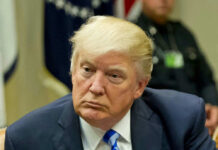


(PatriotNews.net) – President Trump’s recent social media post threatening Chicago with military action has ignited a firestorm of controversy and debate.
Story Overview
- Trump’s AI-generated post references “Apocalypse Now” and threatens Chicago with deportations and military action.
- Democratic leaders nationwide condemn the rhetoric, warning against military deployment in U.S. cities.
- The post sparks debate over presidential authority and federal intervention in urban policy.
- Trump attempts to downplay the perceived threat, stating a focus on “cleaning up” cities.
Trump’s Controversial Social Media Post
On a quiet Saturday morning, President Trump set off a political firestorm with a post on Truth Social. The post featured an AI-generated image referencing the film “Apocalypse Now” with the phrase “Chipocalypse Now” and a bold statement threatening Chicago with deportations and military action. This provocative message, suggesting the renaming of the Department of Defense to the Department of War, immediately drew sharp condemnation from Democratic leaders who viewed it as an authoritarian move.
In response, Democratic leaders from across the nation, including Chicago Mayor Brandon Johnson and California Governor Gavin Newsom, denounced the rhetoric as dangerous and warned against the potential for military deployment in U.S. cities. The backlash was swift, with Democrats accusing Trump of using the military as a political tool and overstepping federal authority.
Historical Context and Precedents
Federal intervention in urban areas has a long and contentious history in the United States. Past incidents, such as National Guard deployments during periods of civil unrest, have set a precedent for federal involvement in local matters. Trump’s administration has previously threatened federal action in cities struggling with crime and immigration issues, adding layers of complexity to the current situation.
Chicago, often spotlighted in national debates over crime and policing, has resisted federal intervention efforts, emphasizing local progress in reducing violent crime. The city’s leadership has consistently opposed federal overreach, maintaining that local governance should address urban challenges.
Democratic Leaders’ Response
The immediate and coordinated response from Democratic leaders underscored the gravity of Trump’s message. Mayor Brandon Johnson and other local officials reiterated their opposition to federal intervention, citing improvements in crime statistics and the importance of local autonomy. Johnson warned against the authoritarian nature of Trump’s rhetoric, urging the defense of democracy and protection of Chicago from potential military deployment.
National Democratic figures amplified the criticism, with Governor Newsom describing the use of U.S. troops as “political pawns.” Their unified front illustrates deep-rooted concerns about the normalization of military language and threats in domestic policy discussions.
Broader Implications and Potential Impacts
The short-term implications of Trump’s post are palpable, with heightened political tension and anxiety in immigrant communities. The potential for protests or unrest looms as cities brace for ICE raids and federal involvement. Long-term, the event could erode trust between federal and local governments, setting a precedent for presidential use of military rhetoric in domestic policy.
Political scientists and legal scholars have warned about the risks of such rhetoric, noting possible constitutional violations and the psychological impact on vulnerable populations. Critics argue that Trump’s post serves to escalate partisan divides, while supporters emphasize the need for strong federal action to address urban crime and immigration.
Copyright 2025, PatriotNews.net