

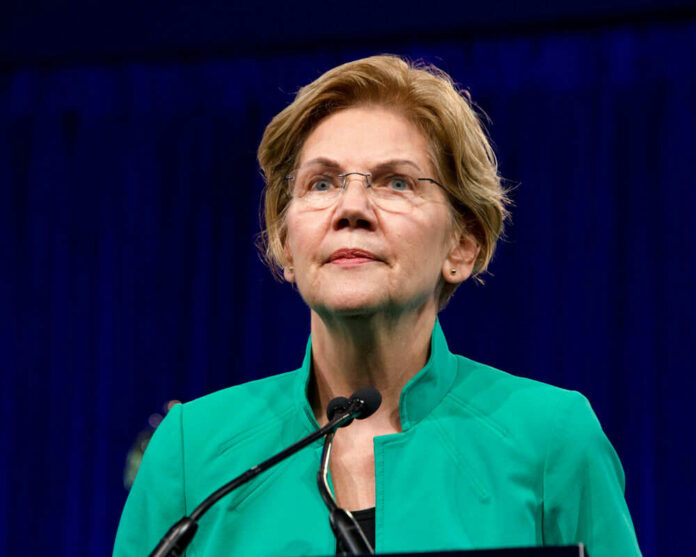
(PatriotNews.net) – Ten Democratic senators are demanding testimony from Wall Street’s biggest banks over their alleged role in enabling Jeffrey Epstein’s sex crimes, raising new alarms about institutional failures and political maneuvering that threaten public trust in America’s financial system.
Story Snapshot
- Senators call for Senate Banking Committee hearings into JPMorgan and Deutsche Bank’s relationship with Epstein.
- Top bank executives, including JPMorgan CEO Jamie Dimon, are requested to testify under oath.
- JPMorgan settled lawsuits with Epstein’s victims and the U.S. Virgin Islands for $365 million without admitting wrongdoing.
- Partisan conflict intensifies as House Republicans block a Democratic effort to subpoena Epstein-related financial records.
Senators Demand Accountability for Banks Linked to Epstein
In September 2025, a group of ten Democratic senators formally requested the Senate Banking Committee to hold hearings investigating how major financial institutions, especially JPMorgan Chase and Deutsche Bank, may have facilitated or failed to prevent Jeffrey Epstein’s sex trafficking activities. The senators specifically demand testimony from top banking executives, including JPMorgan CEO Jamie Dimon, to explain why Epstein remained a client for years despite internal red flags and a 2008 sex crime conviction. The initiative follows JPMorgan’s $365 million settlement with Epstein’s victims and the U.S. Virgin Islands, which increased pressure for public accountability and reform in banking oversight.
Background: Banking Relationships and Compliance Failures
Jeffrey Epstein’s ties with JPMorgan and later Deutsche Bank persisted even after his 2008 conviction for sex crimes, sparking concern about compliance, due diligence, and the ability of powerful clients to evade scrutiny. Internal warnings about suspicious activity were reportedly delayed or disregarded, allowing Epstein to maintain banking services until JPMorgan severed ties in 2013. Public and legal scrutiny intensified following Epstein’s 2019 death, with lawsuits alleging that these banks enabled or ignored his criminal conduct. The current push for hearings emerges against a backdrop of broader concerns about financial sector accountability, anti-money laundering enforcement, and restoring trust in regulatory oversight.
Power Struggle: Congress, Banks, and Federal Oversight
The Senate Banking Committee is now at the center of a political and institutional power struggle. Democratic senators, led by Elizabeth Warren and Ron Wyden, seek to expose systemic compliance failures and demand transparency from bank executives and the U.S. Treasury Department. Treasury official Scott Bessent faces criticism for refusing to release Epstein-related financial records to investigators, prompting further legislative efforts. Meanwhile, House Financial Services Committee Republicans blocked a Democratic attempt to subpoena these records, highlighting the deep partisan divide over the necessity and scope of such investigations. The tension between congressional oversight and financial sector influence remains a key factor in the unfolding story.
Impact: Institutional Trust and Calls for Reform
The short-term impact includes heightened media and political scrutiny of major banks, potential hearings, and further legal exposure. Long-term, the controversy may prompt regulatory reforms in banking compliance and anti-money laundering practices, with greater expectations for due diligence on high-risk clients. Epstein’s victims could see additional redress and public acknowledgment, while financial institutions face reputational and regulatory risks. The broader public, already wary of government and Wall Street, confronts renewed questions about institutional complicity in criminal networks and the effectiveness of congressional oversight. As the debate continues, expectations rise for meaningful reform to restore faith in America’s financial and political systems.
"Democrats Want JPMorgan and Other Banks to Testify Over Epstein Ties" by Matthew Goldstein and Jessica Silver-Greenberg via NYT https://t.co/JQ4Slumct1 pic.twitter.com/Ocmyp6HeRQ
— 🌊🌊💙💙 Viking Resistance 💙💙🌊🌊 (@VikingFBR) September 11, 2025
Expert Analysis and Partisan Divides
Industry experts emphasize the critical need for robust anti-money laundering controls and independent compliance functions in major financial institutions. Legal analysts note the rarity of congressional hearings targeting banks for relationships with criminal clients of Epstein’s notoriety. Academic commentators highlight the systemic risks when banks prioritize profits over compliance, calling for stronger whistleblower protections and mandatory reporting of suspicious activity. While some argue that institutions were complicit through willful blindness, others suggest failures were due to systemic weaknesses rather than individual intent. Partisan disagreement persists over the scope of investigations, with Republicans resisting expanded oversight and Democrats demanding greater transparency and reform.
Copyright 2025, PatriotNews.net