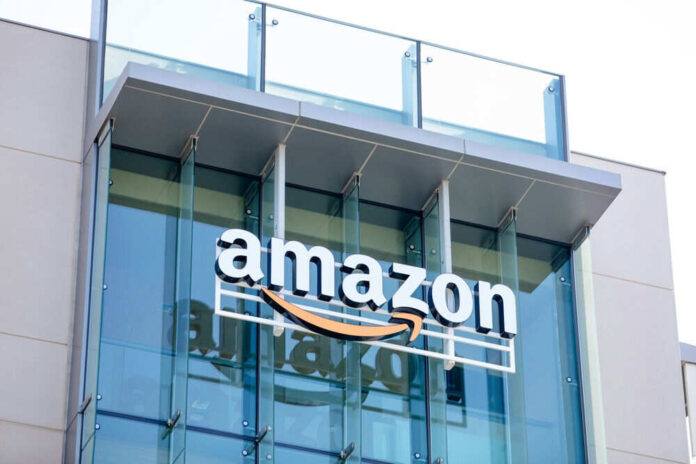
(PatriotNews.net) – Amazon and Alibaba are openly selling banned Olympic performance-enhancing peptides, exposing a catastrophic regulatory failure that threatens the integrity of the 2026 Milan Cortina Games and reveals how Big Tech prioritizes profit over American athletes.
Quick Take
- Hundreds of banned peptides remain available on Amazon and Alibaba despite IOC sponsorship agreements and platform claims of compliance
- FDA regulations dating to 1938 cannot address modern peptide technology, creating a regulatory vacuum that enables illegal doping
- E-commerce platforms remove listings only after media pressure, then new banned substances reappear days later
- The next Olympic doping scandal could emerge years after competition ends, as detection methods improve and historical samples are re-analyzed
The Regulatory Failure Behind the Doping Crisis
An Associated Press investigation has exposed a stunning vulnerability in Olympic anti-doping enforcement: banned performance-enhancing peptides are readily available for purchase on mainstream e-commerce platforms, including Amazon and Alibaba. The investigation identified hundreds of banned or illegal peptides with an ever-shifting menu of items as some were removed following media inquiries. This represents not an isolated problem but a systemic failure of regulatory agencies and corporate platforms to prevent the distribution of substances explicitly prohibited by the World Anti-Doping Agency.
The core issue reflects a fundamental disconnect between law and technology. Dan Burke, former FDA official and current head of intelligence and investigations at the U.S. Anti-Doping Agency, articulated the problem directly: American law prohibiting peptide sales dates to 1938 and “just isn’t working and doesn’t work to this day.” This 87-year-old legislation predates modern peptide technology by decades, leaving regulatory agencies powerless to address contemporary doping infrastructure. The regulatory gap is not accidental, it reflects the failure of government to keep pace with technological change and corporate e-commerce expansion.
Platform Accountability Theater Versus Reality
When confronted by the AP investigation, both Amazon and Alibaba responded with carefully crafted statements emphasizing compliance and removal efforts. Alibaba claimed it “proactively adopted stricter standards to define operational boundaries and our compliance efforts go beyond passive adherence and minimum legal requirements.” Amazon stated it requires compliance with applicable laws and is removing violative products. These statements suggest systematic enforcement and genuine commitment to anti-doping standards.
The reality tells a different story. Following AP inquiries, Amazon removed some drugs the AP had specifically asked about, but “a number of listings remained and some new ones popped up” days after the initial contact. This pattern, reactive removal following media pressure, followed by re-listing, demonstrates that platforms are not systematically preventing banned substance sales. Instead, they engage in compliance theater: removing visible violations when exposed while permitting the underlying infrastructure to continue operating. The IOC’s statement that Alibaba “confirmed to us that it consistently monitors its marketplaces and that it does not have prohibited substances for sale from the WADA 2025 list” was directly contradicted by the AP’s independent verification of banned peptides including BPC-157 on the platform.
The Structural Conflict at the Heart of the Olympic System
Alibaba’s dual role as both an IOC sponsor and a platform facilitating banned substance distribution exemplifies the structural contradictions within Olympic governance. The IOC depends on corporate sponsorship revenue while simultaneously requiring those sponsors to enforce anti-doping standards. This creates an inherent conflict of interest: the IOC cannot aggressively enforce anti-doping standards against a major financial partner without risking the sponsorship relationship. Alibaba’s status as “committed to helping the IOC transform the Olympic Games for the digital era” simultaneously masks its role in enabling athletes to access performance-enhancing drugs through simple online transactions.
WADA spokesman James Fitzgerald acknowledged that the availability of performance-enhancing drugs on websites falls outside WADA’s direct jurisdiction. The organization began collaborating with national anti-doping and law enforcement agencies two years ago to address illegal manufacture, sale, and supply of PEDs. However, this collaboration remains inadequate. Fitzgerald characterized illegal PED trafficking as “not just a problem for sport – it is a societal issue that requires a multi-faceted approach,” implicitly acknowledging that anti-doping agencies alone cannot solve the problem without cooperation from law enforcement, e-commerce platforms, and regulatory agencies that are either unwilling or unable to act.
The Next Doping Scandal May Already Be Underway
The most disturbing aspect of this crisis is its temporal dimension. Peptides disappear from blood quickly, making them extremely difficult to detect even with improved testing methods. The IOC stores blood samples for up to 10 years to account for possible improvements in detection long after events end. This means the next Olympic doping scandal could emerge years after the Milan Cortina Games, as detection methods improve and historical samples are re-analyzed. Athletes competing clean in 2026 may discover years later that their results were invalidated because competitors used undetectable peptides purchased from Amazon or Alibaba.
This creates a prolonged period of uncertainty regarding Olympic results and athlete eligibility. Unlike historical doping scandals where evidence emerged relatively quickly, the peptide crisis introduces a delayed-action dimension to Olympic competition. The investigation frames this not as a confirmed current epidemic but as a potential future crisis—one that is almost certainly already underway given the accessibility of banned substances and the difficulty of detection. Conservative estimates suggest that if even a small percentage of elite athletes are using these readily available peptides, the integrity of Olympic competition has already been compromised.
What Clean Athletes and American Taxpayers Deserve
American athletes who train rigorously within anti-doping rules face unfair competition from rivals who can purchase banned performance enhancers with a few mouse clicks. Taxpayers who fund USADA and other anti-doping agencies see their investment undermined by regulatory frameworks that cannot address modern e-commerce. The Olympic movement itself risks reputational destruction as doping scandals inevitably emerge, damaging the credibility of competition and the integrity of athletic achievement. These consequences flow directly from regulatory failure and corporate indifference to anti-doping standards.
The solution requires more than platform promises or reactive removals. It demands that Congress update FDA authority to address modern peptide technology, that the IOC enforce strict anti-doping standards on corporate sponsors regardless of financial consequences, and that e-commerce platforms implement systematic enforcement mechanisms rather than responding only to media pressure. Until these changes occur, the Olympic Games will remain compromised by easily accessible performance-enhancing drugs and regulatory frameworks too antiquated to address them.
Copyright 2025, PatriotNews.net