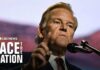
In a one-hour California governor debate, Donald Trump became the star neither candidate could ignore.
Story Highlights
- CNN hosted the only scheduled, televised California governor debate between Xavier Becerra and Steve Hilton.
- Both candidates centered arguments around President Trump’s policies and record, making him the night’s focus.
- Policy clashes included income tax cuts, gas-tax repeal, housing, immigration, climate, and artificial intelligence.
- The format and coverage amplified sharp exchanges over deep policy detail, a common pattern in modern debates.
Debate Basics: Time, Place, and Format
CNN hosted the California governor debate between Democrat Xavier Becerra and Republican Steve Hilton at the network’s Burbank studio on September 30, 2026. Jake Tapper and Dana Bash moderated the hour-long event. Outlets described it as the only scheduled or only televised debate in the race, raising the stakes for both campaigns heading into ballots being mailed to voters.
Reports agree on the debate’s core agenda. The moderators pressed the candidates on affordability, housing, immigration, homelessness, climate change, and artificial intelligence. Those issues track with the state’s daily pressures: high housing costs, visible street homelessness, and energy prices. The hour-long format forced short answers and quick pivots, which favored clear lines over complex plans, and set the stage for sharp contrasts on taxes and public spending.
Trump As The Night’s Central Frame
Coverage from multiple outlets says President Trump’s record and policies dominated the exchange. Becerra repeatedly linked Hilton to Trump on immigration, taxes, housing, and the environment. Hilton worked to define his platform on California terms while facing that national frame. This tug-of-war is common in polarized races, where candidates use a national figure to simplify choice and rally their base in a short, televised window.
CNN’s own takeaway described Trump’s policies as underpinning much of the debate’s substance. That focus shaped how voters may remember the night more than any single proposal. When a national figure becomes the reference point, state issues can get filtered through that lens. Supporters on each side heard what they expected, while undecided voters got a quick read on values and priorities tied to the current White House.
Key Policy Clashes That Affect Daily Life
Hilton argued for tax relief, including eliminating state income taxes on the first $150,000 and rolling back California’s 63-cent gas tax. He framed these steps as a direct cost-of-living response for workers and drivers. Becerra pushed back, warning about lost revenue for roads, schools, and services. The exchange echoed a broader fight over whether government is too big and costly, or whether cuts would weaken safety nets and core infrastructure.
Housing and homelessness drew urgent attention. Both candidates faced questions about fees, building delays, and how to get more homes built faster. Voters want results after years of rising rents and tents on city streets. The candidates also argued about immigration enforcement and border policy, with Becerra tying Hilton to Trump’s approach and Hilton stressing order and security. Climate and energy policy surfaced in talk of offshore drilling and high-speed rail spending, linking costs to long-term goals.
Why The Debate Felt Familiar—And What That Means
Analysts often find that single debates do not move many votes, but they can set a story. Here, that story was Trump. With Republicans controlling Congress and President Trump in the White House, Democrats in deep-blue California leaned into a national contrast. Republicans aimed to speak to everyday costs, regulation, and public safety. The result matched a pattern where identity frames overshadow policy math in a tight broadcast window.
For readers tired of political theater, the concern is clear. Voters across the spectrum want housing they can afford, safer streets, and lower bills. They also want leaders to fix broken systems, not trade labels. The debate put those needs on stage but filtered them through a Trump-centered fight. That may help each side rally its base. It does less to show how either candidate will deliver steady, measurable change after Election Day.
Sources:
pjmedia.com, cnn.com, abc7.com, x.com, whio.com
© patriotnews.net 2026. All rights reserved.