
(PatriotNews.net) – The United States has crossed a new Rubicon in the war on drugs, unleashing military force with a frequency and ferocity not seen in the Caribbean since the days of Noriega, a campaign that now leaves alleged traffickers not in handcuffs, but in body bags, and raises questions that echo far beyond the spray of bullets and breaking waves.
Story Snapshot
- The US military has conducted 17 lethal strikes against suspected drug boats in the Caribbean since September 2025.
- These operations mark the most aggressive use of force in anti-narcotics efforts since the Panama invasion in 1989.
- Seventy suspected traffickers have been killed, with the campaign publicly justified as a deterrent against narco-terrorism.
- The strategy has ignited debate over legality, effectiveness, and the long-term impact on regional stability.
Direct Military Action: A Stark Departure from the Norm
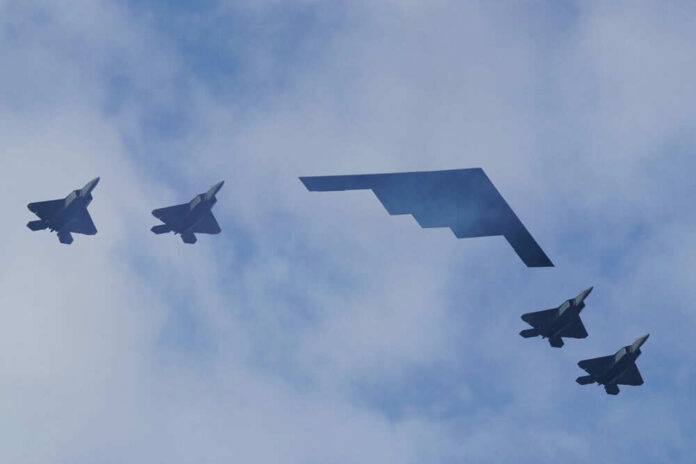
US military jets and drones now stalk the Caribbean, hunting what the Pentagon calls “narco-terrorist” vessels. On November 7, the 17th such mission vaporized a suspected drug-smuggling boat, killing all three aboard. Defense Secretary Pete Hegseth made no effort to shroud the event in ambiguity: this was not law enforcement, but war. Unlike previous decades, when US interdiction teams hauled traffickers to Miami courtrooms, today’s missions end with a missile strike and a terse press release.
Military involvement in drug enforcement has deep roots, but what’s unfolding now is unprecedented. The campaign began in September 2025, when the Trump administration authorized the first strike. Since then, a secret target list, briefed to Senate Republicans, has guided a relentless tempo of operations. These are not covert raids or support missions for foreign police; these are lethal actions, publicly claimed, in international waters, with the express purpose of sending a message: cross these routes, and face military destruction.
Political Messaging and the Logic of Deterrence
Officials paint these strikes as necessary to “protect Americans from the scourge of drugs.” President Trump, never one for subtlety, has openly criticized Colombian President Gustavo Petro for what he calls “inaction” on the cocaine trade, even as Colombian and French authorities tout their own record seizures. The US narrative is clear, narco-trafficking is now equated with terrorism, and the military is the tool of choice. This reframing justifies a level of force once reserved for state adversaries. The logic: if traffickers fear annihilation at sea, fewer will dare to run the gauntlet.
The consequences ripple beyond deterrence theory. Regional partners such as Colombia and France cooperate on intelligence and seizures but do not participate in the strikes themselves. Their governments walk a diplomatic tightrope, applauding US resolve while quietly expressing unease about sovereignty and escalation.
Legal, Ethical, and Strategic Uncertainties
This campaign’s novelty is matched only by its legal ambiguity. Academics and international law experts debate whether targeting non-state actors in international waters, without trial or warning, constitutes a lawful act of war or something closer to extrajudicial execution. Critics, including some within the US, question the transparency of these operations and the risk of killing mistaken or civilian targets. The Pentagon has declined to specify the nationality of those killed in the latest strike, fueling speculation and concern.
Strategically, the long-term efficacy remains unknown. History offers sobering lessons: traffickers adapt, shifting routes and tactics, often with unintended consequences for civilian populations. Past US campaigns in Latin America aimed to cut supply, only to see violence and instability surge in response. Supporters argue that overwhelming force is the only language criminal syndicates understand, but the record on lasting success is mixed at best.
What Comes Next: Escalation, Blowback, or Breakthrough?
The stakes are high, and the endgame is anything but clear. With at least 70 killed in 17 strikes, traffickers will likely adapt, perhaps growing more desperate or violent. Regional governments may bristle at US unilateralism, even as they benefit from disrupted shipments. Meanwhile, the American public will eventually demand proof that this campaign delivers more than headlines and body counts.
As the US crosses this new threshold between police action and open military engagement, the world watches for signs of deterrence, or the spark of unintended escalation. The Caribbean’s turquoise waters have become the latest theater in America’s endless war on drugs, but whether the tide is finally turning, or simply shifting, remains the unanswered question.
Copyright 2025, PatriotNews.net