
(PatriotNews.net) – One statement from a former president at the U.N. General Assembly has sparked a global debate about NATO’s willingness to confront Russia, raising the stakes for every nation with a border in Eastern Europe.
Story Snapshot
- Trump’s call for NATO to shoot down Russian aircraft violating member airspace shakes diplomatic norms.
- Ambassador Mike Waltz publicly amplifies Trump’s warning, directly addressing Putin.
- Russian officials and the Kremlin push back, while Ukraine sees new hope in U.S. resolve.
- The episode highlights a dramatic shift from past U.S. policy and foreshadows heightened tension in Europe.
Trump’s Direct Challenge: Raising the Bar for NATO Deterrence
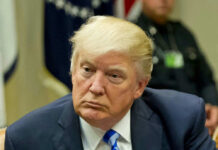
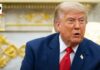
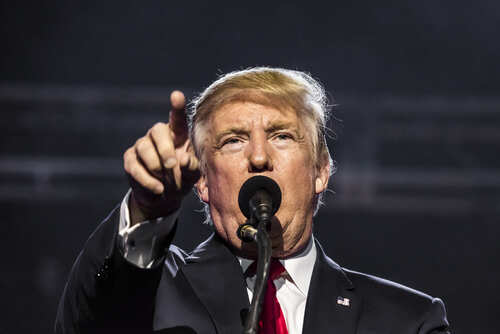
September 23, 2025, New York City, Donald Trump’s meeting with Ukrainian President Volodymyr Zelenskyy at the United Nations General Assembly became the flashpoint for a new chapter in transatlantic security. When pressed by a reporter, Trump declared without hesitation that NATO countries should shoot down Russian jets violating their airspace. For years, Russian incursions over NATO borders, Romania, Estonia, Poland, have been met with intercepts and warnings, but never direct military action. Trump’s stance, delivered on the world’s biggest diplomatic stage, breaks the mold and demands attention from every capital invested in European security.
Mike Waltz, U.S. Ambassador to the United Nations, wasted no time amplifying Trump’s message on Fox News, stating, “Putin, the Russians, should take the message from the president [seriously]. He’s not messing around.” Waltz’s warning, delivered the next day, carried a weight not seen in prior warnings from U.S. officials. The message: the era of restrained responses to Russian provocations may be over. Waltz referenced Trump’s national security team, including Secretary of War Pete Hegseth and Secretary of State Marco Rubio, as united in their determination to signal a new level of deterrence.
Russian Pushback and Ukrainian Hope: Responses Shape the Narrative
The Kremlin’s response was swift and critical. Dmitry Peskov, Putin’s spokesperson, rejected Trump’s characterization, stating, “We cannot agree with everything here.” Russian officials warned of consequences if NATO followed through on Trump’s suggestion, standing firm against what they saw as escalation. Yet, on the other side of the divide, Ukrainian President Zelenskyy expressed optimism, interpreting the signals from Trump and his administration as proof that America would support Ukraine “to the end of the war.” These contrasting reactions underline the shifting ground in international relations, where words can set the tone for future actions and alliances.
This exchange did more than just spark headlines, it exposed the contrasting priorities and anxieties of nations at the sharp edge of Russian military activity. NATO members bordering Russia and Ukraine found themselves in the spotlight, weighing the risks of escalation against the imperative to defend their sovereignty. Ukrainian civilians and soldiers, living daily under threat, watched closely for signs that Western support would translate into more robust protection.
Strategic Stakes: Risks, Rewards, and the Shadow of Escalation
Trump’s statement, immediately echoed by Waltz, has ramped up diplomatic tension and forced NATO air forces into heightened alert. While no Russian aircraft has been shot down, yet, the possibility now looms larger than at any time since the Cold War. Experts warn that such a policy could risk direct military confrontation, potentially undermining the painstaking diplomatic efforts that have kept outright war at bay. The defense and aerospace industries, always sensitive to global security trends, may anticipate increased demand as nations seek to bolster their air policing capabilities.
Political polarization is another consequence. In the U.S. and across Europe, debates rage about the merits of deterrence versus diplomacy, with some hailing Trump’s approach as overdue and others fearing it will provoke unnecessary escalation. Economic markets, always nervous in times of military uncertainty, could face disruption if the situation deteriorates. For the broader European public, the specter of conflict is no longer a distant possibility, but a question of “when,” not “if.”
Expert Voices and the Road Ahead: A Precarious Balance
William Taylor, former U.S. ambassador to Ukraine, describes Trump’s posture as “an acceleration of a trend”, a reflection of growing frustration with Putin and rising support for Ukraine, rather than a sudden policy reversal. Vice President JD Vance calls Trump’s stance “responsive to the reality on the ground,” echoing impatience with Russia’s negotiating tactics. Academic and diplomatic experts caution that the risks of direct conflict remain high, and that bold rhetoric must be balanced with strategic caution.
As the world watches, the question remains: will NATO and its allies truly adopt a policy of shooting down Russian aircraft, or will this episode remain a high-stakes warning shot in the ongoing struggle for European stability? One thing is certain, the old rules no longer apply, and every decision made in the coming months will shape the future of deterrence, diplomacy, and, perhaps, war.
Copyright 2025, PatriotNews.net