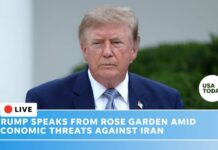
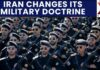
Mixed messages from Washington and Jerusalem are turning a fast-moving Iran war into a test of who really sets America’s timeline—and how much risk U.S. citizens absorb when coordination breaks down.
Quick Take
- Reports say a February 28 U.S.-Israel strike that killed Iran’s Supreme Leader Ayatollah Ali Khamenei followed a direct intel call from Israeli PM Benjamin Netanyahu to President Trump days earlier.
- U.S. officials told Axios the operation moved quickly, leaving gaps in public preparation and contributing to emergency evacuations for Americans after retaliation threats.
- President Trump has publicly signaled the campaign is ahead of schedule and nearing completion, while Israeli leaders say there is “no time limit” until objectives are met.
- The March 14 strike on Iran’s Kharg Island intensified pressure on Iran’s oil exports, while raising new concerns about energy prices and escalation.
Netanyahu’s Intel Call and a War That Started Fast
Israeli Prime Minister Benjamin Netanyahu reportedly called President Trump on February 23 with intelligence on Iran’s Supreme Leader Ayatollah Ali Khamenei’s location, a detail that became central to the chain of events leading to the February 28 opening strike of the U.S.-Israel campaign. Axios reports the CIA later validated parts of the intelligence, and that Trump had pursued diplomacy before accelerating the military track after talks appeared to fail.
That compressed timeline matters because it shaped how the operation was communicated and staffed inside the U.S. government. Axios describes U.S. officials saying parts of the national security apparatus were caught off guard, with limited time to build a public case or prepare for predictable blowback. For Americans who remember years of foreign-policy “forever wars,” the key question is whether rapid execution produced a cleaner win—or preventable exposure for U.S. personnel and civilians.
Trump Signals a Shorter Campaign While Israel Pushes “No Time Limit”
President Trump’s public posture has emphasized speed and completion. Times of Israel reported Trump saying the war would end soon and that there was “practically nothing left to target,” framing the campaign as progressing faster than expected. Another report tracked Trump describing the timeline as his “own idea,” reinforcing that he intends U.S. strategy to be driven from Washington, not outsourced to any ally’s domestic politics or military preferences.
Israeli leaders have signaled a different endpoint. Times of Israel quoted Defense Minister Israel Katz saying there is “no time limit” until objectives are met, and it also reported Israeli officials discussing longer-run goals linked to Iran’s regime and internal stability. That gap—Trump talking about finishing the job quickly, Israel preparing for a longer runway—creates the “fog” described by Israeli security sources about duration and end-state, especially if the campaign shifts from strikes to political outcomes.
Kharg Island Strike Raises the Energy and Escalation Stakes
On March 14, Trump announced a strike on Kharg Island, a major node tied to Iran’s oil exports, according to a Miami-based outlet tracking his remarks and timeline claims. Hitting energy infrastructure can tighten economic pressure on Tehran, but it also tends to ripple into global markets. The research summary notes concerns about energy-price spikes tied to such disruptions, a pocketbook issue that hits U.S. families hard after years of inflation and fiscal strain.
That economic angle intersects with national security. When the U.S. targets strategically significant sites, Iran and its proxies can look for asymmetric ways to respond. The reporting summarized here points to evacuation activity involving more than 1,500 Americans after retaliation risks rose. If the objective is to protect American lives while achieving deterrence, the administration’s challenge is to keep operations decisive without creating open-ended exposure across the region.
Coordination Gaps Put Accountability Back on Washington
Axios’ account highlights the political and operational downside of moving too quickly: officials said the rush reduced time for interagency synchronization and for preparing Americans in harm’s way. That type of process failure matters to constitutional-minded voters who expect clarity on who authorized what, and under what constraints, when U.S. forces and civilians could face retaliation. Limited government doesn’t mean weak defense; it means accountable decision-making and clear chains of responsibility.
Trump struggles to distance himself from Israel over strike on Iran gasfield https://t.co/3TEUgHACOm
— Financial Times (@FT) March 19, 2026
At the same time, the reports also show Trump publicly asserting U.S. control over the war’s pacing. If Washington and Jerusalem disagree on duration, Trump’s insistence on an American-defined timeline is a reminder that alliances should serve U.S. interests first. The available reporting does not settle every operational detail or casualty claim, and some figures are described in broad terms. What is clear is the strategic tension: end fast to avoid a quagmire, or push longer to chase bigger political outcomes.
Sources:
Trump-Netanyahu call: Inside the U.S.-Israel coordination behind the Iran war
Trump: War to end soon, ‘practically nothing left to target’; Israel: ‘No time limit’
Trump says he has ‘own idea’ on Iran war timeline