(PatriotNews.net) –President Trump’s sudden pause of a U.S. naval escort mission in the Strait of Hormuz shows how quickly America’s energy lifeline can hinge on fragile diplomacy.
Quick Take
- President Trump paused “Project Freedom” just two days after launching the U.S. effort to guide commercial ships through the Strait of Hormuz.
- The White House framed the pause as tied to “great progress” in U.S.-Iran negotiations, with Pakistan requesting the stop as a mediator.
- Only two U.S.-flagged vessels reportedly completed transits before the pause, while more than 1,500 ships were said to be stranded or delayed.
- U.S. officials said the operation was defensive and that a ceasefire was still holding, even as the U.S. maintained pressure including a blockade on Iranian ports.
Why the Strait of Hormuz still matters to every American paycheck
The Strait of Hormuz is a narrow maritime chokepoint between Iran and Oman that carries roughly one-fifth of global oil shipments, which means disruptions can ripple into fuel prices, shipping costs, and broader inflation. The latest flare-up followed reports that Iran had disrupted traffic and left more than 1,500 vessels waiting. U.S. leaders described the threat environment as including mines and harassment at sea, forcing a response aimed at keeping trade moving.
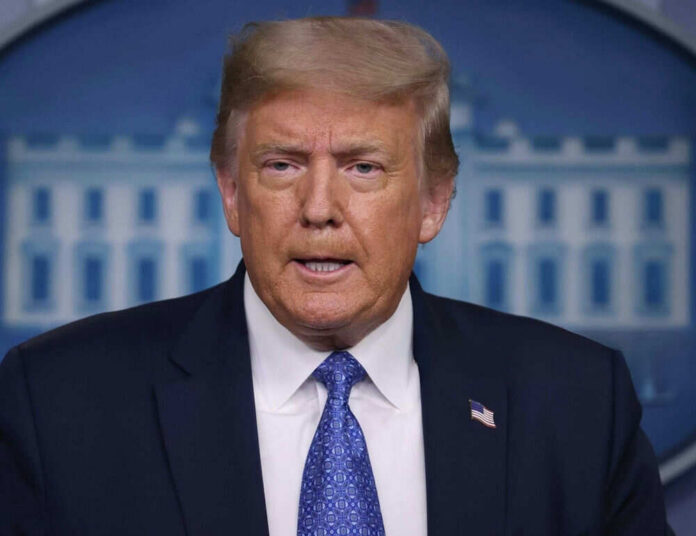
President Trump announced “Project Freedom” late Sunday, May 3, and the operation began the next day with U.S. forces working to clear a safer route, including mine threats. By early May 5, two U.S.-flagged ships had reportedly moved through successfully. Hours later, Trump said the mission would pause for a short period, describing “great progress” toward a “complete and final agreement” with Iran and citing a request from Pakistan, which has been acting as an intermediary.
What the pause signals about Trump’s leverage strategy
The pause looks less like a full retreat than a bargaining move that keeps multiple pressure points intact. U.S. officials indicated the broader posture has not been abandoned: the U.S. blockade on Iranian ports remained, and senior leaders continued to characterize the escort effort as defensive rather than escalatory. Secretary of Defense Pete Hegseth publicly emphasized the ceasefire was not over, while Secretary of State Marco Rubio said the earlier “Epic Fury” phase had ended.
Diplomatically, the key question is what “progress” actually means in concrete terms. Reporting referenced a draft memorandum of understanding that could involve reopening the strait and some form of pause on Iranian enrichment activity, but sources described it as far short of a comprehensive peace deal. That distinction matters for Americans who have grown wary of open-ended commitments: limited agreements can lower immediate risk, but they can also leave core disputes unresolved and prone to re-ignition.
The operational reality: navies don’t decide when commerce “feels safe”
Retired Navy Adm. Robert Murrett raised a practical constraint that often gets lost in political debates: escorting or guiding traffic at the scale of 1,500 ships is a logistical stretch even for the U.S. military. Murrett also argued that, in the real world, shipping companies and insurers determine when lanes are truly “open,” because their risk models set premiums and routing decisions. That dynamic can limit the impact of military announcements, whether hawkish or conciliatory.
What to watch next as markets and voters test the government’s credibility
The immediate stakes are economic and political. If shipping backlogs persist, delays can cascade into higher consumer costs and renewed volatility in energy markets. If the U.S.-Iran channel produces a narrow deal, it could cool tensions without requiring a wider regional commitment, aligning with voters who want strength without endless war. However, reporting also included claims of at least 10 crew deaths before the operation—details not consistently confirmed across outlets—highlighting how incomplete information can complicate accountability.
For Americans already convinced that Washington moves too slowly on kitchen-table priorities but too quickly in crisis management, the Hormuz episode is another stress test. The Trump administration is trying to balance deterrence and dealmaking while keeping trade flowing through a chokepoint that can punish working families at the gas pump. The next signal to watch is not only what officials announce, but whether insurers and ship operators judge the route safe enough to restore normal traffic.
Sources:
Trump pauses U.S. mission to guide ships through Strait of Hormuz ‘Project Freedom’
Fox News Live: Trump-Iran Project Freedom Strait Hormuz May 5
Copyright 2026, PatriotNews.net