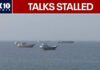
A U.S. Air Force B-2 stealth bomber just proved it can kill warships with a stealth missile during a Pacific live-fire drill.
Story Highlights
- Pacific Air Forces said a B-2 launched a Long Range Anti-Ship Missile during Valiant Shield 2026.
- Allied forces hit the decommissioned USS Juneau before it sank in the Philippine Sea.
- This marks the first public confirmation that the B-2 can strike ships at sea.
- The event signals a broader push to deny hostile navies space across the Pacific.
B-2 Debut: Stealth Bomber Fires Long Range Anti-Ship Missile
Pacific Air Forces said a B-2 Spirit launched an AGM-158C Long Range Anti-Ship Missile during Valiant Shield 2026. The live-fire sinking drill took place in the Philippine Sea on June 27, with the target set more than 200 nautical miles from the Mariana Islands. The missile strike marked the first time the Air Force publicly confirmed the B-2’s ship-killing role, adding a new mission to an aircraft known for deep strikes against land targets.
Stars and Stripes reported that American and allied forces poured fire on the decommissioned USS Juneau before it sank about 200 miles from Guam. A Japan Maritime Self-Defense Force submarine delivered the final torpedo hit, but the B-2’s missile shot stood out as the key new capability on display. The drill showed how air, sea, and undersea forces can combine firepower to smash a single ship target during wartime conditions.
Why This Capability Matters in the Pacific
U.S. and partner militaries often use sinking exercises to test weapons and send a signal to rivals. This event fit that pattern and added a sharper edge. A stealth bomber that can slip past defenses and shoot from long range gives commanders another way to hold hostile fleets at risk. That creates more doubt for any navy planning to mass ships near key sea lanes or around allied islands and bases across the Western Pacific.
Public confirmation also changes the map for planners. A B-2 carrying multiple ship-killing missiles can threaten large areas without a carrier on station. That matters when bases and runways are at risk and the fleet is stretched thin. It also aligns with the push for flexible, joint strikes that link aircraft, ships, submarines, and patrol planes into one kill chain, cutting the time from finding a threat to sinking it.
How Valiant Shield Showed Multi-Domain Lethality
U.S. Pacific Command described a coordinated attack that drew in air, surface, and undersea forces against the cleaned and decommissioned USS Juneau. The sequence echoed recent exercises where each service plays a role, from finding and tracking to targeting and firing. The approach spreads risk, adds options, and forces an enemy to defend from many angles at once, which drains magazines and opens gaps for follow-on strikes.
DECODED: AMERICA JUST TURNED THE B-2 INTO A SHIP KILLER
The B-2 Spirit was built to penetrate enemy air defenses and destroy heavily protected targets on land.
It can now hunt warships.
On June 27, 2026, a B-2 launched an AGM-158C Long-Range Anti-Ship Missile during Exercise… pic.twitter.com/RxWDqn18i0
— Decode Conflict (@DecodeConflict) August 27, 2026
USNI News noted allied aircraft launched anti-ship weapons during the same sink event, reinforcing how partners add reach and volume to the fight. More shooters mean more missiles in the air and more pressure on ship defenses. When a stealth bomber joins that mix, the defense problem gets harder. The message is simple: if a hostile fleet pushes in, it will be seen, fixed, and hit from several directions at long range.
What It Signals for U.S. Strategy and Taxpayers
This demonstration suggests the Pentagon is moving faster to turn high-end planes into multi-mission tools. Supporters will see a needed step to deter war and protect trade routes. Critics will ask about cost, mission creep, and whether the system will work at scale in a real fight. Both views share a core concern: Washington must deliver real capability, not just press releases, and show that every dollar buys safety and strength for the public.
Sources:
el-balad.com, pacom.mil, 19fortyfive.com, yahoo.com
© patriotnews.net 2026. All rights reserved.