
Israeli soldiers detained New York congressional nominee Brad Lander and roughly 80 to 90 volunteers for hours during a West Bank olive harvest, then released him with a warning that picking olives alongside Palestinian farmers was “unlawful and inappropriate.”
Story Snapshot
- Brad Lander, the Democratic nominee for New York’s 10th Congressional District, was detained by Israeli forces near Bethlehem on October 21, 2026.
- About 80 to 90 rabbis, volunteers, and activists were harvesting olives with Palestinian farmers for roughly two hours before troops arrived.
- Israeli forces declared the area a closed military zone and detained the group despite reports that volunteers agreed to leave.
- Lander says he was held about three hours and released with a warning that his actions were unlawful and caused a public disruption.
- The incident fits a wider pattern of rising tension and restrictions during West Bank olive harvests.
Olive Harvest Interrupted By Troops
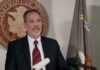
Brad Lander wrote on social media that he had been “detained by the IDF, along with a group of rabbis & volunteers,” adding that the group “were simply harvesting olives in a grove” in the West Bank. The activity took place near farmland outside Bethlehem, where Palestinian landowners had reportedly been unable to access their own trees for three years before the volunteer trip.
Soldiers Detain Dozens, Including a Former Comptroller
Rabbis for Human Rights said about 80 volunteers joined Palestinian farmers for roughly two hours of picking before large numbers of Israeli troops arrived and sealed off the area. Anton Goodman, the group’s acting executive director, said the mission intended to help farmers reach land they had been shut out of for years, calling the harvest peaceful until soldiers closed the site and began detaining people.
Military officials told the group the grove sat inside a closed military zone. Activists said they agreed to leave once given that order but were detained anyway and taken to a police station for processing. Reports describe nearly 90 people swept up in the detention, a group size that points to a broad sweep rather than action targeting one individual.
Warning Delivered After Three Hours
Lander told The New York Times he was held for about three hours before release. Soldiers warned him that his conduct was “unlawful and inappropriate,” claimed the group caused a public disruption, and said participants entered areas they should not have. Lander pushed back on that framing, saying picking olives is not a crime under any law he knows, though the exact military rules governing the area were not detailed in his account.
Israeli authorities did not immediately respond to requests for comment after the detentions became public, leaving activist and participant accounts as the main source of detail on what happened. That silence means the official rationale for closing the field and holding the group has not yet been laid out in public records.
Political Attention On a Land Dispute
Coverage of the detention repeatedly notes that Lander is the Democratic nominee for a New York congressional seat and previously served as New York City comptroller, a detail that has pulled the story into the realm of American campaign politics. That framing risks overshadowing the underlying dispute over who gets to farm contested land in the West Bank and under what rules soldiers may block that access.
Part of a Larger Pattern in the West Bank
Olive harvest season has become a recurring flashpoint. The United Nations reported that in a two-week stretch in October 2026, five Palestinians were killed and more than 240 injured in Israeli forces or settler attacks across the West Bank, with 160 olive harvest-related attacks causing casualties or property damage during the same period. Access restrictions and settler violence have left large stretches of Palestinian-owned olive groves unharvested in recent seasons.
Likely incoming NY-10 congressman Brad Lander calls into Breaking Points after being released from Israeli military custody following his detention while harvesting olives alongside Palestinian farmers in the occupied West Bank.@ryangrim | @emilyjashinsky | @bradlander pic.twitter.com/hMdMv5MDGW
— Drop Site (@DropSiteNews) October 21, 2026
The Lander detention adds a high-profile American face to a dispute that has mostly played out away from U.S. headlines. Whether viewed as a security measure or an obstacle to lawful farming, the episode highlights how little public accounting exists for decisions made in closed military zones, a gap that leaves both the farmers and the volunteers who joined them without clear answers.
Sources:
foxnews.com, npr.org, jpost.com, bloomberg.com, nbcnews.com, miamiherald.com, yahoo.com, x.com
© patriotnews.net 2026. All rights reserved.