
(PatriotNews.net) – Nigeria’s most controversial ex-president, Muhammadu Buhari, has died in a London clinic at 82, leaving behind a legacy that, depending on whom you ask, either saved the country or set it back decades.
At a Glance
- Former Nigerian president Muhammadu Buhari dies at 82 in a London hospital after an undisclosed illness.
- Buhari’s death reignites debate over his decades-long impact on Nigeria’s politics, economy, and security.
- His passing highlights the chronic failures of Nigeria’s healthcare system, forcing elites to seek treatment abroad.
- Reactions from the Nigerian government, political parties, and the public underscore the deep divisions over his legacy.
Buhari Dead at 82: A Chapter Closes on Controversial Nigerian Leader
Muhammadu Buhari, Nigeria’s twice-serving leader and a major figure in the country’s post-independence history, died July 13, 2025, in London. He was 82. The news, confirmed by official Nigerian sources, comes after weeks of speculation about his health while hospitalized overseas. For a nation used to political drama, the death of Buhari, who once ruled by decree as a military strongman before returning as an elected president, marks the end of an era defined by both iron-fisted discipline and persistent dysfunction.
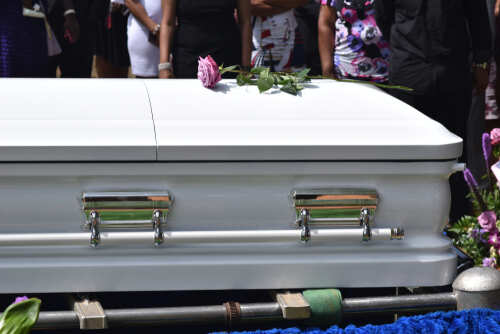
Buhari’s body will be flown back to Nigeria for Muslim funeral rites, accompanied by Vice-President Kashim Shettima, as ordered by current President Bola Tinubu. Tinubu praised his predecessor’s “enduring and significant” legacy, a diplomatic nod to a man whose rule was as divisive as it was impactful. National mourning is underway, but so is a wave of reflection and debate about what Buhari really left behind for the continent’s largest democracy.
From Coup Leader to Elected President: The Buhari Paradox
Buhari first appeared on Nigeria’s national stage not through the ballot box, but by overthrowing the government in 1983. His military regime cracked down on corruption and dissent with equal fervor, jailing politicians, journalists, and activists. But his “War Against Indiscipline” was as infamous for its excesses as its intentions. Ousted in another coup just two years later, Buhari didn’t disappear, he rebranded, swapping fatigues for civilian dress and running for president multiple times before finally winning in 2015. His victory marked the first time an incumbent Nigerian president was defeated at the polls, a historic moment for a country plagued by political instability.
Buhari’s two-term presidency (2015–2023) was built on promises to root out corruption, defeat Boko Haram, and revive Nigeria’s moribund economy. While his supporters laud him as incorruptible and disciplined, critics point to persistent insecurity, economic stagnation, and accusations of nepotism and human rights abuses. The north of Nigeria, Buhari’s political base, sees him as a champion; much of the south remains deeply skeptical. Whatever the verdict, no one can deny his singular influence across both military and civilian spheres.
The Irony of Healthcare Failure: Elites Die Abroad, Citizens Suffer at Home
One detail in Buhari’s story stands out like a sore thumb: he died in a foreign hospital, just as he received much of his medical care during his presidency. That fact isn’t lost on Nigerians, many of whom can’t even access basic healthcare at home. Buhari’s repeated trips overseas for treatment became a national sore spot, a symbol of the country’s persistent failure to build a healthcare system worthy of its population or its leadership. His death on foreign soil, like that of President Yar’Adua before him, has reignited the debate over why Nigeria’s leaders never seem to trust the very institutions they preside over.
Public reaction has been predictably split. Supporters mourn the loss of a “modest, austere leader” who fought to keep the nation together. Detractors see his passing as the close of a chapter in which hope for reform too often gave way to disappointment and decline. The debate isn’t just about Buhari, it’s about the fate of Nigeria itself, a country still searching for leadership that matches its potential.
Legacy Wars: What Buhari Leaves Behind
Buhari’s death has triggered a fresh round of soul-searching within Nigeria’s political class. His party, the All Progressives Congress (APC), is scrambling to leverage his legacy while managing internal divisions. President Tinubu faces the daunting task of uniting a country that remains sharply divided along regional and religious lines. Meanwhile, the military, still influenced by Buhari-era doctrine, must adjust to an age without its most famous alumnus.
For ordinary Nigerians, the question isn’t just what Buhari accomplished, but why the country’s leaders have failed for generations to deliver on basic promises: security, prosperity, and dignity. Buhari’s rule, both as general and president, is a case study in the limits of strongman politics and the dangers of unfulfilled expectations. Whether Nigeria will finally break the cycle remains to be seen, but if there’s one thing Buhari’s passing makes clear, it’s that the nation’s future depends on learning from its past, not repeating it.
Copyright 2025, PatriotNews.net