
(PatriotNews.net) – A war that began with Hamas’s barbaric 7 October attack has become a global legal brawl over the word “genocide” – and the way that word is being weaponized should alarm every American who still believes in clear laws, honest language, and national sovereignty.
Story Snapshot
- The Gaza war has sparked fierce disputes over whether Israel’s campaign is “genocide” or a harsh, tragic fight against a terrorist army hiding among civilians.
- The International Court of Justice has found only a “plausible risk” of genocide and ordered provisional measures, but has not ruled that genocide is occurring.
- UN agencies and NGOs highlight mass civilian suffering, while Israel and its allies say operations target Hamas, not Palestinians as a people.
- The battle over the genocide label has huge implications for Western security policy, international law, and how future US actions are judged.
How a Terrorist Massacre Sparked a War and a Legal Firestorm
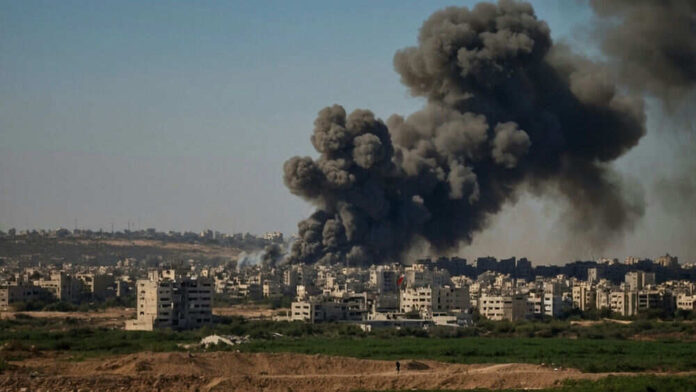
On 7 October 2023, Hamas and allied Palestinian factions burst across the Gaza barrier, killed around 1,200 people in Israel, mostly civilians, and dragged roughly 240 to 251 hostages back into Gaza. Israel’s government declared war, launched massive airstrikes, and then a ground invasion aimed at destroying Hamas’s military and governing capacity. As fighting escalated, civilian casualties in Gaza climbed into the tens of thousands, and outside observers began arguing over whether Israel’s response crossed the line into genocide.
Very quickly, the legal battlefield shifted from southern Israel to The Hague. South Africa and other states accused Israel at the International Court of Justice of violating the 1948 Genocide Convention through its Gaza campaign. The ICJ examined early evidence and concluded that at least some genocide-related rights claimed by Palestinians in Gaza were “plausible,” and that there was a real risk of irreparable harm, so it ordered provisional measures designed to prevent genocidal acts and improve humanitarian access.
What Genocide Means in Law – and Why the ICJ Hasn’t Said It Is Happening
Under the Genocide Convention, genocide requires not just large-scale killing, but a demonstrable intent to destroy, in whole or in part, a national, ethnic, racial, or religious group. Legal analysts note that this threshold is much higher than moral outrage or political rhetoric. In Gaza, the ICJ so far has not ruled that genocide is occurring; it has only said there is a plausible risk and that all parties, especially Israel as the state wielding organized military power, must ensure they do not commit genocidal acts while operations continue.
Humanitarian organizations, UN rapporteurs, and some genocide scholars counter that the pattern of bombing, siege tactics, attacks on health facilities, and incendiary statements from some Israeli officials collectively suggests genocidal intent or something very close. They point to reports of more than 70,000 Palestinians killed, hundreds of thousands wounded, and widespread destruction of housing, clinics, and utilities. Israel and its Western backers insist those numbers come from Hamas-linked bodies, argue that Hamas uses civilians as human shields, and maintain that the campaign targets a terrorist group, not Palestinians as such.
From Gaza to Washington: Why the Genocide Debate Matters to US Conservatives
For American conservatives, the Gaza genocide fight is not only about Israel; it is about whether international courts and activist NGOs will gain a precedent to second-guess US and allied military campaigns. If the ICJ stretches the definition of intent or accepts casualty counts without rigorous vetting, future US operations against cartels, terror networks, or regimes threatening Americans could be branded “genocide” by adversaries seeking to handcuff Washington. That risk sits uneasily with core conservative priorities of national defense and sovereign decision-making.
At the same time, the Gaza debate highlights real concerns about transparency and mission clarity. Many on the right support Israel’s right to self-defense but also expect allied governments to define achievable objectives, protect civilians where possible, and avoid open-ended wars that drain resources and fuel global instability. The Biden administration’s earlier mixed messaging and delays over red lines in the conflict deepened mistrust, reinforcing the sense that globalist institutions and weak Western leadership too often let chaos spread, then blame those who finally act forcefully.
Unanswered Questions, Double Standards, and the Path Ahead
Two years into the war, key questions remain unresolved. The ICJ has not issued a final merits ruling; the International Criminal Court prosecutor has sought arrest warrants for leaders on both sides for war crimes and crimes against humanity, but not genocide. UN agencies continue to warn of famine, displacement, and the collapse of Gaza’s health system, while rockets, tunnel warfare, and hostage issues persist. No durable ceasefire or political settlement has emerged, and regional tensions with groups like Hezbollah periodically flare.
For ordinary Americans watching from afar, this contested use of “genocide” feeds broader frustration: international bodies ignored or downplayed clear genocides in places like Rwanda and now deploy the label amid a chaotic war launched by a recognized terrorist attack. Going forward, conservatives will watch closely whether courts apply the Genocide Convention consistently and cautiously, or turn it into another political weapon that undermines allies, rewards bad actors, and erodes the ability of constitutional nations to defend their people and values.
Sources:
Timeline: Bearing witness to genocide in Gaza
Israel-Hamas war: A timeline of events in the year since 7 October
Israeli-Palestinian Conflict Timeline
Copyright 2026, PatriotNews.net