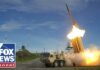
A U.S. watchdog says the Iran war has emptied key missile stocks and damaged American bases and aircraft, exposing supply-chain weak spots that will take years to fix.
Story Highlights
- The Defense Department inspector general’s first Iran war review reports munitions shortfalls and supply bottlenecks.
- The report offers the first public look at damage to U.S. aircraft, bases, and diplomatic sites in the region.
- Pentagon officials have put direct war costs near $29 billion so far, not counting full rebuild needs.
- Independent tallies and studies say the industrial base cannot quickly refill advanced interceptor and missile stocks.
Watchdog Flags Shortfalls And Damage
The Defense Department’s inspector general released its first accounting of the Iran war’s impact. The report says the conflict caused a shortfall of U.S. munitions and created supply chain “bottlenecks.” It also gives the first public look at damaged U.S. aircraft, bases, and diplomatic posts in the Middle East. The inspector general says the Pentagon is changing buying plans and trying to cut production lead times to restock weapons more quickly.
The Associated Press and other outlets report that the watchdog’s review confirms advanced weapons shortfalls across several systems. The document outlines hits to infrastructure at U.S. sites in the region and damage to aircraft used in ongoing operations. The release fills gaps in public data about losses and repairs since the war began. Officials acknowledge the strain on readiness while they try to protect forward bases and rotate units under fire.
Costs Mount While Readiness Gets Tested
A senior Pentagon official said in May that the war has cost the United States about $29 billion so far. That figure reflects operating costs, expended munitions, and maintenance tied to the fight. The price tag does not capture the full bill to replace damaged aircraft, rebuild hardened facilities, and refill high-end missile stocks. Defense leaders face pressure to show how they will cover both near-term needs and future plans.
Separate tracking has tried to quantify hardware losses as the war drags on. A congressional analysis cited by veterans media counted at least 42 U.S. aircraft lost or damaged during the campaign. The number reflects a mix of combat losses and accidents under wartime stress. Each airframe lost reduces the pool for training and operations. Replacing advanced aircraft is slow and expensive, which compounds the readiness squeeze.
Why The Bins Are Running Low
Experts and recent studies say this drawdown exposes long-running limits of the U.S. munitions industrial base. A Center for Strategic and International Studies analysis found that production timelines for many key missiles still span years, not months. The study warned that interceptors and precision weapons depleted in the Iran war will take years to replace at current output, even with new funding and contracts in place.
These limits have roots in decades of peacetime planning and industry consolidation. Past decisions favored lean production and low inventories. That approach saves money until a high-intensity war demands a surge. When many suppliers sit abroad, or specialized parts have long lead times, lines cannot ramp fast. That is how a regional fight can drain air defense interceptors and other smart weapons faster than factories can refill them.
What It Means For Americans
For service members, thin missile stocks can raise risk at forward bases if attacks outpace resupply. For taxpayers, every interceptor fired and jet repaired adds to a bill that crowds out other needs. For both conservatives and liberals, the pattern fits a familiar worry: Washington talks about strength yet overlooks the basics of production and logistics. The watchdog report shows that poor planning by leaders across years leaves troops to manage the gap in real time.
What To Watch Next
Congress and the Pentagon will push emergency buys and multi-year deals to grow output. The key test is whether contractors can add shifts, expand plants, and secure raw materials fast enough. Watch for data on Patriot and Terminal High Altitude Area Defense interceptor deliveries, precision missile lots, and repairs at hit bases. Clear schedules, not slogans, will tell Americans if the system can meet demand before the next crisis calls.
Sources:
military.com, kvia.com, aljazeera.com, apnews.com, govinfo.gov, mapshock.com
© patriotnews.net 2026. All rights reserved.