
(PatriotNews.net) – In a striking legal showdown, the Trump administration’s denial of ICE arrest quotas faces judicial scrutiny, raising questions about immigration enforcement in Southern California.
Story Overview
- The Trump administration denies ICE quotas in a Ninth Circuit Court filing.
- The Ninth Circuit Court upholds limits on ICE operations in Southern California.
- Legal battles focus on Fourth Amendment rights against unreasonable searches.
- The case highlights the tension between federal and judicial authority over immigration.
ICE Quotas: A Contested Reality
The Trump administration’s assertion that ICE agents lack arrest quotas stirred significant legal discourse. Amidst allegations of racial profiling and warrantless raids, the administration found itself defending ICE’s practices in the Ninth Circuit Court. The court, upholding a restraining order on ICE operations in Southern California, reinforced the need for specific probable cause over generalized suspicions. This decision carries weight as it directly challenges the administration’s immigration enforcement strategies.
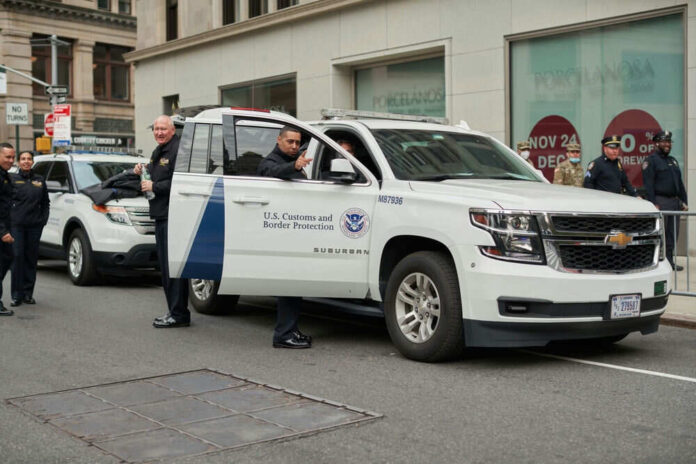
ICE, a pivotal agency under the Department of Homeland Security, has been embroiled in controversies over its enforcement tactics. The agency’s activities in immigrant-rich Southern California have drawn particular attention, with accusations of targeting based on ethnicity and language. The judicial intervention now places ICE’s operational protocols under a microscope, demanding adherence to constitutional protections and raising the stakes for future enforcement actions.
The Judicial Intervention
The Ninth Circuit Court’s decision to uphold the restraining order underscores the judiciary’s role in safeguarding civil liberties. U.S. District Judge Maame Ewusi-Mensah Frimpong initially halted certain ICE operations, citing Fourth Amendment concerns. The appellate court’s affirmation emphasizes that ICE must rely on specific probable cause, not arbitrary criteria. This ruling sets a significant precedent, potentially influencing immigration enforcement nationwide and challenging the administration’s broader policy objectives.
Local governments, particularly in immigrant-heavy areas like Los Angeles, have supported the restraining order. Mayor Karen Bass hailed the decision as a triumph for the rule of law, aligning local interests with judicial mandates. This alignment reflects the complex power dynamics between federal authorities and local entities, each navigating the contentious terrain of immigration enforcement and civil rights.
Implications and Reactions
The ramifications of the court’s decision are profound, both in the short and long term. In the immediate future, ICE operations face stringent constraints, mandating higher standards for probable cause. This could lead to a reduction in workplace raids and a lessening of fear among immigrant communities. Over the long haul, the case may shape judicial oversight of immigration practices, driving policy adjustments and influencing future litigation.
Reactions to the ruling are polarized. Civil rights groups, like the ACLU, view it as a necessary check on discriminatory practices, while the Trump administration criticizes it as an overreach of judicial authority. This legal and political tug-of-war underscores the broader national debate on immigration policy, federal authority, and civil liberties, with implications resonating far beyond Southern California.
Copyright 2025, PatriotNews.net