(PatriotNews.net) – When bullets fly because of gang disputes, it doesn’t stop and pause and say this isn’t a rival gang member.
Story Highlights
- Gang violence in Latin America and the Caribbean is at historic highs, with civilians disproportionately affected.
- State responses are constrained by limited capacity and funding, while international support remains insufficient.
- Indiscriminate gang violence results in widespread collateral damage.
- Efforts to address violence are hampered by political instability and corruption.
Understanding the Crisis
Gang violence in Latin America and the Caribbean has reached unprecedented levels, particularly in countries like Guatemala and Haiti. The indiscriminate nature of gang warfare means civilians often find themselves in the line of fire. Gang disputes, mostly over control of drug markets and territories, have resulted in numerous civilian casualties, highlighting the urgent need for effective interventions. These regions have become hotbeds of violence, with weak state presence and limited law enforcement capacity exacerbating the crisis.
Haiti and Guatemala are prime examples of how political instability and weak governance contribute to the escalation of gang violence. In Haiti, the assassination of President Jovenel Moïse in 2021 sparked a surge in violence, with gangs expanding their control in urban and rural areas alike. Meanwhile, Guatemala grapples with gang violence rooted in the legacy of civil war and poverty, as transnational gangs such as Mara Salvatrucha (MS-13) and 18th Street vie for dominance.
State and International Responses
Governments in these regions face significant challenges in curbing the violence. Despite the surge in homicides, Guatemalan President Bernardo Arévalo resists emergency security measures, focusing instead on dismantling corruption and trafficking networks. In Haiti, the humanitarian crisis deepens as over 1,500 were killed between April and June 2025 alone. International organizations like the United Nations have called for increased support and strict adherence to human rights in anti-gang operations.
The international community plays a crucial role in providing humanitarian aid and support for law enforcement, yet funding shortfalls impede effective action. The United Nations Integrated Office in Haiti (BINUH) and other agencies continue to advocate for increased resources and strategic interventions. However, the overwhelming nature of the crisis requires a multifaceted approach that addresses both immediate security concerns and long-term governance issues.
Impact on Civilians and Society
The impact of gang violence on civilians is devastating. Women and children are particularly vulnerable, with many displaced from their homes. Economic activities are disrupted as gangs extort local businesses and markets, further destabilizing already fragile economies. In rural areas, the expansion of gang territories has led to the destruction of communities and livelihoods, exacerbating social tensions and undermining trust in authorities.
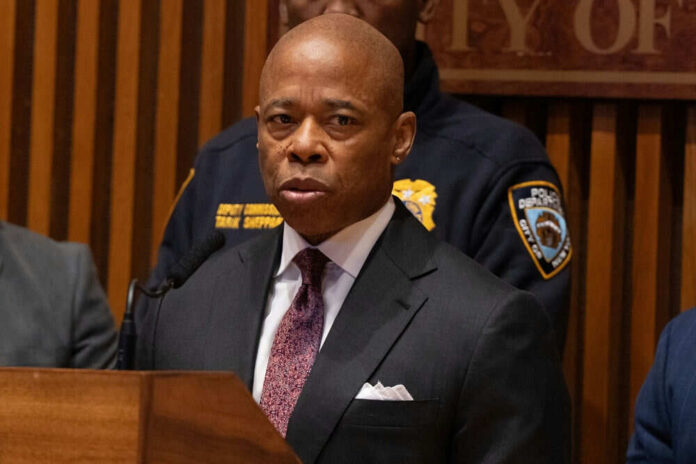
Adams to deploy 1,000 cops to the Bronx after shooting surge, plans to invite gangs to Gracie Mansion for peace talks https://t.co/OfKMFUGYbD pic.twitter.com/iu1yLlDG71
— New York Post (@nypost) August 29, 2025
The erosion of state authority and the rise of criminal governance are potential long-term consequences of unchecked gang violence. As gangs consolidate power, they increasingly act as de facto authorities in some regions, further complicating efforts to restore order. Self-defense groups have emerged in response, but their presence often leads to further violence and human rights abuses, highlighting the complexity of the situation.
Strategies for Addressing the Crisis
Experts emphasize the need for comprehensive strategies that address the root causes of gang violence. Strengthening governance and reducing corruption are critical components of any long-term solution. Community-based approaches that engage local populations in peacebuilding and violence prevention are also essential. While some advocate for heavy-handed security measures, caution is advised to avoid exacerbating human rights violations.
International collaboration and support are vital in addressing the crisis effectively. Increased funding for humanitarian aid and law enforcement training, alongside efforts to dismantle transnational trafficking networks, can help mitigate the immediate impacts of gang violence. Ultimately, a coordinated, multifaceted approach is needed to achieve lasting peace and stability in the region.
Copyright 2025, PatriotNews.net